India diversifies oil imports to 41 countries amid West Asia conflict
Synopsis
India has quietly doubled its crude oil supplier base — from 27 to 41 countries — as the West Asia conflict shuts the Strait of Hormuz and US tariff pressure mounts over Russian oil purchases. With Russian crude now topping half of India's July imports and LNG sources tripling to 15 nations, New Delhi is running a high-wire act: securing affordable energy for 1.4 billion people while managing escalating geopolitical heat from Washington.
Key Takeaways
India has expanded its crude oil supplier base from 27 to 41 countries following the West Asia conflict and closure of the Strait of Hormuz .
Russian crude accounted for more than half of India's total oil imports in July .
LNG supplier nations have grown from 6 to 15 , with the United States now a major contributor.
India imports more than 85 per cent of its crude oil requirement, making diversification a strategic necessity.
The US Senate has passed legislation enabling tariffs of up to 100 per cent on top buyers of Russian oil, including India.
India-US bilateral trade talks are ongoing, with the tariff question forming a key element of negotiations.
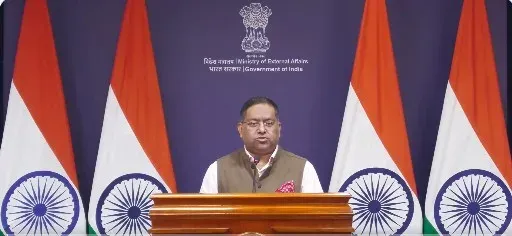
India is actively securing its energy needs through a significantly expanded network of supplier nations, the Ministry of External Affairs (MEA) said on Tuesday, 11 August, citing supply chain disruptions caused by the ongoing West Asia conflict. The government's approach, officials stressed, is anchored in meeting the energy demands of 1.4 billion people through source diversification rather than dependence on any single country or transit route.
What the Government Said
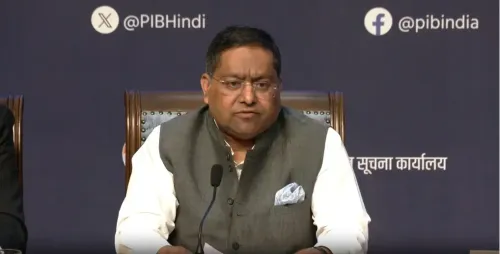
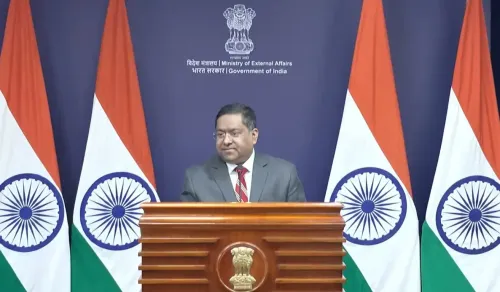
MEA spokesperson Randhir Jaiswal told journalists that energy security remains the cornerstone of India's foreign policy calculus. “Our energy security, what it is predicated on, is meeting our national priorities, which is securing the needs of our 1.4 billion people,” he said. “This remains the cornerstone of our energy security approach. And this is what we want to achieve through diversified sources. We want to source our energy through diversified sources.”
On the question of US tariffs linked to Russian oil purchases, Jaiswal noted that “talks are ongoing between the United States and India on a bilateral trade agreement.”
Scale of Diversification
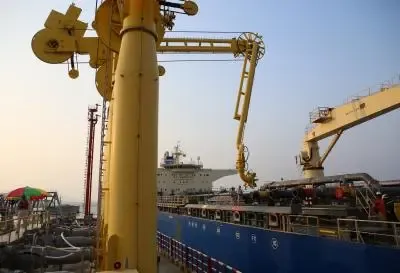
India has expanded its crude oil supplier base from 27 countries to 41 countries following the outbreak of the Iran war and the closure of the Strait of Hormuz — a critical chokepoint through which 20 per cent of the world's oil and gas exports transit under normal conditions. Imports of Russian crude have surged sharply; in July, Russia accounted for more than half of India's total oil imports.
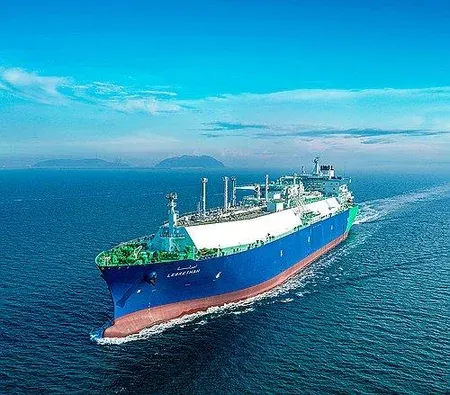
India has simultaneously widened its liquefied natural gas (LNG) supplier base from 6 countries to 15 countries, with the United States now contributing a major share of those LNG volumes.
Why It Matters
India imports more than 85 per cent of its crude oil requirement, making supply chain resilience a strategic imperative rather than a policy preference. The closure of the Strait of Hormuz has added acute pressure to a global energy market already made volatile by the Russia-Ukraine war and related Western sanctions.
Minister of State for Petroleum and Natural Gas Suresh Gopi told Parliament on Monday: “This diversification has reduced dependence on any particular country, region or transit route and enhanced India's ability to manage supply disruptions and market volatility.”
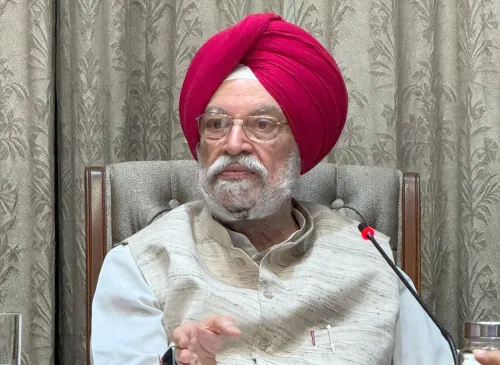
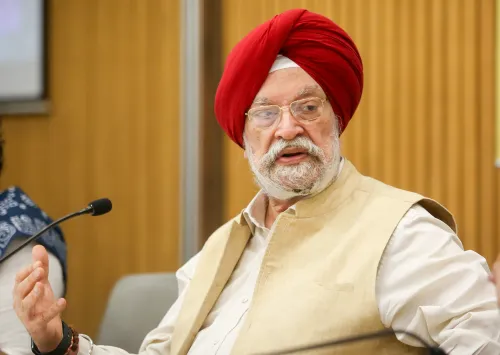
Union Petroleum Minister Hardeep Singh Puri added that risks to energy supplies are regularly monitored and global market conditions assessed in coordination with public-sector oil and gas companies and other stakeholders.
The US Tariff Pressure
The MEA's statement comes against the backdrop of the US Senate passing legislation granting President Donald Trump authority to levy tariffs of up to 100 per cent on goods exported by top buyers of Russian oil — a list that includes India. Western nations contend that Indian purchases of Russian crude help finance Moscow's war in Ukraine. New Delhi has not publicly committed to reducing Russian oil imports, instead pointing to its diversification strategy as evidence of responsible energy management.
What Comes Next
Bilateral trade talks between India and the United States are ongoing, and the outcome of those negotiations is expected to shape how New Delhi navigates the tariff threat without compromising energy affordability. With global energy markets remaining volatile, India's multi-source strategy is likely to be tested further as geopolitical fault lines deepen.
Point of View
Which means the diversification story is partly about adding optionality at the margins while the core dependence on a sanctioned supplier deepens. Washington's 100 per cent tariff threat is not a bluff; it is legislative, and bilateral trade talks will struggle to neutralise it unless India demonstrably trims Russian volumes. The real test of this strategy is not how many supplier flags India can count, but whether it can reduce the Russia share without passing an affordability shock to domestic consumers who benefit from discounted crude.
NationPress
26 Sept 2026
Frequently Asked Questions
Why is India diversifying its oil import sources?
India is diversifying its crude oil sources to ensure energy security for its 1.4 billion people amid supply chain disruptions caused by the West Asia conflict and the closure of the Strait of Hormuz. The country imports more than 85 per cent of its crude requirement, making resilience against sudden supply shocks a strategic priority.
How many countries does India now import crude oil from?
India currently imports crude oil from 41 countries, up from 27 earlier, following the outbreak of the Iran war and disruptions to the Strait of Hormuz transit route. Similarly, LNG imports have been diversified from 6 to 15 supplier nations.
How much Russian oil is India importing?
Russian crude accounted for more than half of India's total oil imports in July, according to government data. Western nations argue these purchases help finance Russia's war in Ukraine, and the US Senate has passed legislation enabling tariffs of up to 100 per cent on top Russian oil buyers, including India.
What is India's position on US tariff threats over Russian oil?
MEA spokesperson Randhir Jaiswal said that talks are ongoing between India and the United States on a bilateral trade agreement. New Delhi has not committed to cutting Russian oil purchases, instead pointing to its broader diversification strategy as evidence of responsible energy management.
What is the significance of the Strait of Hormuz closure for India?
The Strait of Hormuz normally carries 20 per cent of the world's oil and gas exports. Its closure following the Iran war has forced India and other importers to reroute supply chains and expand their supplier networks, contributing directly to India's decision to widen its crude oil sourcing to 41 countries.