India ready to handle crude oil volatility, says Hardeep Puri
Synopsis
With West Asia on edge and roughly 20 per cent of India's crude routed through the Strait of Hormuz, Petroleum Minister Hardeep Singh Puri says India has the diversification and the ₹90,000 crore Samudra Manthan programme to weather the storm — but quietly left the door open to a policy revisit if prices spike sharply.
Key Takeaways
Petroleum Minister Hardeep Singh Puri on 10 June said India is well-prepared to manage global crude oil volatility amid West Asia tensions.
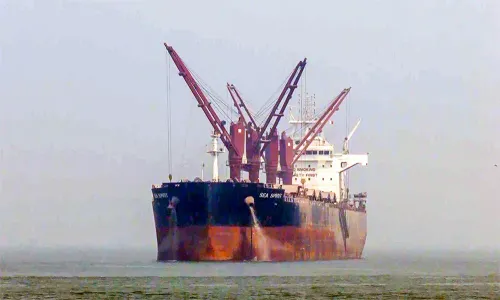
About 20 per cent of India's crude imports and 7 per cent of its LPG supplies pass through the Strait of Hormuz .
The government's Samudra Manthan initiative has earmarked ₹90,000 crore for new well drilling and domestic energy production.
Petrol prices in Delhi remain below levels of four years ago, attributed to central excise duty cuts in November 2021 and May 2022 .
Tighter Pradhan Mantri Ujjwala Yojana LPG eligibility was introduced to prevent diversion of subsidised cylinders for commercial use.
Puri cautioned that a sharp rise in international prices would require the government's approach to be 'revisited.'
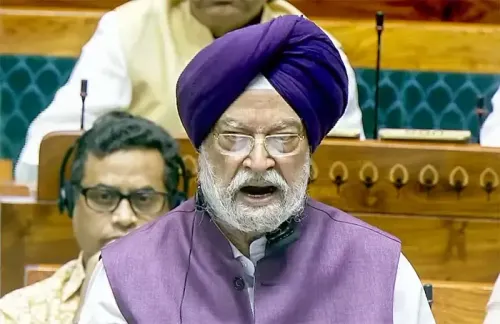
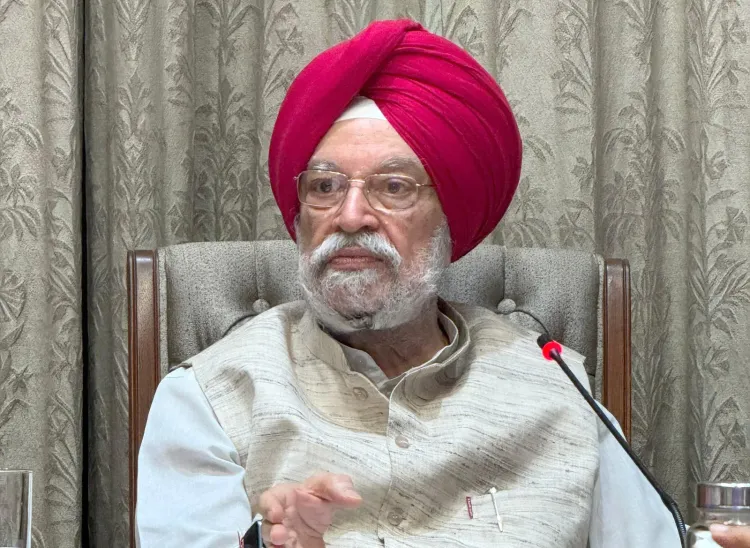
Union Petroleum and Natural Gas Minister Hardeep Singh Puri on Wednesday, 10 June said India is well-prepared to manage any volatility in global crude oil markets, even as tensions in West Asia continue to escalate. Puri asserted that the country's energy security remains robust, backed by diversified supply sources and a steady push toward self-reliance.
Managing the Volatility
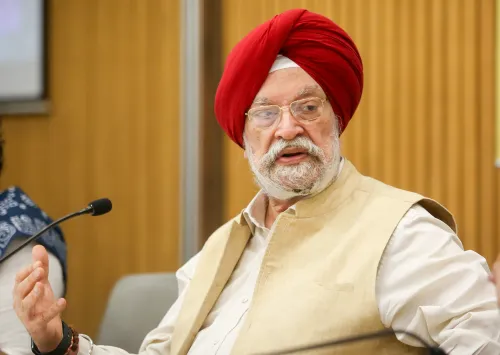
Puri said the government has successfully navigated fluctuations in global oil markets over the past several months and will continue to monitor the situation closely. He framed the government's approach as a rolling strategy rather than a one-time fix.
'Our constant effort has been, and will continue to be, to manage the situation in the same way we have managed it over the last 100 days. We will try to handle the next 30 or 60 days in the same manner. But if the international situation changes and prices rise sharply, then the issue will have to be revisited,' the minister said.
Hormuz Exposure and Supply Diversification
On concerns about supply disruptions, Puri noted that approximately 7 per cent of India's LPG supplies and nearly 20 per cent of its crude oil imports are routed through the Strait of Hormuz. He said India is better positioned today than in the past to absorb potential shocks from that chokepoint, given the diversification of its import basket.
Puri declined to speculate on whether the ongoing ceasefire dynamics could evolve into a broader Iran-US agreement or tip into further escalation, saying different reports point in different directions.
Push Toward Energy Self-Reliance
The minister highlighted significant progress on the domestic energy front, pointing to advances in ethanol blending, renewable energy adoption, and expanding exploration and production activities. He said biofuel blending has risen and solar capacity is growing, collectively moving India toward greater energy independence.
Puri also referred to the government's Samudra Manthan initiative, under which ₹90,000 crore has been earmarked for drilling new wells and strengthening domestic energy production capabilities.
Fuel Prices and Excise Cuts
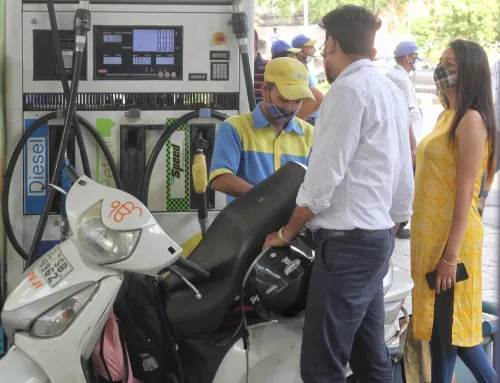
On retail fuel prices, Puri said petrol prices in Delhi remain lower than levels seen four years ago, despite recent international crude volatility. He attributed this to successive reductions in central excise duties on petrol and diesel — in November 2021, May 2022, and subsequent rounds — as well as VAT cuts by several Bharatiya Janata Party (BJP)-ruled states.
Ujjwala Scheme Eligibility Revision
Addressing concerns over the tightening of subsidised LPG cylinder eligibility under the Pradhan Mantri Ujjwala Yojana, Puri said the move was driven by credible inputs indicating that some beneficiaries were diverting subsidised cylinders for commercial use or reselling them. The government reassessed the entitlement structure to plug such leakages.
'The government's priority remains ensuring affordable energy access while improving efficiency and preventing leakages in welfare schemes,' he added. With West Asia tensions showing no clear sign of resolution, how India calibrates its energy strategy over the next two months will be a key test of the resilience Puri has projected.
Point of View
Solar scale-up, and the Samudra Manthan outlay are genuine buffers. But the minister's own caveat — that a sharp price spike would force a policy revisit — exposes the ceiling of that preparedness. India's 20 per cent Hormuz dependency is not a number that diversification alone can quickly move. The Ujjwala eligibility tightening, framed as anti-leakage, also carries political risk in an election-sensitive environment where LPG affordability is a kitchen-table issue. The real test is not whether India can absorb a short-term shock, but whether the domestic production push can materially reduce import dependence before the next West Asia crisis.
NationPress
26 Oct 2026
Frequently Asked Questions
What did Petroleum Minister Hardeep Puri say about India's crude oil preparedness?
Puri said on 10 June that India is well-prepared to manage crude oil market volatility amid escalating West Asia tensions, citing diversified supply sources and ongoing domestic energy initiatives. He added that if international prices rise sharply, the government's approach would need to be revisited.
How much of India's crude oil passes through the Strait of Hormuz?
According to Puri, nearly 20 per cent of India's crude oil imports and around 7 per cent of its LPG supplies are routed through the Strait of Hormuz. The minister said India is better positioned than before to handle potential disruptions at this chokepoint.
What is the Samudra Manthan initiative?
Samudra Manthan is a government programme under which ₹90,000 crore has been earmarked for drilling new oil and gas wells and strengthening India's domestic energy production capabilities. It is a central pillar of the government's push toward energy self-reliance.
Why were petrol prices in Delhi lower than four years ago despite crude volatility?
Puri attributed lower Delhi petrol prices to successive central excise duty cuts on petrol and diesel — in November 2021, May 2022, and subsequent rounds — along with VAT reductions by several BJP-ruled states. These cuts have offset a portion of the rise in international crude prices.
Why has the government tightened LPG eligibility under Pradhan Mantri Ujjwala Yojana?
The government received credible inputs that some beneficiaries were diverting subsidised LPG cylinders for commercial use or reselling them to others, prompting a reassessment of the entitlement structure. Puri said the priority remains affordable energy access while plugging leakages in welfare delivery.