Jaishankar's Gulf tour: Energy security tops agenda amid West Asia tensions
Synopsis
With US-Iran strikes threatening the Strait of Hormuz — a corridor carrying roughly 20% of global oil trade — EAM Jaishankar's back-to-back meetings with four Gulf leaderships were less a routine diplomatic tour and more an emergency energy audit. India's structural dependence on Gulf crude makes this the most consequential Gulf visit in recent memory.
Key Takeaways
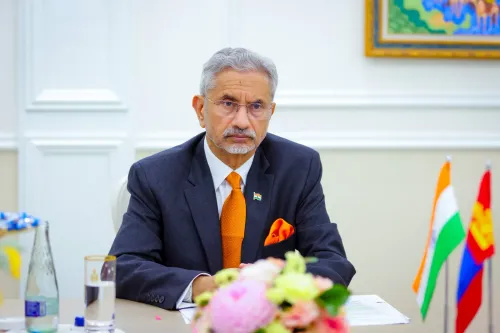
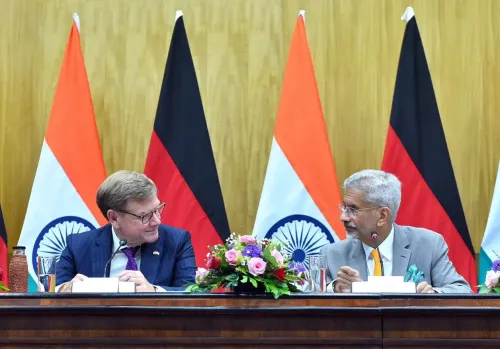
EAM S Jaishankar visited Qatar , Kuwait , Bahrain , and Oman from 5–10 July , with energy security a central theme.
The MEA confirmed on 14 July that energy, trade, and investment were discussed with counterparts in all four countries.
Fresh US-Iran military exchanges on Sunday followed Tehran's attack on a vessel in the Strait of Hormuz , raising global energy supply concerns.
In Qatar , Jaishankar commended Doha's mediation role in ongoing US-Iran negotiations.
In Oman , India expressed appreciation for prompt assistance to Indian seafarers amid regional developments.
The Strait of Hormuz carries a significant share of India's crude oil and LNG imports, making Gulf stability a direct national interest.
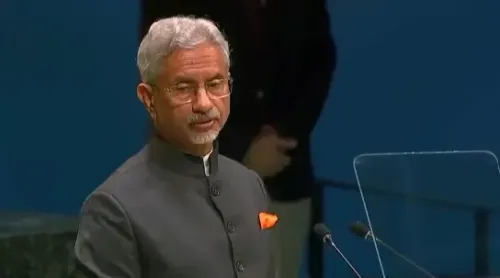
External Affairs Minister S Jaishankar's four-nation tour of the Gulf region — covering Qatar, Kuwait, Bahrain, and Oman from 5–10 July — placed energy security at the centre of diplomatic conversations, the Ministry of External Affairs (MEA) confirmed on Tuesday, 14 July. The visit came against a backdrop of fresh military exchanges between the United States and Iran, raising global alarm over the security of critical energy corridors.
What Was Discussed
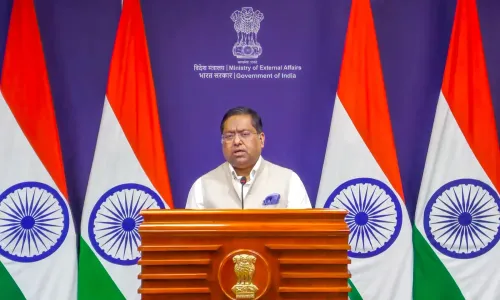
Addressing the weekly media briefing in New Delhi, MEA spokesperson Randhir Jaiswal said Jaishankar held 'extensive discussions with the leadership, including at the highest level' in each of the four countries. 'Energy was an important part of the conversation and also they discussed the developments that are happening in West Asia and shared their perspectives on this particular issue,' Jaiswal said. Trade and investment also featured prominently across all bilateral meetings.
When specifically asked whether alternative energy supply routes were explored, Jaiswal confirmed that energy security formed a substantive part of the engagements, though he did not elaborate on specific route proposals discussed.
Why the Timing Matters
The diplomatic outreach coincided with a sharp escalation in the West Asia conflict. The US and Iran exchanged fresh military strikes on Sunday following Tehran's attack on a vessel transiting the Strait of Hormuz — one of the world's most critical energy corridors, linking the Persian Gulf with the Gulf of Oman and the Arabian Sea. The strait carries oil and liquefied natural gas exports from major Gulf producers to international markets, including India and other Asian economies. Any sustained disruption there would directly threaten India's energy import chain.
Country-by-Country Highlights
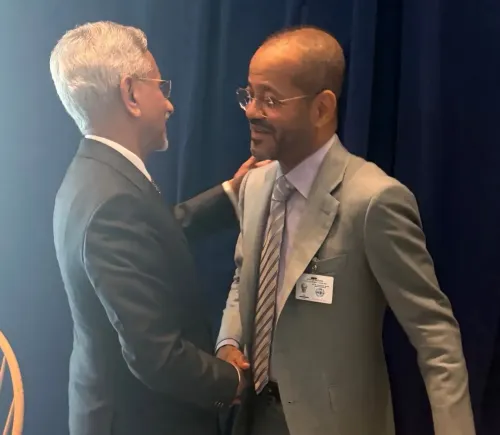
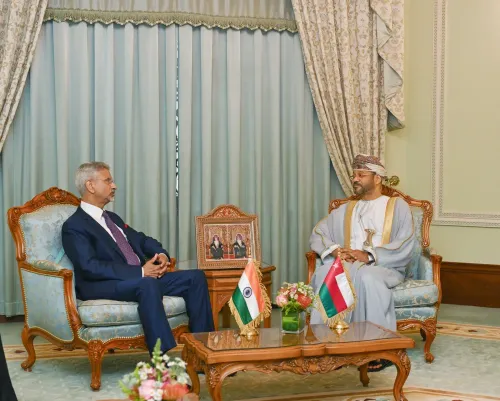
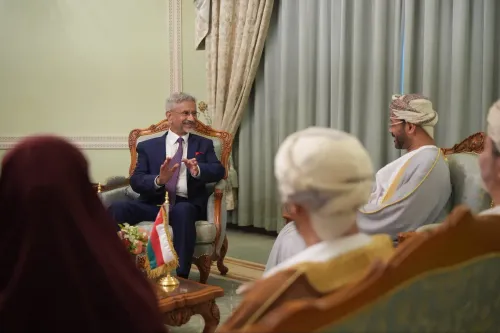
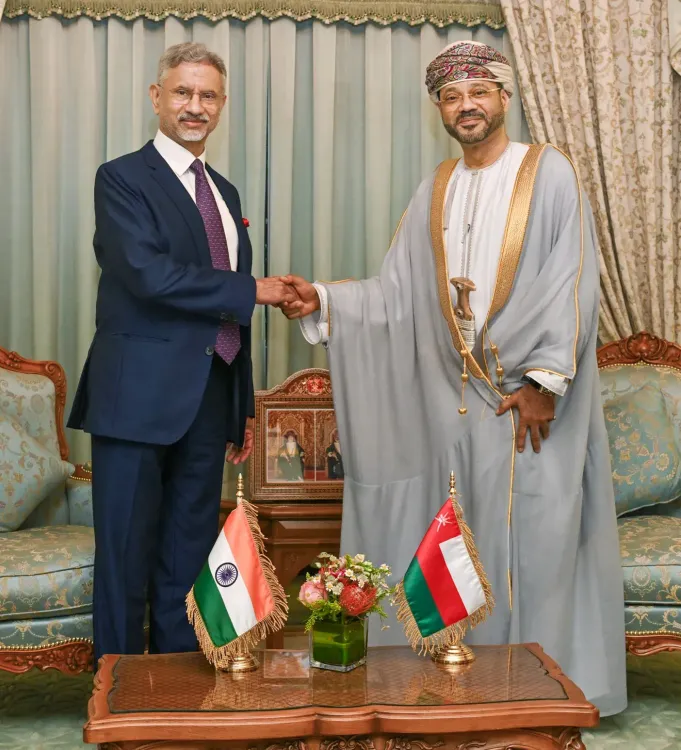
In Oman, Jaishankar met Foreign Minister Sayyid Badr Albusaidi, reviewing the full spectrum of the India-Oman Strategic Partnership. He also expressed India's appreciation for Oman's prompt assistance extended to Indian seafarers amid the recent regional developments — a pointed acknowledgement of the maritime risk environment.
In Kuwait, Jaishankar called on Crown Prince Sheikh Sabah Al-Khaled Al-Hamad Al-Mubarak Al-Sabah and Prime Minister Sheikh Ahmad Abdullah Al-Ahmad Al-Sabah, in addition to meetings with Kuwait's Defence and Foreign Ministers. The discussions reviewed the India-Kuwait Strategic Partnership and covered regional and global issues of mutual interest.
During a two-day visit to Bahrain from 6–7 July, Jaishankar had an audience with King Hamad bin Isa Al Khalifa, in the presence of Crown Prince and Prime Minister Prince Salman bin Hamad Al Khalifa. He also called on Deputy Prime Minister Shaikh Khalid bin Abdullah Al Khalifa, conveying greetings from President Droupadi Murmu and Prime Minister Narendra Modi, and thanked Bahrain's leadership for ensuring the safety and well-being of the Indian community there.
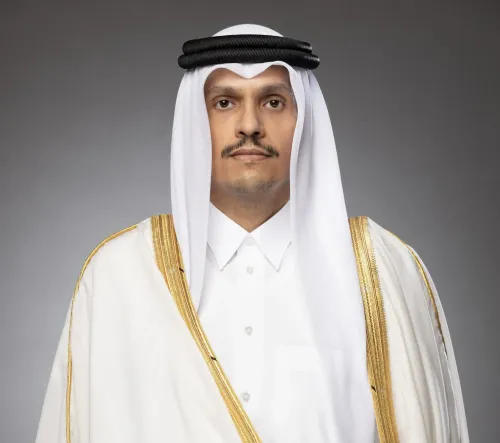
In Qatar, Jaishankar met Foreign Minister Sheikh Mohammed bin Abdulrahman Al Thani, with discussions focused on energy, trade, investments, and people-to-people ties. Notably, Jaishankar commended Qatar's mediation role in the ongoing US-Iran negotiations — a signal of India's diplomatic stake in a de-escalated Gulf.
India's Energy Exposure
India is among the world's largest importers of crude oil and liquefied natural gas, with a significant share sourced from Gulf producers. The Strait of Hormuz is not a route India can easily bypass; roughly 20% of global oil trade transits through it. This structural dependence makes Gulf diplomacy — and the security of these sea lanes — a core national interest, not merely a foreign policy courtesy call.
What Comes Next
With the US-Iran standoff showing no clear diplomatic off-ramp, India's engagement with Gulf partners is likely to intensify. New Delhi will be watching closely for any further disruption to Hormuz transit and whether Qatar's mediation efforts can restore a ceasefire framework. India's position — maintaining ties with both Washington and Tehran while deepening Gulf partnerships — will face continued stress-testing in the weeks ahead.
Point of View
But the timing strips away that veneer. With US-Iran exchanges threatening the Strait of Hormuz and no credible ceasefire in sight, India is quietly stress-testing its energy import chain — and the meetings with Gulf monarchs are as much contingency planning as they are bilateral courtesy. What is missing from the MEA's carefully hedged readout is any clarity on whether alternative supply routes or emergency procurement arrangements were actually put on the table. India's Gulf diplomacy has historically been strong on symbolism and thin on operational detail; the real test is whether these conversations produce concrete buffers before the next Hormuz flashpoint arrives.
NationPress
13 Oct 2026
Frequently Asked Questions
What did EAM Jaishankar discuss during his Gulf visit?
EAM S Jaishankar discussed trade, energy, and investment with counterparts in Qatar, Kuwait, Bahrain, and Oman during his visit from 5–10 July. The MEA confirmed that energy security was a particularly important part of conversations across all four countries, set against the backdrop of escalating US-Iran tensions in the region.
Why is the Strait of Hormuz significant for India?
The Strait of Hormuz links the Persian Gulf with the Gulf of Oman and the Arabian Sea, and is one of the world's most critical energy corridors. A significant share of India's crude oil and liquefied natural gas imports transit through it, making any disruption there a direct threat to India's energy supply chain.
What triggered fresh concerns over West Asia energy supplies?
The US and Iran exchanged fresh military strikes on Sunday after Tehran attacked a vessel transiting the Strait of Hormuz, further clouding prospects for a diplomatic resolution. This escalation raised global concerns over the security of oil and gas exports from major Gulf producers.
Which leaders did Jaishankar meet during the Gulf tour?
Jaishankar met the leadership of all four countries at the highest level, including Bahrain's King Hamad bin Isa Al Khalifa, Kuwait's Crown Prince and Prime Minister, Oman's Foreign Minister Sayyid Badr Albusaidi, and Qatar's Foreign Minister Sheikh Mohammed bin Abdulrahman Al Thani, among other senior officials.
What was India's position on Qatar's mediation role in US-Iran talks?
EAM Jaishankar commended Qatar's mediation role in the ongoing US-Iran negotiations during his meeting with Qatari Foreign Minister Sheikh Mohammed bin Abdulrahman Al Thani. This signals India's diplomatic interest in a negotiated de-escalation that would stabilise the Gulf energy corridor.