India 'deeply concerned' over West Asia tensions, urges restraint amid US-Iran strikes
Synopsis
As US forces struck Iranian targets and Trump declared the ceasefire 'over', India moved swiftly to issue a formal warning about risks to regional peace and energy flows. With Brent crude spiking 6.52% and the Strait of Hormuz under threat, New Delhi's call for restraint carries sharp economic self-interest — India is among the world's largest buyers of West Asian oil.
Key Takeaways
India's MEA on 8 July said it is 'deeply concerned' over attacks on commercial shipping in West Asia and called for immediate de-escalation.
US President Donald Trump declared the US-Iran ceasefire effectively over after fresh American military strikes on Iranian targets.
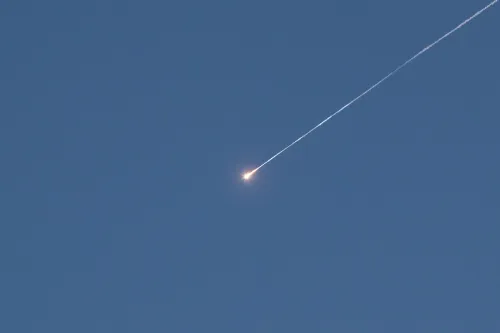
Trump warned of further strikes and a possible naval blockade on Iran; US Defence Secretary Pete Hegseth confirmed strikes on Iranian military assets near the Strait of Hormuz .
Brent crude surged 6.52% to near $80 a barrel ; WTI advanced more than 6% to around $75 a barrel .
India urged all parties to protect civilians , ensure uninterrupted energy supplies , and return to dialogue and diplomacy .
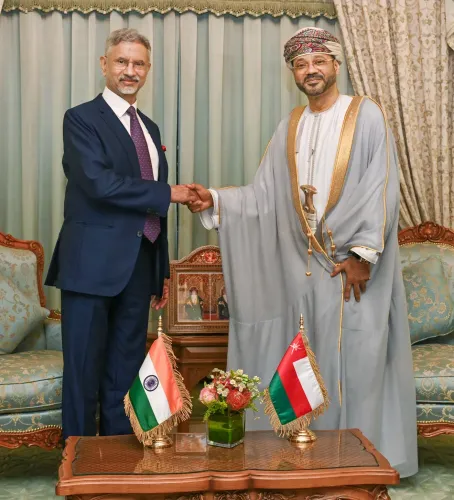
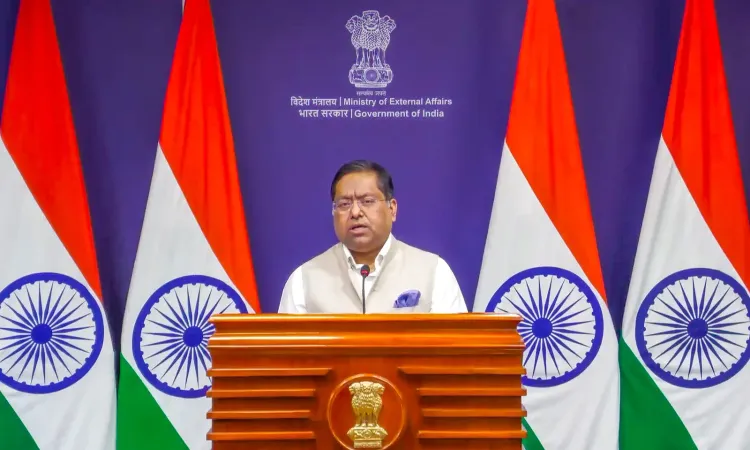
India on Wednesday, 8 July expressed being 'deeply concerned' over the escalating conflict in West Asia, as fresh attacks on commercial shipping in international waterways — including the Strait of Hormuz — and renewed US military strikes on Iran pushed global crude oil prices sharply higher. The Ministry of External Affairs (MEA) issued a formal statement calling on all parties to exercise restraint and return to dialogue.
India's Official Position
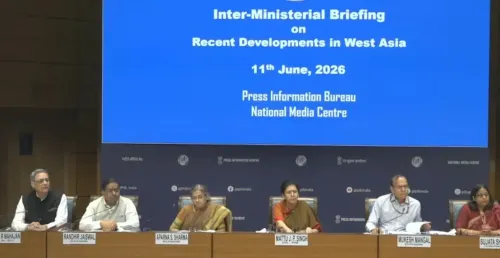
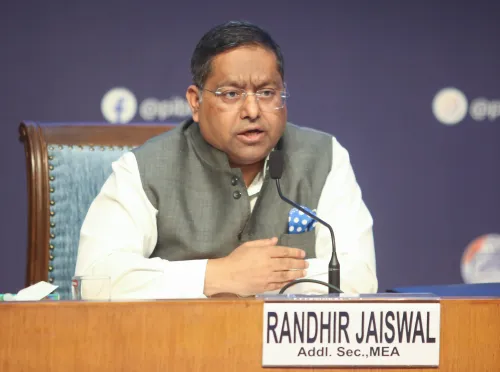
MEA spokesperson Randhir Jaiswal released a statement late Wednesday, saying: 'India is deeply concerned over the recent attacks and escalation of tensions in West Asia, which have followed fresh targeting of commercial shipping transiting international waterways in the region. These developments risk undermining regional peace, security and stability.'
The statement further urged: 'India calls upon all parties to exercise restraint, de-escalate tensions, and ensure protection of civilians as well as the uninterrupted flow of energy supplies and commerce. We urge the parties to return to dialogue and diplomacy to achieve a peaceful and lasting solution to the conflict.'
US-Iran Hostilities Intensify
US President Donald Trump on Wednesday declared that the ceasefire between Washington and Tehran was effectively over, following a fresh round of American military strikes on Iranian targets. Speaking on the sidelines of the NATO summit in Ankara — during separate appearances with NATO Secretary General Mark Rutte and Ukrainian President Volodymyr Zelensky — Trump defended the strikes, accused Tehran of violating a pause agreed during funeral ceremonies, and warned of further action.
'They said to us, please don't kill us during the funeral. I said I won't. We didn't,' Trump said, before adding: 'They started shooting rockets at ships yesterday. So we hit them very hard last night, very hard. I would say 20 to one, 20 times tougher. And I told them, every time you hit, we hit.'
Trump also warned of a potential reimposition of a naval blockade on Iran and suggested that negotiations over Tehran's nuclear programme were no longer worth pursuing, though he left the door open for his envoys to continue talks.
Targeting of Kharg Island and Strait of Hormuz
Trump disclosed that he had instructed the US military to broaden its targeting during the latest operation, saying: 'I told the military to don't hit the pipes but hit everything else' on Kharg Island, Iran's principal oil export terminal. US Defence Secretary Pete Hegseth confirmed that US forces had targeted Iranian military assets involved in threatening commercial shipping through the Strait of Hormuz.
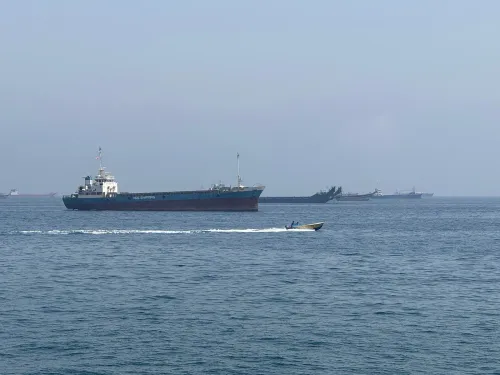
The Strait of Hormuz is a critical chokepoint through which a significant share of the world's seaborne oil passes. Any sustained disruption to shipping there carries direct consequences for global energy markets — and for major importers such as India.
Oil Markets React Sharply
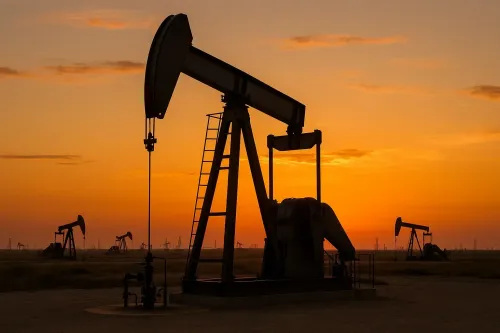
Global crude oil prices surged on the back of the escalation. International benchmark Brent crude climbed as much as 6.52%, or $4.69, to trade near $80 a barrel. US benchmark West Texas Intermediate (WTI) advanced more than 6%, or $4.85, to around $75 a barrel. The spike underscores the market's acute sensitivity to any threat to energy flows from the region.
What Comes Next
Trump warned that further strikes were likely, saying: 'We'll probably hit 'em hard tonight, I'll give 'em a little warning.' Though he repeatedly avoided giving a direct answer when asked whether this marked a return to full-scale hostilities, the diplomatic framework between the two countries appears to have effectively collapsed for now. For India — which depends heavily on West Asian energy supplies and has significant diaspora and trade links in the region — the trajectory of the conflict will be closely watched. New Delhi's call for dialogue and the protection of energy supply routes reflects both its strategic interests and its long-standing policy of non-alignment in regional conflicts.
Point of View
And any sustained disruption to Strait of Hormuz traffic translates directly into fuel prices, inflation, and the current account deficit. The omission of any direct criticism of either Washington or Tehran is deliberate: India has spent years cultivating ties with both. What the statement does not say is as telling as what it does — there is no call for a ceasefire by name, no condemnation of the US strikes, and no reference to Iran by name. That studied ambiguity is India's West Asia doctrine in miniature.
NationPress
7 Oct 2026
Frequently Asked Questions
What did India say about the West Asia conflict on 8 July?
India's Ministry of External Affairs said it is 'deeply concerned' over attacks on commercial shipping in West Asia and called on all parties to exercise restraint, de-escalate tensions, and return to dialogue. The statement also urged protection of civilians and the uninterrupted flow of energy supplies.
Why did the US strike Iran and what did Trump say?
US President Donald Trump said Iran resumed attacks on ships in the Strait of Hormuz after a temporary pause agreed during funeral proceedings, prompting fresh American military strikes on Iranian targets. Trump declared the ceasefire effectively over and warned of further strikes, including a possible naval blockade.
How did global oil prices react to the US-Iran escalation?
Brent crude surged as much as 6.52%, or $4.69, to near $80 a barrel, while US benchmark WTI advanced more than 6%, or $4.85, to around $75 a barrel. The spike reflects market anxiety over potential disruption to energy flows through the Strait of Hormuz.
What is the Strait of Hormuz and why does it matter to India?
The Strait of Hormuz is a critical maritime chokepoint through which a significant portion of the world's seaborne oil transits. India, one of the world's largest crude oil importers, relies heavily on energy supplies from West Asia, making any disruption to the strait a direct economic concern for New Delhi.
What did the US military target in Iran?
US Defence Secretary Pete Hegseth confirmed that US forces targeted Iranian military assets involved in threatening commercial shipping through the Strait of Hormuz. Trump also disclosed that he directed the military to strike targets on Kharg Island, Iran's principal oil export terminal, while sparing oil pipeline infrastructure.