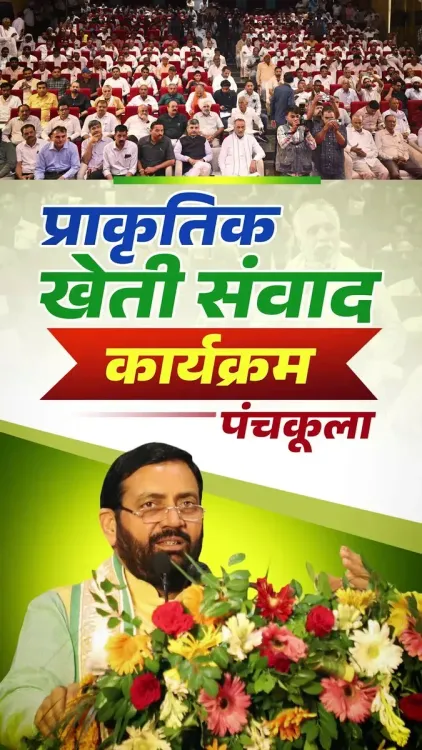
CM Saini Attends Natural Farming Dialogue in Panchkula
Synopsis
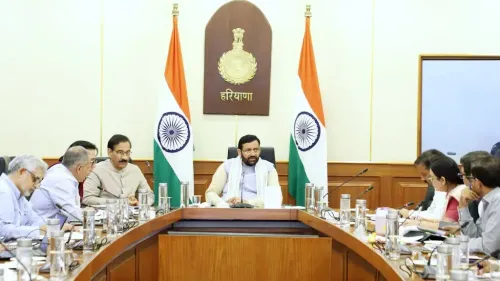
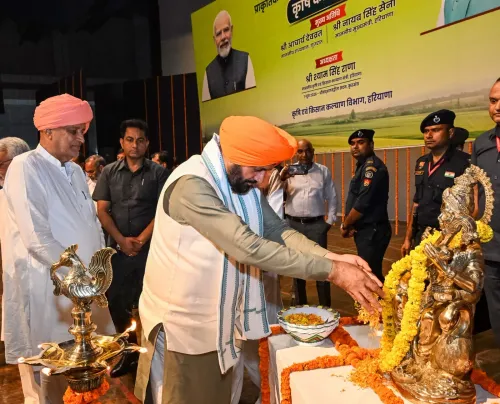
Haryana Chief Minister Nayab Singh Saini participated in the Praakritik Kheti Samvad Karyakram in Panchkula on 8 July 2026, underlining the state's push toward chemical-free farming. The event reflects Haryana's alignment with national sustainability priorities and direct farmer engagement under the BJP government.
Key Takeaways
CM Nayab Singh Saini attended the Praakritik Kheti Samvad Karyakram in Panchkula on 8 July 2026 .
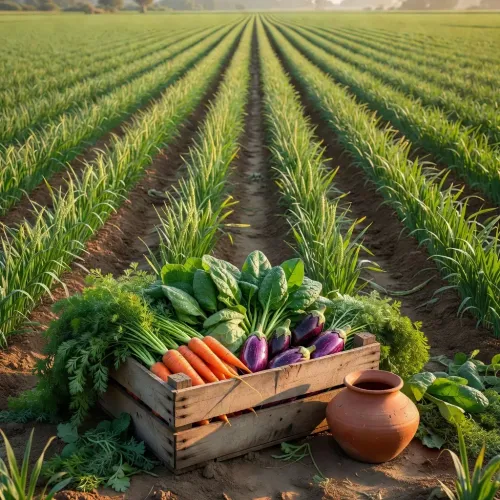
The programme focuses on natural farming — a chemical-free approach aimed at reducing input costs and regenerating soil health.
Haryana is a major grain-producing state facing soil degradation and groundwater stress, making farm practice reform a priority.
The Central government's Paramparagat Krishi Vikas Yojana (2015) provides the national policy backbone for such state-level initiatives.
CM Saini has continued farmer welfare and sustainable agriculture as governance priorities since taking office in 2024 .
Follow-up district training camps and budget allocations will determine the programme's long-term impact.
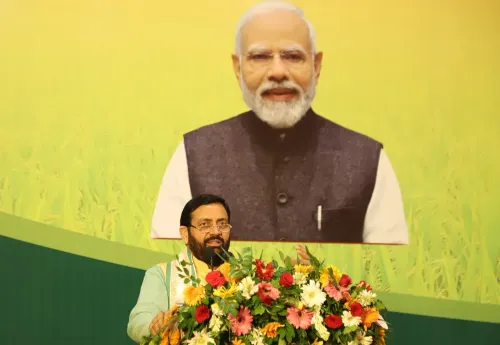
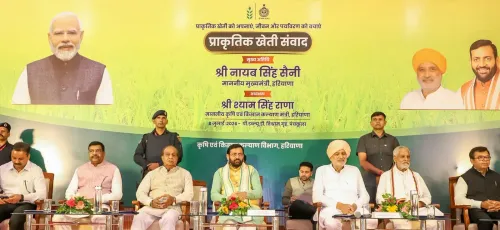
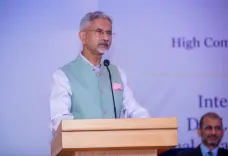
Haryana Chief Minister Nayab Singh Saini participated in the Praakritik Kheti Samvad Karyakram (Natural Farming Dialogue Programme) held in Panchkula on 8 July 2026, engaging directly with farmers on the shift toward chemical-free agriculture in the state.
Context
The event, titled Praakritik Kheti Samvad Karyakram ('Natural Farming Dialogue Programme'), brought together stakeholders in Panchkula, a district that regularly serves as the venue for state-level agricultural and administrative gatherings. CM Saini shared news of his participation on X (formerly Twitter), signalling the Haryana government's continued public engagement on farm sustainability.
Natural farming refers to a chemical-free agricultural approach that prioritises soil regeneration and sharply reduces input costs for cultivators. The method has gained traction across several Indian states as a response to soil degradation, groundwater stress, and mounting farmer debt.
Policy Backdrop
The Central government launched the Paramparagat Krishi Vikas Yojana (PKVY) in 2015 to incentivise organic and natural farming across states, providing a national policy framework that state governments have since built upon. Haryana, one of India's foremost grain-producing states, has progressively aligned its agricultural priorities with these sustainability goals under successive BJP administrations.
CM Saini took office in 2024, succeeding Manohar Lal Khattar, and has continued the state's engagement with farmer welfare and sustainable agriculture as central planks of governance. The dialogue format adopted at the Panchkula event reflects a broader state-level strategy of direct farmer outreach rather than top-down policy communication.
Stakeholders and Impact
Haryana's farming community stands at the centre of this initiative. The state's agricultural sector faces well-documented pressures: excessive chemical use has degraded soil health in several districts, while groundwater depletion — particularly in the paddy-growing belt — has intensified calls for practice reform. Natural farming, if adopted at scale, can reduce dependence on costly synthetic inputs and ease financial stress on small and marginal farmers.
Dialogue programmes of this kind also serve an awareness function, allowing extension workers and agricultural officials to address farmer doubts about yield transitions during the shift away from conventional methods. The involvement of the Chief Minister lends political weight to what are often seen as technocratic outreach exercises.
What's Next
Observers will watch for follow-up district-level training camps or pilot project announcements stemming from the Panchkula dialogue. Any dedicated budget allocations in the next Haryana agricultural policy cycle will indicate how far the state intends to institutionalise natural farming beyond awareness events. The momentum from such high-visibility engagements typically shapes the contours of upcoming state farm schemes.
Point of View
With a history of farmer agitations, makes such outreach doubly significant. The real test will be whether the Panchkula event translates into measurable policy commitments in the next budget cycle.
NationPress
7 Oct 2026
Frequently Asked Questions
What is the Praakritik Kheti Samvad Karyakram in Haryana?
The Praakritik Kheti Samvad Karyakram is a Natural Farming Dialogue Programme organised in Panchkula, Haryana, where officials and farmers discuss the transition to chemical-free agricultural practices aimed at reducing input costs and improving soil health.
What is natural farming and why is Haryana promoting it?
Natural farming is a chemical-free agricultural method that focuses on soil regeneration and lower input costs. Haryana is promoting it to address soil degradation, groundwater depletion, and farmer indebtedness that have built up from decades of conventional farming.
Who is Nayab Singh Saini and when did he become Haryana CM?
Nayab Singh Saini is a BJP leader who became Chief Minister of Haryana in 2024, succeeding Manohar Lal Khattar. He has continued the state's focus on farmer welfare and sustainable agriculture.
What is the Paramparagat Krishi Vikas Yojana?
The Paramparagat Krishi Vikas Yojana (PKVY) is a Central government scheme launched in 2015 to promote organic and natural farming across Indian states, providing financial and technical support for farmers transitioning away from chemical inputs.
What comes after the Panchkula natural farming dialogue?
Observers expect follow-up district-level training camps and pilot project announcements. Budget allocations in the next Haryana agricultural policy cycle will signal how firmly the state plans to institutionalise natural farming beyond awareness events.