Meghalaya opposes uranium mining in Domiasiat, CM Conrad Sangma tells Centre
Synopsis
Despite repeated proposals over decades, Meghalaya has never budged on uranium mining — and CM Conrad Sangma made that plain again on Wednesday. With the Khasi Students' Union flagging suspicious visits to the uranium-rich Domiasiat belt and reports of land purchases by outsiders, the political temperature around this decades-old dispute is rising once more.
Key Takeaways
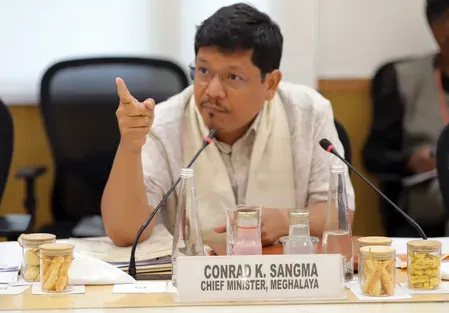
Chief Minister Conrad K.
Sangma reaffirmed on Wednesday that Meghalaya is firmly opposed to uranium mining in the state.
The state's position has been formally conveyed to the Centre on multiple occasions, with approval refused each time proposals were brought forward.
The Khasi Students' Union (KSU) alleged that individuals recently visited the Domiasiat area to persuade locals to allow uranium extraction.
The KSU also claimed affluent individuals have been purchasing land in the uranium-rich region, raising fears of a mining revival.
Sangma said he would seek detailed information on the reported visits and take 'appropriate action wherever necessary.' Uranium mining in Meghalaya has remained a politically and environmentally sensitive issue for decades , with civil society groups consistently opposing it.
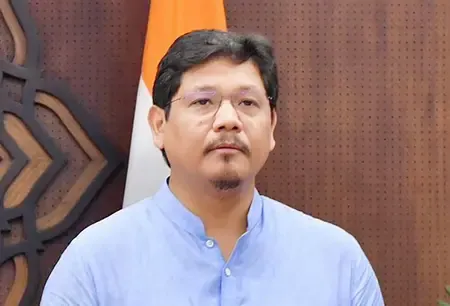
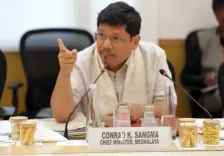
Meghalaya Chief Minister Conrad K. Sangma on Wednesday reaffirmed that the state government stands firmly against uranium mining within its borders, stating that this position has been communicated clearly to both the people of Meghalaya and the Centre. The remarks came amid fresh concerns over reported visits to the uranium-rich Domiasiat area and alleged land purchases by affluent individuals in the region.
What the Chief Minister Said
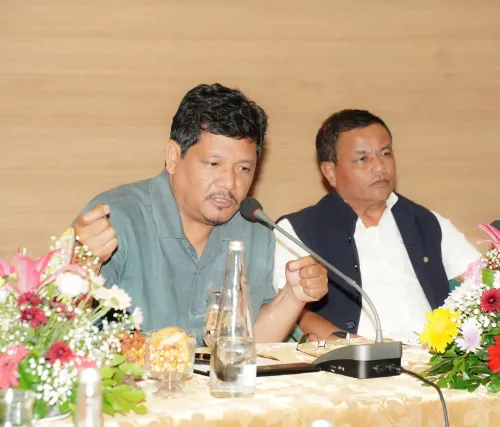
'The government's position has always been clear. We have informed both the people of Meghalaya and the Government of India that we do not support uranium mining in the state,' Sangma told reporters in Shillong. He categorically dismissed suggestions that the state had softened or reversed its stance, calling any such claim 'incorrect and misleading.'
Sangma added that the state's approach is guided by the broader interests and aspirations of its people — a principle he said also shapes the government's handling of other contentious issues, including the long-running railway debate in the state.
KSU Allegations Trigger Fresh Concern
The Khasi Students' Union (KSU) had raised the alarm, alleging that certain individuals had recently visited the Domiasiat area to persuade local residents to consent to uranium extraction. The student body further claimed that well-resourced individuals had been acquiring land in the region, stoking fears of a possible revival of mining activities.
Responding to these allegations, Sangma said he would seek detailed information on the reported visits. 'If such activities are indeed taking place, the matter should be brought to the notice of the government. We will examine the facts and take appropriate action wherever necessary,' he said.
A Decades-Old Dispute
Uranium mining proposals for Meghalaya — particularly around the Domiasiat belt — have surfaced multiple times over the decades, and on each occasion the state government has declined to grant approval. The Atomic Minerals Directorate has previously identified the area as one of India's significant uranium deposits, but sustained opposition from civil society organisations, tribal groups, and successive state governments has kept commercial extraction off the table.
The issue sits at the intersection of environmental protection, tribal land rights, and national energy security — making it one of the most politically sensitive subjects in the northeastern state.
What Happens Next
Sangma indicated that the government would investigate the KSU's specific allegations regarding visits to Domiasiat and take action if warranted. No change in the state's formal position — opposition to uranium mining — is expected in the near term, given the depth of public sentiment against it.
Point of View
But why he needed to say it again. If outsiders are indeed buying land around India's most significant uranium deposit, the Centre's silence on the matter is conspicuous. Meghalaya's opposition has held for decades, but land-title changes can shift ground realities faster than policy positions — and that is the risk no official statement has yet addressed.
NationPress
9 Jul 2026
Frequently Asked Questions
What is Meghalaya's position on uranium mining?
Meghalaya is firmly opposed to uranium mining within the state. Chief Minister Conrad K. Sangma has stated that this stance has been communicated to both the people of Meghalaya and the Central government, and the state has refused approval every time mining proposals were brought forward.
Where is the uranium deposit in Meghalaya located?
The primary uranium-rich area in Meghalaya is the Domiasiat belt, which has been identified as one of India's significant uranium deposits. It is at the centre of the current controversy following allegations of suspicious visits and land purchases in the region.
What did the Khasi Students' Union allege?
The Khasi Students' Union (KSU) alleged that certain individuals recently visited the Domiasiat area to persuade local residents to consent to uranium mining. The KSU also claimed that affluent individuals had been purchasing land in the region, raising fears of a possible revival of extraction activities.
What action will the Meghalaya government take on the KSU's allegations?
Chief Minister Sangma said he would seek detailed information on the reported visits to Domiasiat. He stated that if such activities are confirmed, the government will examine the facts and take appropriate action wherever necessary.
Why has uranium mining remained controversial in Meghalaya for decades?
The issue involves overlapping concerns around environmental protection, tribal land rights, and public health, making it deeply sensitive in the state. Civil society organisations, local groups, and successive state governments have consistently opposed commercial uranium extraction, even as the Centre has periodically revived proposals.