CM Conrad Sangma Seeks Centre's Nod to Revive Meghalaya Coal Mining
Synopsis
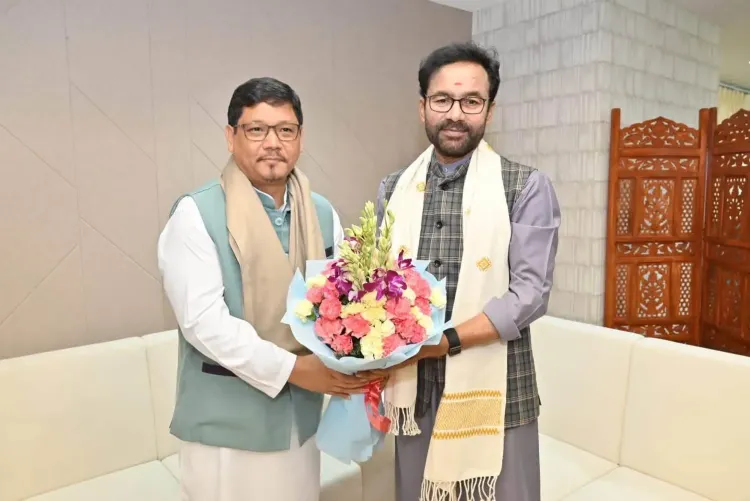
Meghalaya Chief Minister Conrad Sangma met Union Coal Minister G. Kishan Reddy in New Delhi on 7 July 2026, urging Centre to grant the state powers to revive lawful small-scale coal mining under Sixth Schedule provisions. A joint committee is to be formed to examine a regulatory framework, offering fresh hope to thousands of mining-dependent tribal families.
Key Takeaways
Conrad Sangma met Union Minister G.
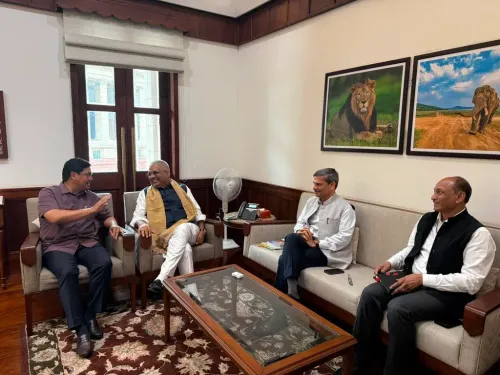
Kishan Reddy in New Delhi on 7 July 2026 to seek regulatory powers for lawful small-scale coal mining in Meghalaya.
Meghalaya is a Sixth Schedule state where land and sub-surface minerals are community-owned, creating a unique constitutional context for any mining framework.
The National Green Tribunal banned unscientific rat-hole coal mining in April 2014 , halting legal operations and pushing many families into economic hardship.
Minister Kishan Reddy agreed to constitute a joint committee with representatives from the Union ministry and the Meghalaya government to examine the matter.
CM Sangma was accompanied by Santa Mary Shylla , MLA from Sutnga Saipung in the coal-bearing East Jaintia Hills district.
The proposed framework aims to restore dignified livelihoods, strengthen safety standards, and end illegal mining simultaneously.
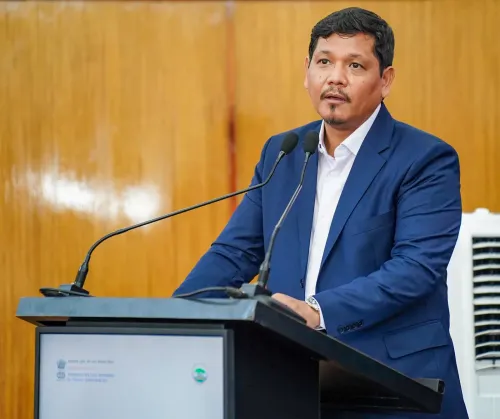
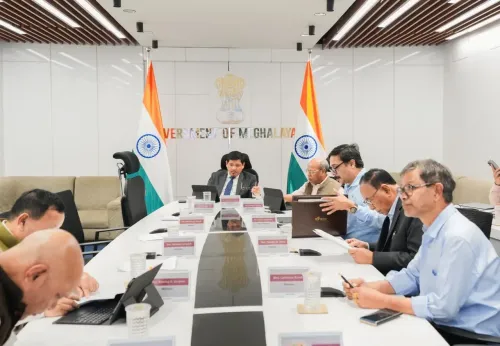
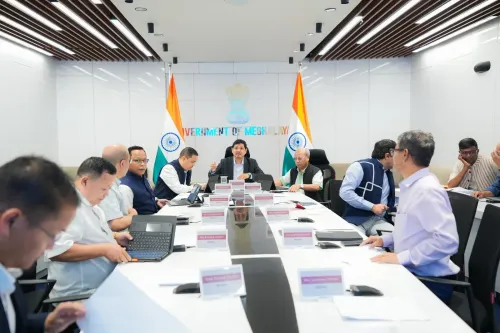
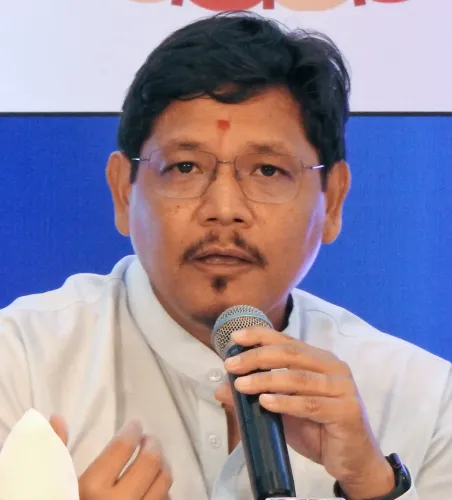
Meghalaya Chief Minister Conrad Sangma met Union Minister of Coal and Mines G. Kishan Reddy in New Delhi on Tuesday, 7 July 2026, urging the Centre to restore lawful small-scale coal mining rights in the state's Sixth Schedule tribal regions. Sangma pressed for a state-specific regulatory framework that would allow Meghalaya to oversee mining operations, restore livelihoods to thousands of families, and end illegal extraction.
Context
Meghalaya is a Sixth Schedule state under the Indian Constitution, meaning land and the minerals beneath it are vested in communities, clans, and traditional bodies — not the state or the Centre. This arrangement has long created a regulatory grey zone, where central mining and environmental statutes sit uneasily alongside customary ownership rights.
The National Green Tribunal (NGT) banned unscientific 'rat-hole' coal mining across Meghalaya in April 2014 on environmental and safety grounds. The ban halted most legal operations but failed to stop illegal extraction, leaving mining-dependent households without a lawful income source for over a decade.
Policy Backdrop
Since 2015, successive Meghalaya governments have repeatedly approached the Centre seeking a state-specific regulatory mechanism compatible with Sixth Schedule provisions. No formal framework has emerged, creating a vacuum that has simultaneously deprived households of legal livelihoods and enabled unregulated, unsafe extraction to continue in districts such as East Jaintia Hills.
Sangma stated that he urged the Centre 'to grant our State the powers we need so that small-scale coal mining can be revived lawfully, under proper regulation and the close oversight of the Government of Meghalaya.' He described the issue as one 'close to my heart and to the lives of thousands of families across our coal-bearing regions.'
The Chief Minister was accompanied by Santa Mary Shylla, MLA from the Sutnga Saipung constituency — a seat situated in the coal-bearing East Jaintia Hills district, underscoring the ground-level political stakes of the meeting.
Stakeholders and Impact
The communities most directly affected are tribal landowners and mining families in East Jaintia Hills and neighbouring coal-bearing areas, where coal extraction has historically been a primary source of household income. The post-2014 ban left many without a legal livelihood alternative, pushing some into illegal operations that carry serious safety risks.
Environmental groups and the NGT have maintained that unscientific rat-hole mining caused severe ecological damage, including acid mine drainage into rivers. Any new framework will need to reconcile community economic rights with binding environmental safeguards — a balance that has eluded policymakers for over a decade.
Sangma welcomed Minister Reddy's response, noting that the minister 'gave our concerns a patient hearing and suggested that a committee be constituted with representatives from ministry and state government to look into the matter.' The Chief Minister said the committee 'will be formed soon.'
What's Next
The immediate deliverable is the constitution of a joint committee comprising representatives of the Union Ministry of Coal and Mines and the Government of Meghalaya. Its mandate would be to examine how lawful small-scale mining can be structured within the Sixth Schedule framework while meeting environmental and safety norms.
The committee's first meeting, its draft recommendations, and any subsequent legislative or regulatory proposals will be closely watched by tribal bodies, environmental regulators, and the broader northeast, where similar tensions between customary land ownership and national resource policy remain unresolved. Whether this latest engagement translates into a durable legal framework — or joins the long list of inconclusive centre-state consultations on the issue — will define its significance.
Point of View
Sangma has moved the conversation from repeated petitions to a structured institutional process, which is a modest but meaningful procedural advance. The political calculus is also clear: with the NPP governing Meghalaya and aligned with the BJP-led Centre, the diplomatic conditions for a workable deal are arguably better now than they have been since the NGT ban. The real test will be whether the committee produces enforceable regulations or becomes another consultative body that defers the hard choices on environmental compliance and Sixth Schedule autonomy.
NationPress
6 Oct 2026
Frequently Asked Questions
Why was coal mining banned in Meghalaya?
The National Green Tribunal banned unscientific rat-hole coal mining in Meghalaya in April 2014 , citing severe environmental damage — including acid drainage into rivers — and serious safety risks to workers.
What is the Sixth Schedule and why does it matter for Meghalaya's coal mining?
The Sixth Schedule of the Indian Constitution grants special autonomy to tribal areas in northeastern states, including Meghalaya , where land and the minerals beneath it are owned by communities and clans rather than the state or Centre. This means any mining framework must be compatible with community ownership rights.
What did Conrad Sangma ask the Centre for in the 7 July 2026 meeting?
CM Conrad Sangma urged the Centre to grant Meghalaya the powers to regulate and oversee small-scale coal mining independently, so that extraction can resume lawfully with proper safety and environmental oversight, restoring livelihoods to thousands of families.
What was the outcome of the meeting between Sangma and Kishan Reddy?
Union Minister G. Kishan Reddy agreed to constitute a joint committee with representatives from the Union Ministry of Coal and Mines and the Government of Meghalaya to examine the regulatory framework. CM Sangma said the committee 'will be formed soon.'
Which areas of Meghalaya are most affected by the coal mining ban?
East Jaintia Hills is among the most affected districts, as it is a primary coal-bearing region where thousands of families have historically depended on mining for their livelihoods. MLA Santa Mary Shylla , who represents the Sutnga Saipung constituency in this district, accompanied the CM to the meeting.