CM Conrad Sangma reviews Meghalaya urban affairs, infra push
Synopsis
Meghalaya Chief Minister Conrad Sangma chaired a review of Urban Affairs Department schemes and key infrastructure projects, tagging Union Housing and Urban Affairs Minister Manohar Lal Khattar. The exercise focuses on strengthening urban development and public services across the state, with Shillong's Smart Cities Mission and AMRUT 2.0 works forming the backbone of ongoing central support.
Key Takeaways
Chief Minister Conrad Sangma reviewed Urban Affairs Department schemes and major infrastructure projects in Meghalaya.
Union Housing and Urban Affairs Minister Manohar Lal Khattar was tagged in the post, signalling Centre-state coordination.
Shillong is part of the Smart Cities Mission launched in 2015 covering 100 cities.
AMRUT 2.0, approved in 2021, extends water, sewerage and drainage support to more towns.
Urban local bodies in Shillong, Tura and other municipal areas are the principal implementing agencies.
Next milestones include quarterly AMRUT progress reports and possible supplementary state grants.
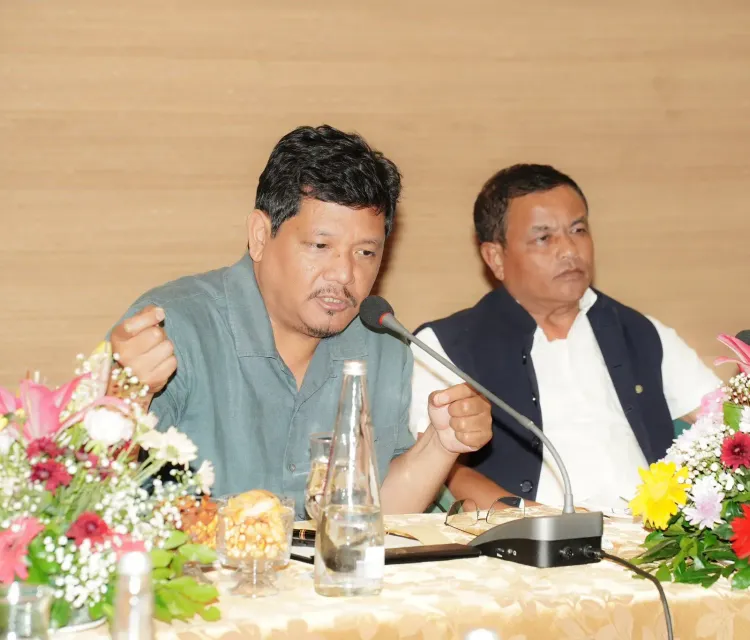
Meghalaya Chief Minister Conrad Sangma on Wednesday chaired a review of ongoing schemes and key infrastructure projects under the state's Urban Affairs Department, signalling a fresh push to accelerate urban service delivery across Meghalaya. The exercise was held in coordination with Union Minister for Housing and Urban Affairs Manohar Lal Khattar, whom the Chief Minister tagged in his post.
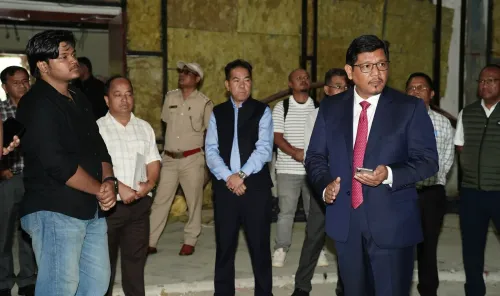
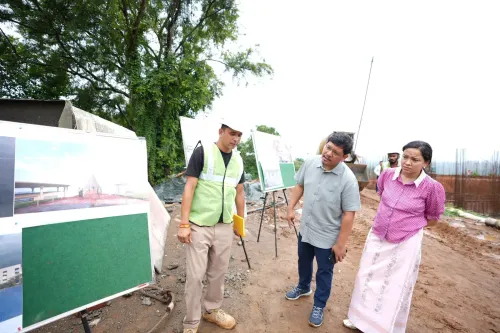
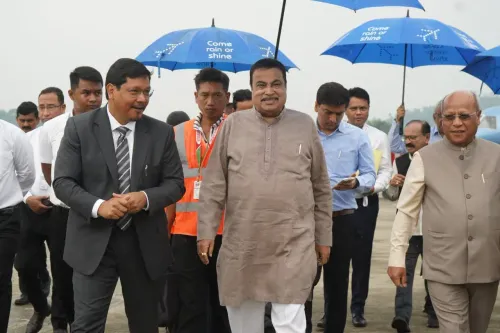
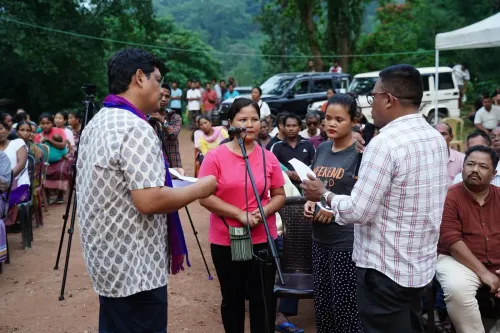
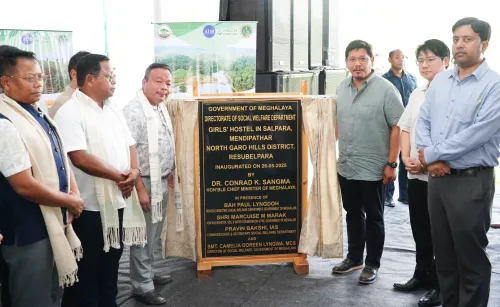
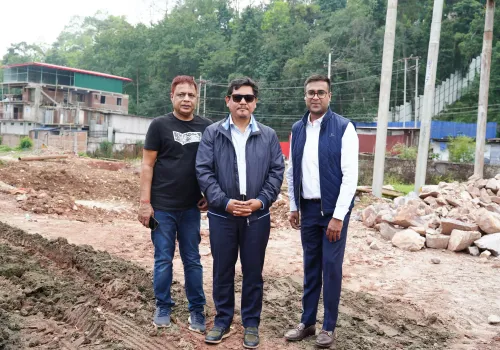
In his message, the Chief Minister said he had 'conducted a review of the ongoing schemes and initiatives of the Urban Affairs Department, along with key infrastructure projects aimed at strengthening urban development and improving public services across the State.' The post was accompanied by four images from the meeting.
Context
Meghalaya's urban footprint is concentrated in Shillong, the capital, and Tura in the Garo Hills, with smaller municipal areas distributed across a largely hilly terrain. The Urban Affairs Department steers municipal governance, town planning, water and sanitation works and city-level capital projects in partnership with urban local bodies.
Periodic reviews of this kind are a standard mechanism for state governments to track physical and financial progress on centrally-sponsored urban missions and to flag bottlenecks in procurement, land acquisition and contractor performance.
Policy backdrop
Two Union schemes form the spine of urban investment in the state. The Smart Cities Mission, launched in 2015, selected Shillong among its 100 cities for an integrated package of area-based development and pan-city digital interventions.
The Atal Mission for Rejuvenation and Urban Transformation (AMRUT) 2.0, approved by the Union Cabinet in 2021, extends water supply, sewerage, drainage and green space projects to a wider set of towns. Northeastern states, including Meghalaya, have received dedicated allocations under both missions to bridge infrastructure gaps that are aggravated by hilly geography and high rainfall.
Coordination with the Union Ministry of Housing and Urban Affairs, led by Manohar Lal Khattar, is a recurring feature of project execution, since central fund tranches are typically tied to physical milestones reported by the state.
Stakeholders and impact
The immediate stakeholders are residents of Meghalaya's municipal areas who depend on piped water, sewerage, solid waste management and intra-city mobility upgrades. Urban local bodies, which implement most of these works on the ground, are the principal delivery agencies.
Contractors and state-level project management units are also affected by review-level decisions on timelines and revised cost estimates. For the state exchequer, faster utilisation of central grants is critical to unlocking subsequent tranches under both AMRUT 2.0 and the Smart Cities Mission.
The Chief Minister, who also serves as national president of the National People's Party, has consistently positioned urban services and connectivity as priority areas for his government since taking charge in 2018.
What's next
Attention will turn to the next quarterly progress reports on AMRUT works in Meghalaya and any supplementary grants or fresh project sanctions announced through the state assembly. The pace at which contracts move from review to ground-level execution will determine whether the meeting translates into visible service improvements in Shillong, Tura and other municipal towns over the coming quarters.
Point of View
The Chief Minister underlines that Meghalaya's urban story is tightly coupled to Centre-state fund flows under Smart Cities and AMRUT 2.0. The political subtext is that visible service upgrades in Shillong and Tura matter both for residents and for the National People's Party's governance pitch. The substantive test will be in the next set of utilisation and completion numbers.
NationPress
24 Sept 2026
Frequently Asked Questions
What did Conrad Sangma review on June 3, 2026?
Meghalaya Chief Minister Conrad Sangma reviewed ongoing schemes of the Urban Affairs Department along with key infrastructure projects aimed at strengthening urban development and public services across the state.
Why was Manohar Lal Khattar tagged in the post?
Manohar Lal Khattar holds the Union Housing and Urban Affairs portfolio, which oversees central urban missions such as Smart Cities and AMRUT 2.0 that fund projects in Meghalaya.
Which central schemes drive urban projects in Meghalaya?
The Smart Cities Mission, launched in 2015 with Shillong among its 100 cities, and AMRUT 2.0, approved in 2021 for water, sewerage and drainage works, are the two main central schemes.
Which towns in Meghalaya benefit from urban schemes?
Shillong, the state capital, and Tura in the Garo Hills are the principal urban centres, along with smaller municipal areas across the state.
Who implements urban projects on the ground in Meghalaya?
Urban local bodies are the principal implementing agencies, working under the state's Urban Affairs Department in coordination with the Union Housing and Urban Affairs Ministry.