India flags West Asia attacks as utmost concern, urges de-escalation
Synopsis
As Israeli strikes hit Iranian petrochemical infrastructure and Iranian missiles targeted Israel on the same day, New Delhi broke its silence with a pointed MEA statement — calling the 100-day-old West Asia conflict a matter of utmost concern and urging all parties to de-escalate. India also told its nationals in Iran to leave immediately.
Key Takeaways
India's MEA on 8 June expressed deep regret over renewed attacks in West Asia , calling them a matter of utmost concern to the international community .
The conflict has lasted over 100 days , causing immense human suffering and disrupting global energy supplies and the economy.
The Indian Embassy in Tehran reiterated its travel advisory, urging Indian nationals to leave Iran by all available means.
The IDF struck targets at Iran's Mahshahr petrochemical complex; all Iranian missiles fired at Israel on Monday were reportedly intercepted.
Iran's Ali Abdollahi warned of 'crushing' retaliatory blows if Israel expands attacks on southern Lebanon and Dahieh .
A ceasefire took effect on 8 April ; peace talks on 11–12 April failed, though both sides are reportedly working toward a memorandum of understanding.
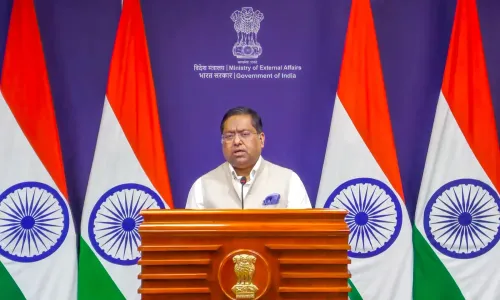
India on Monday, 8 June expressed deep regret over the renewed attacks in West Asia, calling on all parties to immediately de-escalate tensions and warning that the ongoing conflict poses a matter of utmost concern to the international community. The statement was issued by the Ministry of External Affairs (MEA) as fresh strikes and retaliatory missile exchanges escalated between Israel and Iran.
What India Said
The MEA statement noted that the conflict has now lasted over 100 days and has caused immense human suffering, while also delivering a debilitating impact on the global economy and energy supplies.
'India deeply regrets the renewed attacks in West Asia. These developments are a matter of utmost concern to the international community,' the statement read. It further urged all parties to 'immediately de-escalate tensions, ensure that civilians are not harmed and conclude ongoing negotiations for a diplomatic solution so that peace and stability can return to the region.'
Advisory for Indians in Iran
Earlier on the same day, the Indian Embassy in Tehran reiterated its travel advisory for Iran, urging Indian nationals to avoid travelling to the region. Those already present were advised to leave by all available means of transport at the earliest opportunity.
Key Developments on the Ground
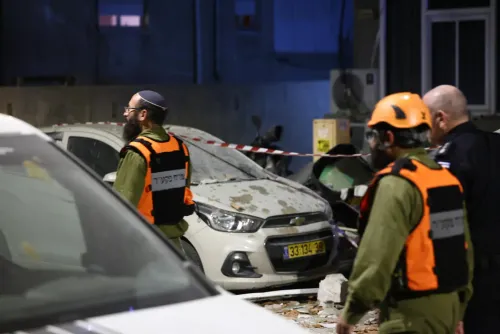
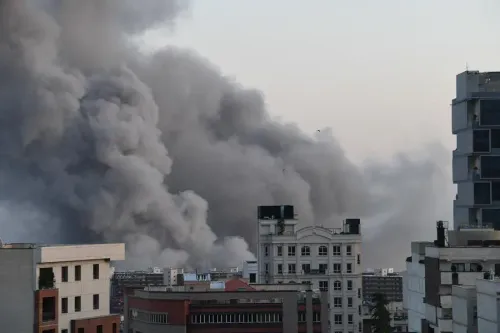
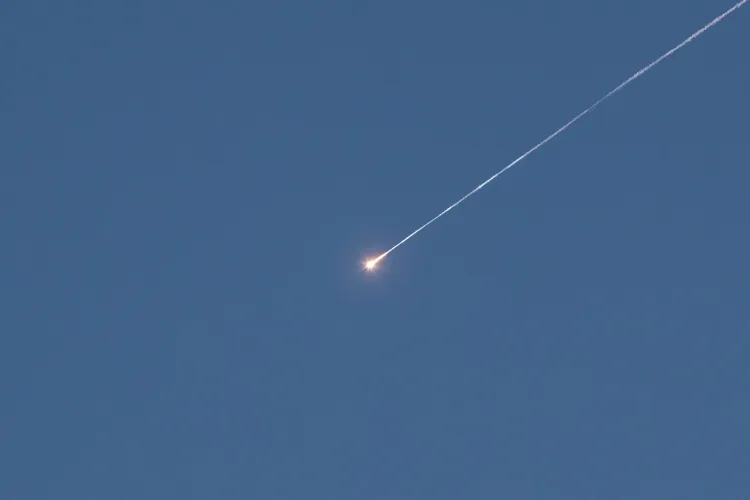
The Israel Defence Forces (IDF) confirmed on Monday that it had struck 'several targets' at the petrochemical complex in Iran's Mahshahr area. In a separate statement, the Israeli military said all Iranian missiles launched at Israel on Monday morning were successfully intercepted.
The IDF attributed an impact reported in an open field in the West Bank to a large fragment following an interception. An all-clear was subsequently issued for the Jerusalem area after an early warning had been sounded for an incoming Iranian missile attack, according to reports.
Iran's Warning to Israel
Ali Abdollahi, chief commander of Iran's Khatam al-Anbiya Central Headquarters, warned that Israel would face more 'crushing and regret-inducing blows' if it expands its attacks on southern Lebanon and the Dahieh district south of Beirut, or responds further to Iran's actions. His remarks were aired by Iran's semi-official Fars news agency.
Abdollahi accused Israel of perpetrating war crimes by allegedly using banned weapons, including phosphorus bombs, in Lebanon — with what he described as a US 'greenlight' and in the absence of meaningful response from international organisations. He stressed that Israel had crossed 'all red lines' by targeting Dahieh despite Iran's earlier warnings.
Background and Peace Efforts
The current cycle of hostilities in West Asia erupted following US-Israeli strikes on Iran on 28 February, which reportedly killed Iran's Supreme Leader Ayatollah Ali Khamenei and senior military officials. Iran responded with drone and missile strikes targeting US and Israeli facilities, regional capitals, and allied forces across the region.
A ceasefire between Iran, the United States, and Israel took effect on 8 April. The first round of peace talks between Iranian and US delegations, held on 11–12 April, failed to produce an agreement. In recent weeks, both sides have reportedly exchanged multiple proposals and are working to finalise a memorandum of understanding aimed at formally ending the conflict. Whether the latest escalation derails those efforts remains the central question.
Point of View
The government is clearly preparing for a wider escalation even as it publicly calls for restraint. The failure of April's ceasefire talks and the resumption of strikes suggest that the memorandum of understanding being negotiated is fragile at best. India's call for a 'diplomatic solution' carries weight only if it is backed by active engagement — so far, the MEA statement stops short of naming either aggressor or offering mediation.
NationPress
25 Oct 2026
Frequently Asked Questions
What did India say about the renewed attacks in West Asia?
India's Ministry of External Affairs on 8 June expressed deep regret over the renewed attacks in West Asia, calling the developments a matter of utmost concern to the international community. The MEA urged all parties to immediately de-escalate, protect civilians, and conclude negotiations for a diplomatic solution.
Why has the Indian Embassy in Tehran issued a travel advisory?
The Indian Embassy in Tehran reiterated its travel advisory on 8 June amid escalating hostilities between Israel and Iran in the region. Indian nationals were advised to avoid travelling to Iran and those already present were urged to leave by all available means of transport.
What strikes took place in West Asia on 8 June?
The Israel Defence Forces struck several targets at Iran's Mahshahr petrochemical complex on Monday. Iran launched missiles at Israel, all of which were reportedly intercepted; an impact in the West Bank was attributed to a fragment from an interception.
What is the current status of Israel-Iran ceasefire and peace talks?
A ceasefire between Iran, the United States, and Israel took effect on 8 April, but the first round of peace talks on 11–12 April failed to yield an agreement. Both sides have reportedly exchanged multiple proposals and are working toward a memorandum of understanding, though renewed strikes have cast fresh doubt on the process.
How did the current West Asia conflict begin?
The conflict erupted after US-Israeli strikes on Iran on 28 February reportedly killed Iran's Supreme Leader Ayatollah Ali Khamenei and senior military officials. Iran responded with drone and missile attacks on US and Israeli facilities and allied forces across the region, triggering the ongoing cycle of hostilities.