India urges nationals to leave Iran immediately amid escalating conflict
Synopsis
As Iranian and Israeli forces exchange missiles and airstrikes, India has told its nationals in Iran to get out now. The Indian Embassy in Tehran’s blunt advisory — exit by any available means — underscores how rapidly the post-ceasefire fragility has collapsed, with Israeli strikes hitting Iran’s Mahshahr petrochemical complex and Tehran threatening ‘devastating’ retaliation.
Key Takeaways
The Indian Embassy in Tehran reiterated on 8 June that Indian nationals must avoid travel to Iran and those present must leave immediately.
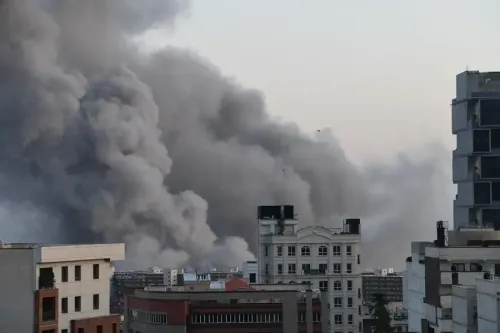
The Israel Defence Forces (IDF) confirmed strikes on ‘several targets’ at Iran’s Mahshahr petrochemical complex.
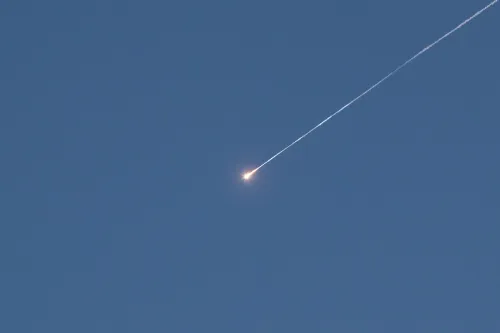
All Iranian missiles fired at Israel on Monday morning were reportedly intercepted by Israeli defences.
Iran’s military commander Ali Abdollahi warned of ‘crushing’ and ‘devastating’ retaliation if Israeli attacks on southern Lebanon and Dahieh continue.
A ceasefire between Iran , the US , and Israel had taken effect on 8 April ; ongoing strikes signal that peace talks remain fragile.
The conflict escalated after US-Israeli strikes on 28 February reportedly killed Iran’s Supreme Leader Ayatollah Ali Khamenei .
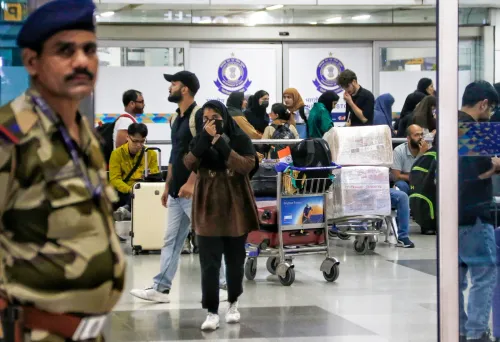
India on Monday, 8 June reiterated its travel advisory for Iran, urging all Indian nationals to avoid travelling to the country and directing those already present to exit immediately by any available means of transport. The advisory was issued by the Indian Embassy in Tehran amid a sharp escalation in hostilities between Iran and Israel across West Asia.
What the Embassy Said
In a statement shared on X, the Indian Embassy said: “In view of the latest developments in the region, the Embassy reiterates its earlier advice to all Indian Nationals to avoid any travel to Iran.” It further added that “Indian Nationals presently in Iran are also advised to exit the country by available means of transport.”
The advisory marks a reiteration of an earlier warning, signalling that New Delhi views the security situation in Iran as sufficiently grave to warrant urgent action by its citizens on the ground.
Key Developments on the Ground
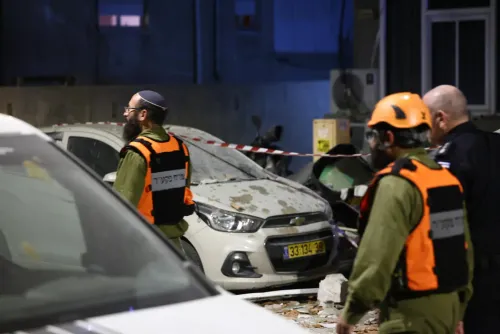
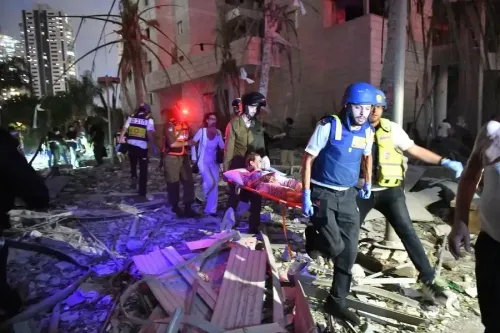
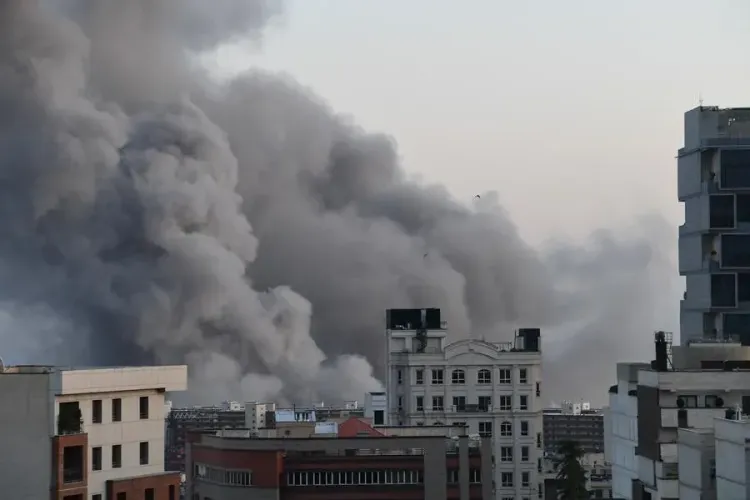
The Israel Defence Forces (IDF) confirmed it had struck “several targets” at a petrochemical complex in Iran’s Mahshahr area. In a separate statement, the Israeli military said all Iranian missiles launched at Israel on Monday morning were intercepted. The IDF noted that an impact reported in an open field in the West Bank was likely a large fragment from an interception, and an all-clear was issued in the Jerusalem area following an early warning for an Iranian missile strike.
On Sunday, Ali Abdollahi, chief commander of Iran’s Khatam al-Anbiya Central Headquarters, warned that Israel would face more “crushing and regret-inducing blows” if it expands its attacks on southern Lebanon and the Dahieh district south of Beirut. In a statement aired by Iran’s semi-official Fars news agency, Abdollahi warned that “devastating” attacks would begin against Israel and its supporters if strikes on Lebanon continued. He also alleged that Israel was “perpetrating war crimes by using banned weapons, including phosphorus bombs,” with what he described as a US “greenlight.”
Background: How the Conflict Escalated
The current cycle of hostilities in West Asia traces back to 28 February, when US-Israeli strikes on Iran reportedly killed Iran’s Supreme Leader Ayatollah Ali Khamenei and senior military officials. Iran responded with drone and missile attacks targeting US and Israeli facilities, regional capitals, and allied forces across the region.
A ceasefire between Iran, the United States, and Israel took effect on 8 April. In recent weeks, the two sides have reportedly exchanged several proposals outlining conditions for a lasting peace and are working to finalise a memorandum of understanding aimed at formally ending the conflict. The renewed strikes on Monday suggest that fragile process remains under severe strain.
Impact on Indian Nationals
India has a significant diaspora and workforce presence across West Asia. With direct hostilities now involving missile exchanges and airstrikes on Iranian soil, the Ministry of External Affairs and the Indian Embassy have taken the precautionary step of urging immediate departure. This is the latest in a series of advisories India has issued for the region since hostilities intensified earlier this year.
With peace talks still at a preliminary stage and military exchanges continuing, Indian nationals in Iran face an uncertain and rapidly evolving security environment.
Point of View
The window for an orderly exit is narrowing. What mainstream coverage underplays is the economic exposure: Indian workers in Iran’s petrochemical and construction sectors are among those most at risk, and a chaotic evacuation scenario, as seen during earlier Gulf crises, would test both consular capacity and bilateral relations with Tehran at a moment when India has carefully maintained ties with all sides.
NationPress
20 Sept 2026
Frequently Asked Questions
What has India advised its nationals in Iran?
India has urged all Indian nationals to avoid travelling to Iran and has directed those currently in the country to leave immediately by any available means of transport. The advisory was reiterated by the Indian Embassy in Tehran on 8 June amid escalating hostilities between Iran and Israel.
Why has India issued a travel advisory for Iran?
The advisory follows a sharp escalation in the Iran-Israel conflict, including Israeli airstrikes on Iran’s Mahshahr petrochemical complex and Iranian missile launches at Israel. The security situation has deteriorated despite an April ceasefire, prompting New Delhi to urge immediate departure.
What is the current status of the Iran-Israel conflict?
As of 8 June, Iran and Israel are exchanging missile and airstrike attacks. Israel says it intercepted all Iranian missiles fired on Monday morning, while Iran’s military has threatened further ‘devastating’ retaliation. A ceasefire that took effect on 8 April appears to be under severe strain.
When did the current Iran-Israel hostilities begin?
The current cycle of hostilities escalated following US-Israeli strikes on Iran on 28 February, which reportedly killed Iran’s Supreme Leader Ayatollah Ali Khamenei and senior military officials. Iran responded with drone and missile attacks on US and Israeli facilities across West Asia.
Are India and Iran in peace talks?
Iran and the United States have reportedly exchanged several proposals for peace and are working to finalise a memorandum of understanding to formally end the conflict. However, the resumption of strikes on 8 June suggests those negotiations remain fragile and inconclusive.