Indian Embassy in Iran issues revised travel advisory amid US strikes
Synopsis
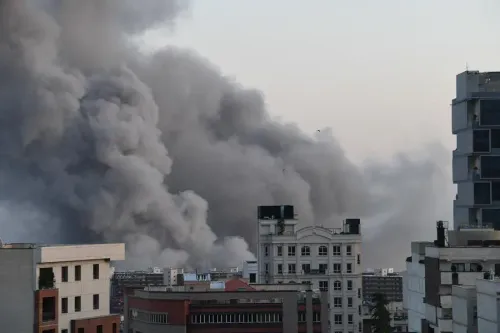
As US forces completed their eighth consecutive night of strikes on Iranian military targets and Iran severed its peace MoU commitments with Washington, the Indian Embassy in Tehran issued one of its starkest warnings yet — telling nationals to leave Iran while flights are still available. With 50,000 US troops on high alert and the Strait of Hormuz region flagged as a danger zone, the stakes for the Indian community in Iran have rarely been higher.
Key Takeaways
The Indian Embassy in Tehran issued a revised advisory on 20 July , urging Indian nationals to postpone travel to Iran and consider leaving temporarily.
Indians remaining in Iran are advised to avoid the southern coast and areas with elevated military activity, and to follow instructions from local authorities.
Unregistered Indian nationals in Iran have been directed to register with the Embassy immediately.
US Central Command (CENTCOM) confirmed the eighth consecutive night of US strikes targeting Iranian military facilities, with over 50,000 US troops in the Middle East on high alert.
Iran has ceased fulfilling obligations under its peace MoU with the United States , according to Deputy Foreign Minister Kazem Gharibabadi .
The IRGC reportedly launched attacks against US service members in Jordan on 17 July , which the US cited as a trigger for its latest strikes.
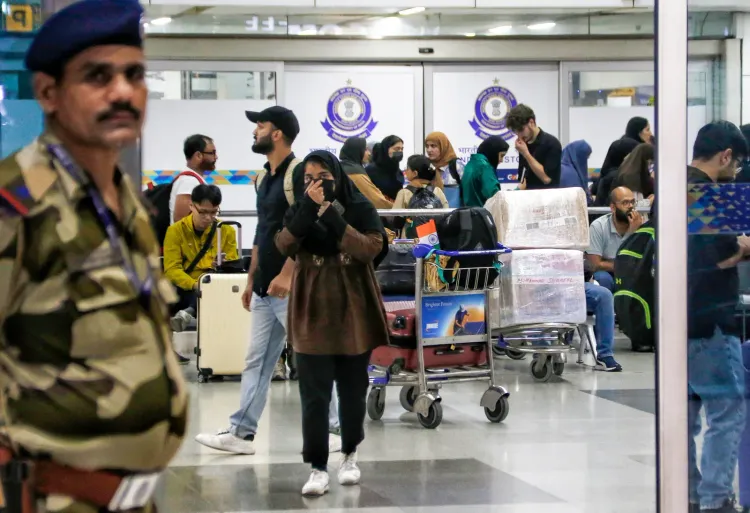
The Indian Embassy in Tehran on Sunday, 20 July issued a revised advisory urging Indian nationals to postpone all travel to Iran and asking those already in the country to consider leaving temporarily, citing a sharp deterioration in the security environment amid escalating US-Iran military exchanges. The advisory marks one of the most direct warnings the Embassy has issued to the Indian diaspora in Iran in recent months.
What the Advisory Says
'Indian nationals intending to travel to Iran for any purpose should postpone travel for the time being until the security environment improves. Indians already in Iran should consider temporarily exiting Iran, using available flight options,' the Embassy stated in its official notice.
Those who choose to remain in Iran have been advised to 'exercise the highest possible level of caution,' monitor news continuously for situational awareness, and avoid areas witnessing elevated military activity — particularly locations along the southern coast of the country. The Embassy also directed nationals to comply carefully with instructions issued by local Iranian authorities.
Registration and Updates
In a significant procedural directive, the Embassy called on any Indian nationals present in Iran who have not yet registered their details with the mission to do so immediately. It also asked all Indians in the country to regularly monitor the Embassy's official website and social media handles for further updates as the situation evolves.
The Escalating US-Iran Conflict
The advisory comes against the backdrop of a serious and ongoing military confrontation between the United States and Iran. US Central Command (CENTCOM) confirmed that American forces had completed another round of strikes against Iran, with more than 50,000 US troops in the Middle East remaining 'highly vigilant.'
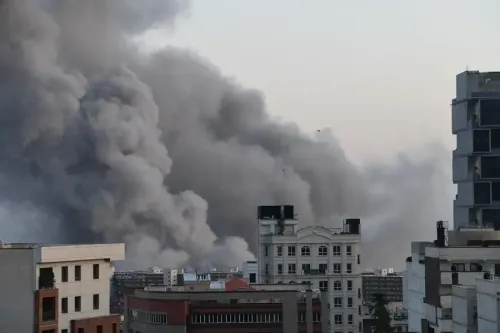
'During the eighth consecutive night of US strikes, CENTCOM forces successfully hit Iranian military coastal surveillance and air defence facilities, maritime capabilities, and missile and drone storage sites to continue degrading Iranian military capabilities,' CENTCOM said in a post on social media platform X.
The US military also confirmed it targeted Iran's Islamic Revolutionary Guard Corps (IRGC), which, according to the command, 'launched attacks against US service members in Jordan on 17 July.'
Iran's Response and Diplomatic Breakdown
On the Iranian side, Deputy Foreign Minister for Legal and International Affairs Kazem Gharibabadi stated that Iran had ceased fulfilling its obligations under the peace memorandum of understanding (MoU) with the United States, alleging that Washington had violated its commitments under the deal. The diplomatic breakdown has removed a key de-escalation mechanism and raised fears of a prolonged confrontation.
Notably, this is the eighth consecutive night of US strikes — a sustained campaign that signals a significant departure from the episodic exchanges that characterised earlier phases of the standoff. The southern coast of Iran, flagged specifically in the Indian Embassy's advisory, sits along the Strait of Hormuz, a critical global oil transit chokepoint, adding an economic dimension to what is already a volatile security situation.
Impact on Indians in Iran
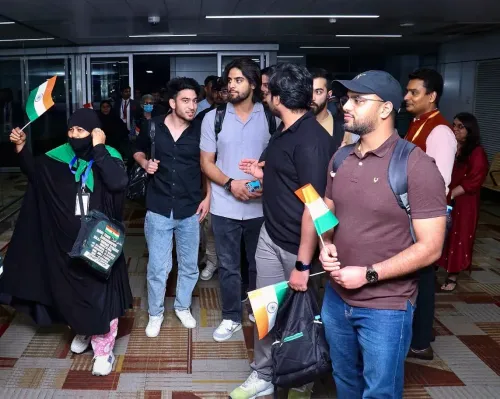
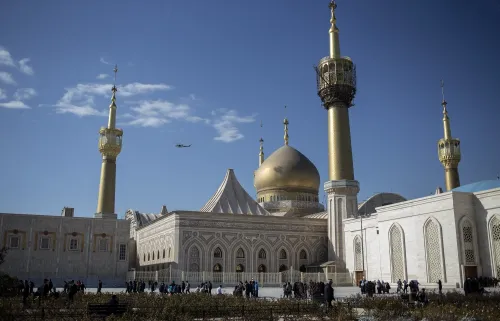
India maintains a sizeable community of nationals in Iran, including business persons, pilgrims visiting religious sites, and long-term residents. The revised advisory is the strongest signal yet from New Delhi that the situation warrants immediate action. With flight options still reportedly available, the window for voluntary departure remains open — but the Embassy's language suggests that window may not remain so indefinitely. All eyes are now on whether the conflict de-escalates or expands beyond Iranian territory.
Point of View
Which suggests the government is still calibrating its response to a conflict that has moved faster than anticipated. With the Strait of Hormuz in the crosshairs and Iran's peace MoU now effectively dead, the situation carries systemic risk for Indian energy supply chains — a dimension conspicuously absent from the Embassy's public communication. India's balancing act between its Iran ties and its US partnership is under acute stress, and the advisory is the first visible crack.
NationPress
19 Oct 2026
Frequently Asked Questions
What does the Indian Embassy advisory for Iran say?
The Indian Embassy in Tehran issued a revised advisory on 20 July urging Indian nationals to postpone all travel to Iran and asking those already in the country to consider leaving temporarily using available flight options. Those who remain are advised to exercise maximum caution, avoid high-military-activity zones especially along the southern coast, and follow local authority instructions.
Why has the Indian Embassy in Iran issued this advisory?
The advisory was issued in response to a sharp increase in instability and conflict in Iran, including eight consecutive nights of US military strikes on Iranian military facilities and Iran's decision to cease compliance with its peace MoU with the United States. The security environment has deteriorated significantly.
What should Indians already in Iran do?
Indians in Iran are advised to consider leaving immediately using available flights, register with the Indian Embassy if they have not already done so, monitor the Embassy's website and social media for updates, and avoid areas with elevated military activity, particularly along Iran's southern coast.
What has the US military done in Iran?
US Central Command (CENTCOM) confirmed completing the eighth consecutive night of strikes against Iran, targeting coastal surveillance and air defence facilities, maritime capabilities, and missile and drone storage sites. Over 50,000 US troops in the Middle East remain on high alert. The US also targeted Iran's IRGC following alleged attacks on US service members in Jordan on 17 July.
Has Iran responded to the US strikes?
Iran has ceased fulfilling its obligations under the peace memorandum of understanding (MoU) with the United States, with Deputy Foreign Minister Kazem Gharibabadi stating that Washington violated its commitments under the deal. This diplomatic breakdown has eliminated a key de-escalation channel between the two sides.