US embassies in 10 Mideast nations warn citizens amid escalation risk
Synopsis
In a rare coordinated move, US embassies across 10 Middle East nations simultaneously told American citizens to prepare to leave — as Iran reportedly finalised an 'extensive' retaliation plan targeting Israeli and US energy infrastructure. With the Strait of Hormuz under Iranian pressure and a new Houthi-Saudi front opening in the Red Sea, the region is closer to a broader conflagration than at any point this year.
Key Takeaways
US embassies in at least 10 Middle East countries — including Israel , Iraq , Saudi Arabia , and the UAE — issued coordinated security alerts on 1 August .
Americans in the region were advised to 'consider departing or be prepared to depart should there be escalation.' Iran reportedly prepared an 'extensive' response plan targeting Israeli infrastructure and US energy assets in the Middle East, according to Tasnim news agency .
The crisis escalated after 28 February joint US-Israeli strikes on Tehran reportedly killed then Supreme Leader Ali Khamenei and senior commanders.
A new Red Sea front involving Yemen's Houthis and Saudi Arabia has added a second flashpoint to the conflict.
Iran has reportedly tightened control over the Strait of Hormuz , through which roughly 20% of global oil supply passes.
US embassies across at least 10 Middle East countries on Saturday, 1 August issued coordinated security alerts warning American nationals to exercise heightened caution and to 'consider departing or be prepared to depart should there be escalation.' The warnings span a region already gripped by active military exchanges, airspace disruptions, and a rapidly shifting threat landscape.
Which Countries Issued the Alerts
The advisories were posted simultaneously on the websites of US missions in Israel, Jordan, Iraq, Egypt, Bahrain, the United Arab Emirates, Qatar, and Saudi Arabia, among others. The near-identical language across missions signals a centrally coordinated assessment rather than country-specific intelligence.
'Due to heightened tensions in the Middle East, the security environment remains complex with the potential for unforeseen escalation,' the alerts stated. Citizens were also advised to brace for flight cancellations, periodic airspace closures, and broader travel disruptions.
Iran's Reported Response Plan
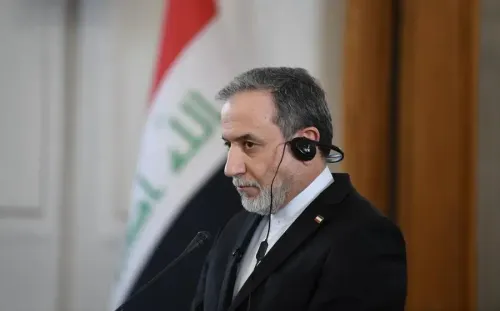
The embassy warnings arrived alongside a significant development on the Iranian side. Iran's semi-official Tasnim news agency reported that Tehran has prepared an 'extensive' contingency plan in response to what it described as US media claims about possible US and Israeli strikes on Iranian infrastructure. According to Tasnim, a senior security official said the plan reportedly involves targeting vital Israeli infrastructure and US energy infrastructure across the Middle East — though independent verification of the plan's details was not immediately available.
Background: How the Conflict Reached This Point
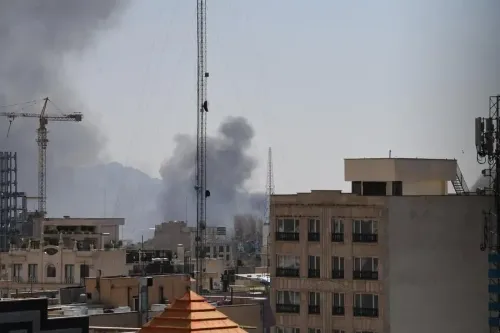
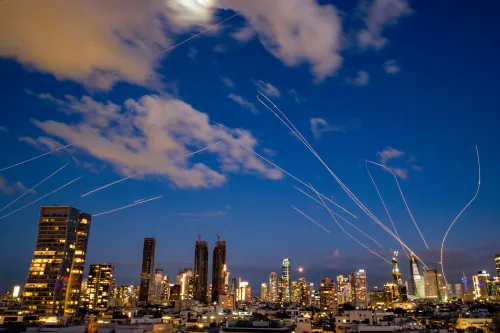
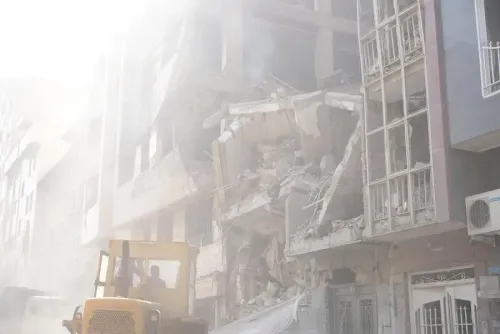
The current crisis traces back to 28 February, when the United States and Israel reportedly launched joint strikes on Tehran and other Iranian cities, killing Iran's then Supreme Leader Ali Khamenei, senior military commanders, and civilians, according to reports. Iran subsequently responded with waves of missile and drone attacks on US and Israeli bases and assets across the region, while also tightening control over the strategically critical Strait of Hormuz.
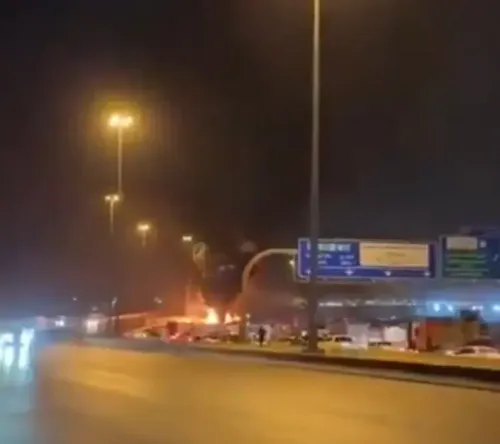
The conflict has since expanded, with a new front emerging in the Red Sea involving Yemen's Houthi forces and Saudi Arabia, compounding pressure on regional shipping and energy routes. Airstrikes between the US and Iran resumed after a brief pause, further unsettling the region.
Impact on Travel and Regional Stability
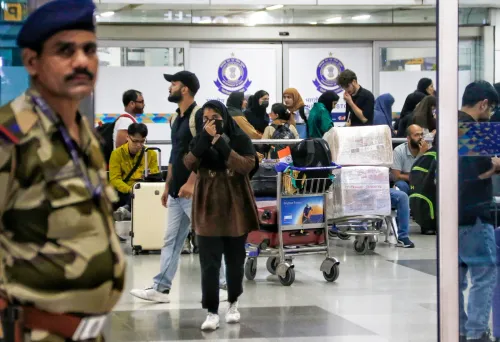
For the estimated millions of American nationals living, working, or travelling across the Middle East, the alerts represent an unusually stark official signal. The State Department-level guidance to those outside the region to 'seriously reconsider travel to and through the Middle East' reflects the breadth of perceived risk.
Energy markets, maritime insurance premiums, and Gulf carrier flight routes are all likely to face pressure as the situation develops. The Strait of Hormuz — through which roughly 20% of global oil supply transits — remains a flashpoint, with Iran's reported tightening of control adding a structural dimension to what began as a military confrontation.
What Comes Next
With Iran signalling a prepared retaliatory posture and US embassies on alert footing, the risk of miscalculation remains elevated. Diplomatic back-channels, if any, have not been publicly confirmed. Regional governments and international observers will be closely watching the next 48 to 72 hours for any further military movement or official statements that could either de-escalate or deepen the crisis.
Point of View
But whether any diplomatic architecture exists to absorb it — and right now, none has been publicly confirmed.
NationPress
16 Sept 2026
Frequently Asked Questions
Why have US embassies issued travel warnings across the Middle East?
US embassies in at least 10 Middle East countries issued coordinated security alerts on 1 August, citing a 'complex' security environment with the 'potential for unforeseen escalation.' The warnings follow renewed US-Iran military exchanges and Iran's reported preparation of a retaliatory strike plan targeting Israeli and US energy infrastructure.
Which countries are covered by the US embassy security alerts?
The alerts were issued by US missions in Israel, Jordan, Iraq, Egypt, Bahrain, the United Arab Emirates, Qatar, and Saudi Arabia, among others — covering much of the broader Middle East region.
What is Iran's reported response plan?
According to Iran's semi-official Tasnim news agency, a senior security official said Tehran has prepared an 'extensive' plan that reportedly involves targeting vital Israeli infrastructure and US energy infrastructure in the Middle East. Independent verification of the plan's specifics was not immediately available.
What triggered the current Middle East crisis?
The current escalation is linked to reported joint US-Israeli strikes on Tehran and other Iranian cities on 28 February, which according to reports killed then Supreme Leader Ali Khamenei and senior military commanders. Iran responded with missile and drone attacks on US and Israeli assets and tightened control over the Strait of Hormuz.
What should American citizens in the Middle East do now?
US embassies have advised American nationals already in the region to exercise heightened vigilance, prepare for flight cancellations and airspace closures, and consider departing. Those outside the region have been urged to seriously reconsider any travel to or through the Middle East.