US embassies warn citizens to 'consider departing' 10 Middle East countries
Synopsis
Washington has simultaneously activated travel warnings across 10 Middle East embassies — a rare, coordinated move that signals the US assesses escalation risk as both credible and imminent. With Iran reportedly preparing an 'extensive' retaliation plan targeting Israeli and US energy infrastructure, and the Strait of Hormuz already under pressure, the region is closer to a wider conflict than at any point in recent months.
Key Takeaways
US embassies in at least 10 Middle East countries issued simultaneous security alerts on 2 August , urging American citizens to 'consider departing.' Countries covered include Israel , Jordan , Iraq , Egypt , Bahrain , the UAE , Qatar , and Saudi Arabia .
Iran reportedly prepared an 'extensive' plan to target Israeli infrastructure and US energy infrastructure in the region, according to Tasnim news agency.
On 28 February , the US and Israel reportedly launched joint strikes on Tehran , killing then Supreme Leader Ali Khamenei and senior commanders.
A new front has reportedly opened in the Red Sea involving Yemen's Houthis and Saudi Arabia .
Iran has reportedly tightened control over the Strait of Hormuz , through which roughly 20% of global oil trade flows.
US embassies across at least 10 Middle East countries on Saturday, 2 August issued coordinated security alerts urging American nationals to 'consider departing or be prepared to depart should there be escalation,' citing a complex and volatile security environment across the region. The warnings, posted simultaneously on embassy websites, represent one of the broadest simultaneous US travel advisories issued for the Middle East in recent memory.
Countries Covered by the Alert
The security advisories were issued by US embassies in Israel, Jordan, Iraq, Egypt, Bahrain, the United Arab Emirates, Qatar, and Saudi Arabia, among others. The alerts carried near-identical language, warning that 'the security environment remains complex with the potential for unforeseen escalation.'
Citizens already in the region were advised to exercise heightened vigilance and prepare for flight cancellations, periodic airspace closures, and broader travel disruptions. Those outside the region were urged to 'seriously reconsider travel to and through the Middle East.'
Iran's Reported Response Plans
The embassy warnings coincided with a significant development on the Iranian side. Iran's semi-official Tasnim news agency reported that Tehran has prepared an 'extensive' contingency plan in response to recent US media reports about potential US and Israeli strikes on Iranian infrastructure. According to Tasnim, a senior Iranian security official indicated the plan reportedly involves targeting vital Israeli infrastructure and US energy infrastructure across the Middle East.
Notably, this is the first time Iranian officials have publicly described the scope of a potential retaliatory plan in such explicit terms since the current escalation cycle began.
Background: The Escalation Timeline
The advisories come amid renewed exchanges of airstrikes between the United States and Iran following a brief pause, and the emergence of a new front in the Red Sea involving Yemen's Houthis and Saudi Arabia.
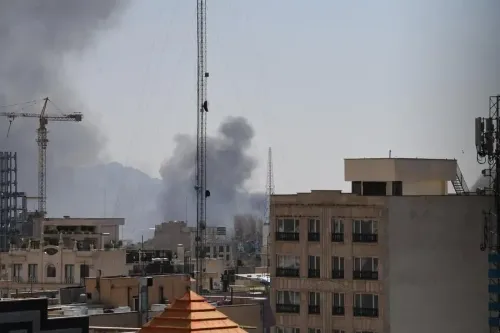
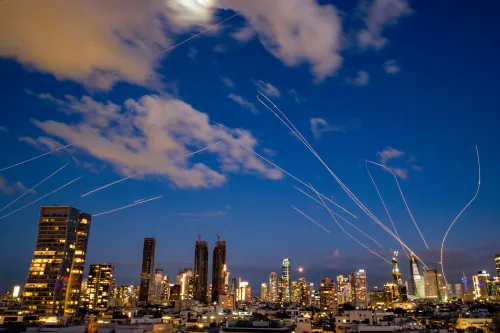
According to reports, on 28 February, the United States and Israel launched joint strikes on Tehran and other Iranian cities, killing Iran's then Supreme Leader Ali Khamenei, senior military commanders, and civilians. Iran subsequently responded with waves of missile and drone attacks on US and Israeli bases and assets across the region, while reportedly tightening control over the Strait of Hormuz — a chokepoint through which a significant share of global oil supplies passes.
What This Means for the Region
The simultaneous nature of the embassy alerts signals that Washington assesses the risk of rapid escalation as credible and imminent enough to warrant action across multiple jurisdictions at once. The inclusion of Gulf states such as the UAE, Qatar, and Saudi Arabia — which host major US military installations — underscores the geographic breadth of the threat assessment.
This comes amid growing concern over the Strait of Hormuz, through which roughly 20% of global oil trade flows, and where any disruption would have immediate consequences for energy markets worldwide. With Iran's reported contingency plans now in the public domain, the window for de-escalation appears to be narrowing.
Point of View
Meanwhile, is itself a form of deterrence messaging — designed to be read in Washington and Tel Aviv as much as in Tehran. The mainstream framing of this as a 'Middle East tensions' story understates the structural shift: the reported killing of Ali Khamenei on 28 February marks a point of no return in US-Iran relations, and the current advisory cycle may be the last quiet moment before a far larger escalation.
NationPress
16 Sept 2026
Frequently Asked Questions
Why have US embassies issued travel warnings across the Middle East?
US embassies in at least 10 Middle East countries issued simultaneous security alerts on 2 August, citing a 'complex' security environment and the 'potential for unforeseen escalation.' The warnings urge American citizens already in the region to consider departing and advise those outside to seriously reconsider travel.
Which countries are covered by the US embassy travel advisory?
The advisory covers at least 10 countries, including Israel, Jordan, Iraq, Egypt, Bahrain, the United Arab Emirates, Qatar, and Saudi Arabia. All issued near-identical alerts on the same day.
What is Iran's reported response plan?
According to Iran's semi-official Tasnim news agency, Tehran has prepared an 'extensive' contingency plan that reportedly involves targeting vital Israeli infrastructure and US energy infrastructure across the Middle East. A senior Iranian security official was cited as confirming the plan's existence.
What happened on 28 February that triggered the current escalation?
According to reports, the United States and Israel launched joint strikes on Tehran and other Iranian cities on 28 February, reportedly killing Iran's then Supreme Leader Ali Khamenei, senior military commanders, and civilians. Iran responded with waves of missile and drone attacks on US and Israeli assets across the region.
How does the Strait of Hormuz factor into the crisis?
Iran has reportedly tightened control over the Strait of Hormuz since the escalation began. The strait is a critical global oil chokepoint, with roughly 20% of world oil trade passing through it, meaning any sustained disruption would have immediate consequences for global energy markets.