US Government Orders Evacuation of Personnel Amid Middle East Tensions
Synopsis
The United States has ordered the evacuation of non-emergency staff from the Middle East and Pakistan due to escalating tensions with Iran, prompting heightened travel advisories across the region.
Key Takeaways
US orders evacuation of non-emergency staff from Middle Eastern countries and Pakistan.
Travel advisories for Saudi Arabia, Jordan, UAE, and Oman raised to Level 3.
Ongoing tensions with Iran heighten security risks.
Specific regions in Pakistan are classified at Level 4 due to terrorism threats.
Americans advised to leave Qatar and monitor regional safety.
Washington, March 4 (NationPress) The United States has mandated the withdrawal of non-essential government staff from various nations across the Middle East and Pakistan. This decision comes alongside elevated travel warnings in the region due to escalating tensions following conflicts with Iran.
The US State Department has revised travel advisories for Saudi Arabia, Jordan, the United Arab Emirates, and Oman, raising them to Level 3 -- Reconsider Travel. Meanwhile, Kuwait, Bahrain, Qatar, and Pakistan maintain the same advisory level amid increasing security worries.
This action follows the commencement of hostilities between the United States and Iran on February 28, which officials indicate has raised the threat of both missile and drone strikes, as well as disrupted commercial air traffic throughout the area.
According to the advisories, “Since the initiation of hostilities with Iran, there exists a persistent threat of drone and missile assaults along with significant interruptions in commercial flights.”
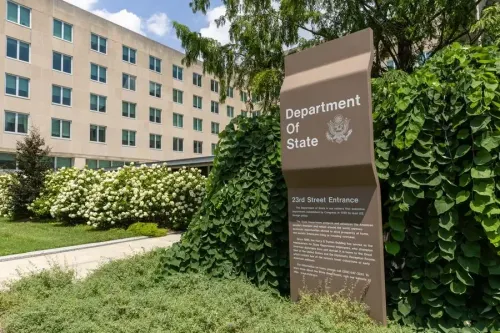
The State Department confirmed that they have instructed non-emergency US government personnel and their family members to exit from several nations due to heightened security risks.
“The Department has ordered the exit of non-emergency US government staff and their families,” the advisory stated in multiple notifications for regional countries.
In the UAE, the advisory level has been elevated from Level 2 to Level 3 due to the risk of armed conflict and terrorism.
US officials cautioned that the Iranian government has openly signaled intentions to target sites in the UAE linked to the United States.
Travel advisories for Jordan and Oman have also been increased to Level 3, citing dangers associated with terrorism and armed conflict as tensions rise throughout the Middle East.
The advisory for Saudi Arabia alerts travelers to the threats of armed conflict, terrorism, and strict enforcement of local regulations, including those governing social media.
Additionally, the advisory noted that previous drone and missile strikes originating from Yemen have targeted urban areas, airports, and energy infrastructure. Americans have been warned about potential exit bans and strict enforcement of local laws.
Kuwait, Bahrain, and Qatar remain at Level 3, as officials indicate ongoing security threats tied to regional unrest.
In Qatar, the US Embassy has halted routine consular services, urging American citizens to depart if feasible.
“Americans in Qatar are strongly advised to exit immediately,” the advisory stated.
The warnings also extend to Pakistan, where the State Department has instructed non-emergency personnel and their families to leave the US consulates in Lahore and Karachi due to security concerns.
The advisory for Pakistan remains at Level 3 -- Reconsider Travel, while areas like Balochistan province, Khyber Pakhtunkhwa province, and regions near the Line of Control are classified at Level 4 -- Do Not Travel due to terrorism and security risks.
Officials have also highlighted risks to aviation throughout the region.
The US Federal Aviation Administration (FAA) has issued warnings advising caution for flights operating in or near the Persian Gulf and its surrounding airspace.
Iraq remains at the highest warning level, with the State Department cautioning that Americans face serious threats, including terrorism, kidnapping, armed conflict, and civil unrest, urging US citizens to leave the country if they are present.
The US travel advisory system ranges from Level 1 -- Exercise Normal Precautions -- to Level 4, which advises Americans against traveling due to extreme security risks.
The recent advisories come amidst rising concerns that the conflict between the United States and Iran may extend throughout the Middle East, impacting civilian aviation, regional security, and international travel routes.
Point of View
The US government's decision to evacuate non-emergency personnel reflects serious security concerns in the Middle East and Pakistan. The escalating tensions with Iran have prompted necessary precautions to ensure the safety of American citizens.
NationPress
19 Sept 2026
Frequently Asked Questions
What prompted the US to order staff evacuation?
The US ordered the evacuation due to rising tensions following hostilities with Iran, which increased security risks in the region.
What is the current travel advisory level for Saudi Arabia?
The travel advisory level for Saudi Arabia has been raised to Level 3 -- Reconsider Travel.
Are there any specific areas in Pakistan under higher travel restrictions?
Yes, Balochistan and Khyber Pakhtunkhwa provinces, along with areas near the Line of Control, are at Level 4 -- Do Not Travel.
What are the risks associated with traveling to the UAE?
Travelers to the UAE face risks of armed conflict and terrorism, prompting an advisory level increase.
How does the US travel advisory system work?
The system ranges from Level 1 -- Exercise Normal Precautions to Level 4 -- Do Not Travel, based on the severity of security risks.