US Increases Travel Warnings for Gulf Nations Amid Iran Conflict
Synopsis
In response to escalating tensions with Iran, the US has raised travel advisories for Bahrain, Qatar, and Kuwait, urging Americans to reconsider their travel plans. Security concerns have led to the authorized departure of non-essential personnel from these regions.
Key Takeaways
US raises travel advisories for Bahrain, Qatar, Kuwait.
Level 3 advisory indicates serious safety concerns.
Security risks include drone and missile threats.
Non-essential personnel authorized to leave these countries.
Travelers advised to exercise heightened caution.
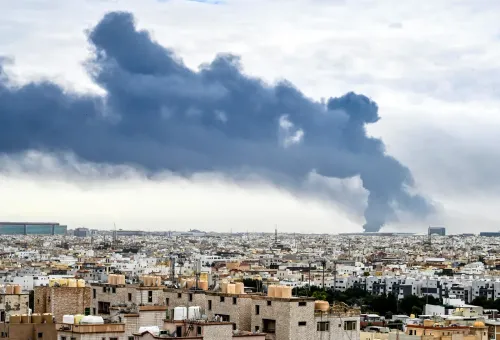
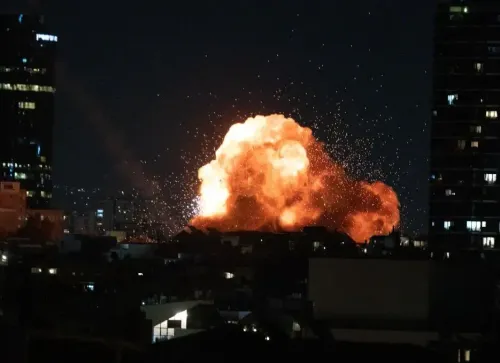
Washington, March 2 (NationPress) The United States has escalated its travel advisories for Bahrain, Qatar, and Kuwait to Level 3, advising Americans to reassess travel. This decision follows the initiation of US combat operations in Iran, which has intensified fears of retaliation and regional instability.
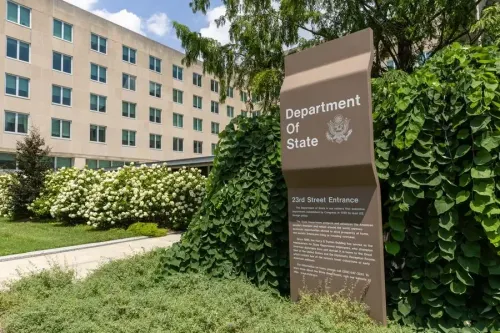
In separate announcements, the State Department revealed it has allowed the departure of non-essential US government employees and their families from these Gulf nations “due to security concerns.”
The advisory for Bahrain was updated on February 28, indicating that the Department sanctioned the exit of non-essential government personnel and their families due to safety issues, raising the advisory level “from Level 2 to Level 3.”
The warning explicitly cautioned: “Reconsider Travel to Bahrain due to terrorism and armed conflict.”
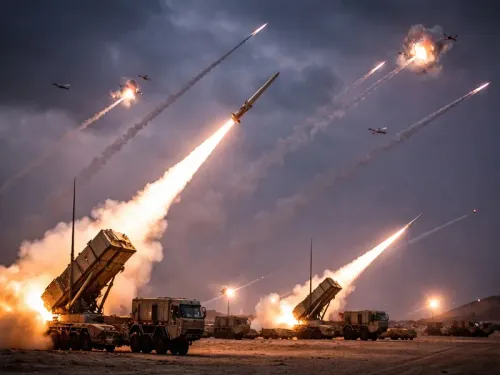
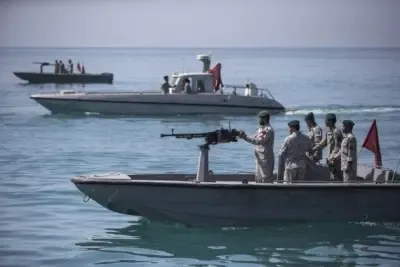
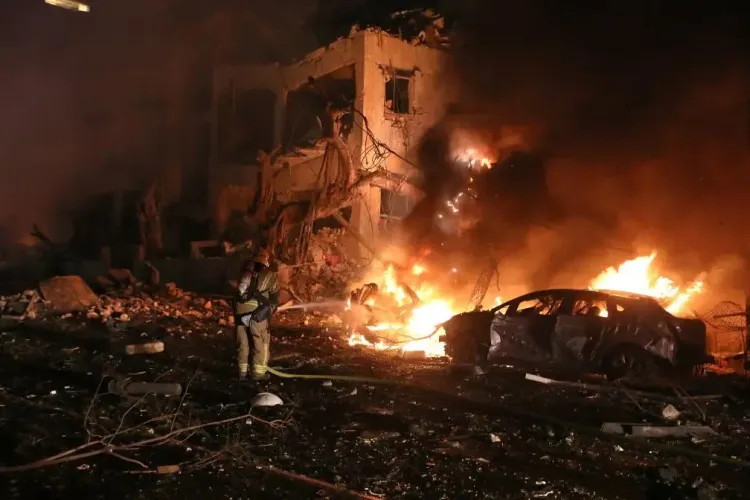
It pointed to a worsening security situation amid the confrontation with Tehran. “Following the start of hostilities between the US and Iran on February 28, there is an ongoing risk of drone and missile strikes from Iran and substantial disruptions to commercial air travel,” the advisory stated. It highlighted that “Terrorist groups continue to plan potential attacks in Bahrain. Attacks may occur with little or no warning.”
The advisory for Qatar, elevated from Level 1 to Level 3 on March 1, echoed similar concerns. “Reconsider Travel to Qatar due to the risk of armed conflict,” the statement asserted, again referencing “the persistent threat of drone and missile attacks from Iran and significant disruptions to commercial flights.”
Additionally, the statement underlined that “The Federal Aviation Administration (FAA) has issued a Notice to Airmen (NOTAM) and/or a Special Federal Aviation Regulation (SFAR) for the area, including Qatar, due to risks to civil aviation stemming from political and military tensions in the region.”
Kuwait was also assigned a Level 3 advisory on the same day. The Department noted that it had “authorized the departure of non-emergency US government personnel and their families from Kuwait due to security concerns.”
The advisory urged: “Reconsider travel to Kuwait due to the threat of armed conflict. Some regions present higher risks. Please read the entire Travel Advisory.”
This echoed the broader regional alert concerning “the ongoing threat of drone and missile assaults from Iran and significant disruptions to commercial flights.” The advisory further stated that “The FAA has issued a Notice to Airmen (NOTAM) or a Special Federal Aviation Regulation (SFAR), addressing the risks to civil aviation from political and military tensions in the Persian Gulf and the Gulf of Oman, including Kuwait.”
Beyond the regional tensions, the Kuwait advisory drew attention to local dangers. Americans were advised to “Exercise increased caution in the Jleeb Al-Shuyoukh area of Kuwait City due to crime” and to “Avoid travel to desert areas near the Iraq border because of residual bombs, shells, and landmines from the 1990 Gulf War.”
These actions followed a broader alert issued on February 28 titled “Worldwide Caution.” “In light of the commencement of US combat operations in Iran, Americans globally, particularly in the Middle East, should adhere to guidance in the latest security alerts provided by the nearest US embassy or consulate,” the Department emphasized. It cautioned that travelers “might face disruptions due to intermittent airspace closures” and advised Americans worldwide to “exercise heightened caution.”
Bahrain hosts the US Navy’s Fifth Fleet, while Qatar is home to Al Udeid Air Base. Kuwait has long been a strategic point for American military operations in the Gulf. A Level 3 advisory—“Reconsider Travel”—indicates serious safety concerns, just one tier below the highest advisory level, which advises against travel altogether.
Point of View
Particularly with Iran. This move highlights the importance of vigilance and preparedness for Americans considering travel to these areas, underscoring the need for updated information from official sources.
NationPress
21 Sept 2026
Frequently Asked Questions
What is the current travel advisory level for Bahrain?
The travel advisory level for Bahrain has been raised to Level 3, urging Americans to reconsider travel due to security concerns.
Why did the US raise travel advisories for Qatar and Kuwait?
Travel advisories for Qatar and Kuwait were raised due to heightened fears of armed conflict and ongoing threats from Iran.
What should travelers be aware of in these Gulf countries?
Travelers should be aware of the ongoing threats of drone and missile attacks, and potential disruptions to commercial flights in the region.
What does a Level 3 travel advisory mean?
A Level 3 travel advisory means that there are serious safety concerns, and travelers are urged to reconsider their plans.
How can I stay updated on security alerts?
Travelers should regularly check for updates from the nearest US embassy or consulate for the latest security alerts.