US and Gulf Nations Denounce Iran's Missile Strikes
Synopsis
In a united front, the US and six Gulf nations have condemned Iran's missile and drone attacks, citing the escalated threat to regional stability. This statement underscores the international community's concerns over Iran's aggressive military actions.
Key Takeaways
US and Gulf nations condemn Iran's missile attacks .
Joint statement highlights effects on multiple sovereign territories .
Accusations of targeting civilians and non-combatants .
Reaffirmation of collective defense and security cooperation .
Importance of regional air defense integration emphasized .
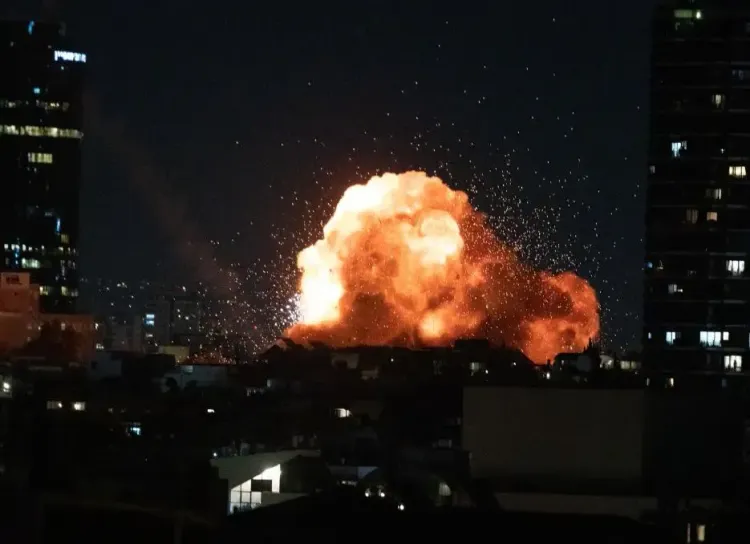
Washington, March 2 (NationPress) The United States, along with six Gulf nations, has issued a strong condemnation of what they termed as “indiscriminate and reckless” missile and drone strikes carried out by the Islamic Republic of Iran throughout the region. They labeled these attacks as a “dangerous escalation” that jeopardizes regional stability.
In a joint statement by the US State Department, the governments of the United States, Bahrain, Jordan, Kuwait, Qatar, the Kingdom of Saudi Arabia, and the United Arab Emirates condemned the assaults on various sovereign nations.
“The United States, along with Bahrain, Jordan, Kuwait, Qatar, the Kingdom of Saudi Arabia, and the United Arab Emirates, vehemently condemns the Islamic Republic of Iran’s indiscriminate and reckless missile and drone attacks against sovereign territories across the region,” the statement declared.
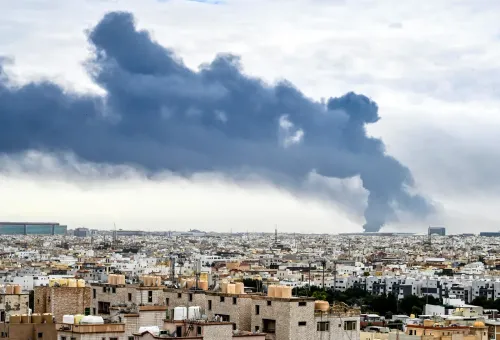
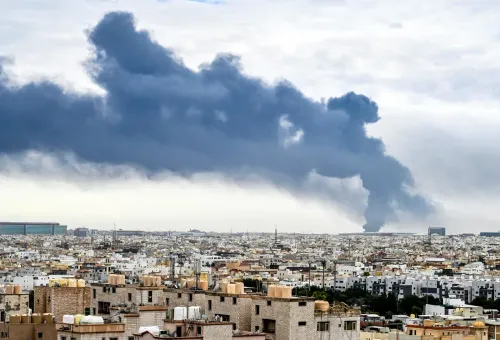
The nations noted that the strikes impacted Bahrain, Iraq (including the Iraqi Kurdistan Region), Jordan, Kuwait, Oman, Qatar, Saudi Arabia, and the UAE.
“These unwarranted strikes targeted sovereign territory, endangered civilian lives, and damaged civilian infrastructure,” the joint statement emphasized.
The statement characterized Tehran’s actions as a clear violation of international norms, asserting, “The Islamic Republic’s actions constitute a perilous escalation that undermines the sovereignty of several nations and poses a threat to regional stability.”
The governments accused Iran of directing its attacks towards nations not directly involved in the conflict.
“The targeting of civilians and nations uninvolved in hostilities is reckless and destabilizing behavior,” the statement added.
The seven nations reiterated their commitment to security cooperation and a collective response strategy.
“We stand united in protecting our citizens, sovereignty, and territory, and reaffirm our right to self-defense in light of these attacks,” the statement proclaimed.
They also acknowledged the importance of coordinated air defense initiatives across the region.
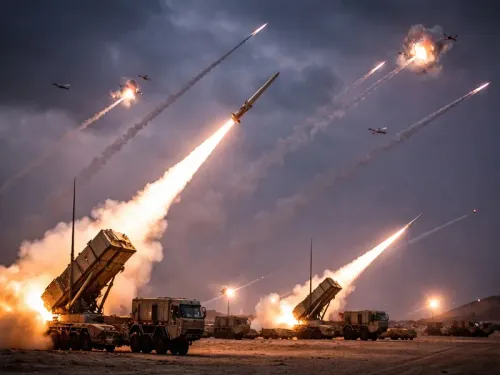
“We remain dedicated to regional security and commend the successful air and missile defense collaboration that has averted greater loss of life and destruction,” it added.
This joint declaration arises amid escalating tensions between Iran and various regional players, with missile and drone warfare becoming a critical aspect of the conflict.
In recent years, Iran has enhanced its missile and unmanned aerial vehicle capabilities, which, according to Western and Gulf officials, have disrupted the security equilibrium in the region. Tehran insists that its missile program is purely defensive.
The United States maintains military installations across the Gulf and has enduring defense partnerships with Bahrain, Qatar, Kuwait, Saudi Arabia, and the UAE. Regional air defense integration has been a crucial element of US strategy in countering missile and drone threats from Iran and aligned groups.
Point of View
The ongoing missile attacks by Iran present a serious challenge to regional peace and security. The collective condemnation by the US and Gulf nations reflects a growing consensus on the need for a unified response to safeguard sovereign territories and civilian lives.
NationPress
29 Sept 2026
Frequently Asked Questions
What prompted the US and Gulf nations to issue a condemnation against Iran?
The US and Gulf nations condemned Iran due to its recent missile and drone attacks, which they described as indiscriminate and a threat to regional stability.
Which countries were affected by Iran's missile strikes?
The missile strikes affected Bahrain, Iraq (including the Iraqi Kurdistan Region), Jordan, Kuwait, Oman, Qatar, Saudi Arabia, and the UAE.
What do the Gulf nations expect from Iran after this condemnation?
The Gulf nations expect Iran to cease its aggressive military actions and adhere to international norms to ensure regional stability.
How has the US responded in terms of military presence in the region?
The United States maintains military bases across the Gulf and has established defense partnerships with several Gulf nations to counter threats from Iran.
What implications do these tensions have for regional security?
The escalating tensions could lead to increased instability in the region, impacting civilian safety and security cooperation among nations.