Gulf Nations Unite Against Iranian Missile Threats, Says Pentagon
Synopsis
In a significant escalation of the Middle East conflict, Gulf nations are collaborating to intercept Iranian missile and drone attacks. This united response emphasizes the seriousness of regional security concerns amid ongoing hostilities.
Key Takeaways
Gulf nations are actively intercepting Iranian attacks.
Collaboration with US military enhances regional defense.
Iranian threats target civilian and energy infrastructure.
Operation Epic Fury signifies US response to rising tensions.
Combined air defense systems improve interception capabilities.
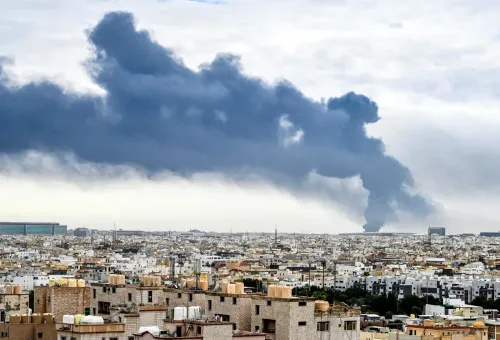
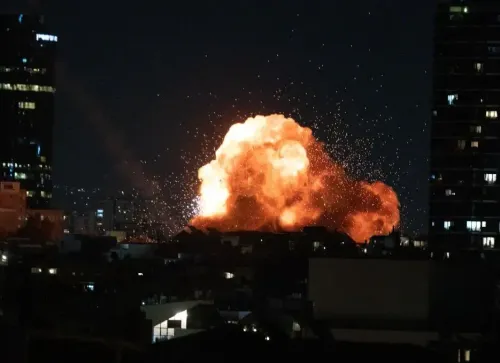
Washington, March 4 (NationPress) A coalition of Gulf nations has initiated defensive measures against Iranian missile and drone assaults as the escalating conflict in the Middle East continues, according to high-ranking US military officials on Tuesday. This development underscores the increasing collective action among regional allies in response to Tehran's attacks on both civilian and energy infrastructures.
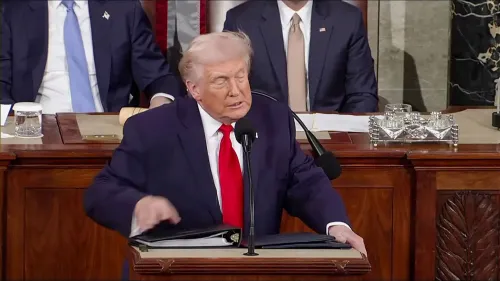
During a Pentagon press briefing, Air Force General Dan Caine, Chairman of the Joint Chiefs of Staff, noted that numerous US partners in the region have successfully intercepted Iranian projectiles that were directed towards urban centers and critical facilities.
“Our allies are stepping up to protect themselves in tandem with us,” Caine remarked.
He mentioned that countries such as Jordan, Bahrain, Saudi Arabia, the United Arab Emirates, Qatar, and Kuwait have all actively engaged Iranian aerial threats throughout the ongoing conflict.
“Jordanian air defense teams recently thwarted a series of Iranian one-way attack drones that were heading towards Amman,” Caine stated.
Bahrain’s air defense systems have also neutralized a drone that was aimed at maritime facilities.
“Bahrain’s air defense units successfully intercepted an incoming drone targeting the maritime infrastructure of Manama, safeguarding both their citizens and essential shipping routes,” he added.
Saudi Arabia, a pivotal oil producer in the area, has intercepted missiles that were directed at its energy installations.
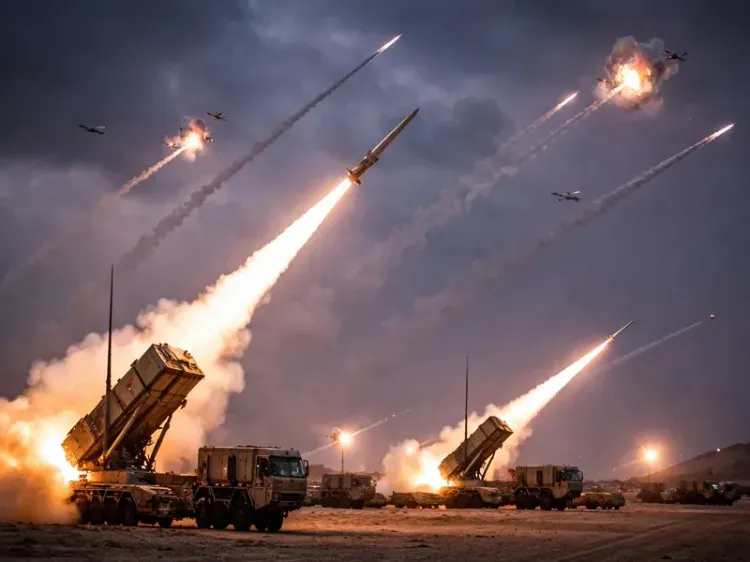
“Saudi Patriot batteries successfully halted a wave of ballistic missiles targeting energy facilities near Dhahran,” Caine confirmed.
The United Arab Emirates (UAE) has also neutralized several drone attacks aimed at industrial infrastructure in Abu Dhabi.
“The UAE effectively neutralized multiple drones targeting the industrial zone of Abu Dhabi, showcasing both speed and precision,” he noted.
Qatar, home to a significant US military base, has also played a direct role in the defensive efforts.
“For the first time, Qatari fighter jets shot down two Iranian bombers that were approaching their territory,” Caine said.
US officials remarked that the expanding regional air defense initiative reflects heightened alarm among Gulf nations regarding Iranian strikes on civilian areas and economic frameworks.
Secretary of War Pete Hegseth stated that several regional countries are now collaborating more closely with the United States as the situation develops.
“What we are witnessing is a regional response to Iran’s aggression and its willingness to target civilian airports, hotels, and the oil infrastructure of its Gulf neighbors,” Hegseth stated.
He added that these nations are providing various forms of operational assistance.
“Whether it’s the UAE, Qatar, Bahrain, Kuwait, or Saudi Arabia, they are reaching out to us at different levels—whether they’re transitioning to offensive operations, providing additional access, or facilitating overflights,” he said.
The Pentagon highlighted that the integrated air defense network, which combines US systems with regional capabilities, has effectively intercepted a substantial number of Iranian missiles and drones during this conflict.
“The air defense capabilities of these countries are substantial, and when integrated with ours, it streamlines the engagement process, ensuring that we use fewer munitions while increasing our effectiveness,” Hegseth explained.
The United States initiated Operation Epic Fury four days prior, following rising tensions with Iran over missile strikes and Tehran's nuclear aspirations.
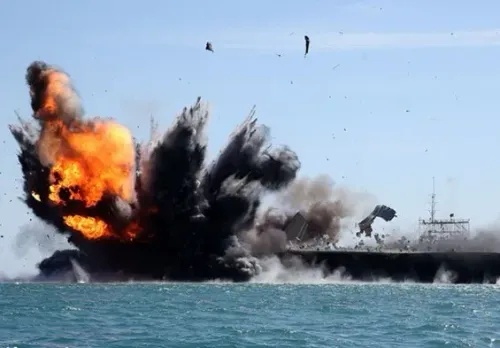
The conflict has already expanded across various domains, including air, sea, and missile warfare, with US forces targeting Iranian missile launch sites, naval assets, and military infrastructure.
The escalating involvement of Gulf states highlights the regional aspect of the conflict and the threats posed by Iranian missile and drone strikes to energy infrastructure and shipping routes throughout the Middle East.
Point of View
They demonstrate a commitment to protecting their sovereign interests and civilian populations from external aggression, emphasizing the need for unity in the face of adversity.
NationPress
20 Sept 2026
Frequently Asked Questions
What prompted the Gulf nations to enhance their defense operations?
The increasing Iranian missile and drone attacks targeting civilian and energy infrastructure prompted Gulf nations to enhance their defensive operations.
Which countries are involved in these defensive measures?
Countries involved include Jordan, Bahrain, Saudi Arabia, the United Arab Emirates, Qatar, and Kuwait.
What actions have these nations taken against Iranian threats?
These nations have successfully intercepted multiple Iranian missiles and drones aimed at their cities and critical facilities.
How has the US contributed to these defense efforts?
The US has provided operational support and integrated air defense capabilities to bolster the regional defense network.
What is Operation Epic Fury?
Operation Epic Fury is a US military initiative launched in response to escalating tensions with Iran over missile attacks and nuclear ambitions.