Kuwait air defences intercept Iranian drones; Bahrain, Jordan also targeted
Synopsis
Three countries — Kuwait, Bahrain, and Jordan — intercepted Iranian drones and missiles on the same day, 16 July, in what marks one of the most geographically broad aerial escalations by Iran against its neighbours. Kuwait has formally held Tehran fully responsible; Bahrain called the pattern 'systematic'. The Gulf is now on maximum alert.
Key Takeaways
Kuwait's air defence systems intercepted hostile drones on 16 July ; the Ministry of Foreign Affairs held Iran fully responsible.
The Bahrain Defence Force (BDF) intercepted and destroyed Iranian aerial attacks on the same day, describing Iran's conduct as a 'systematic hostile approach'.
Jordan's air defences shot down eight Iranian missiles targeting the kingdom; no casualties or material damage were reported.
All three countries confirmed their armed forces remain at the highest levels of readiness .
Kuwait warned that continued strikes against GCC states would further escalate tensions and undermine regional security.
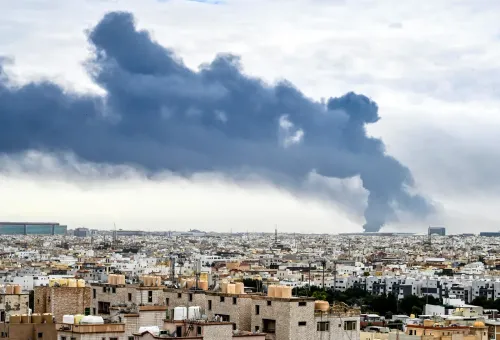
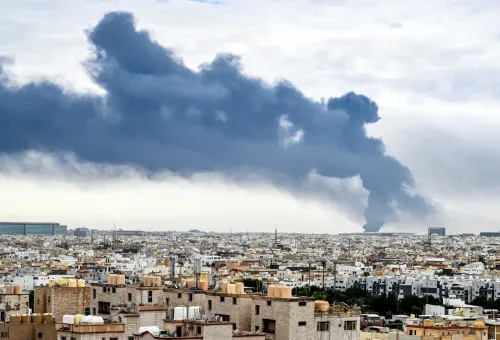
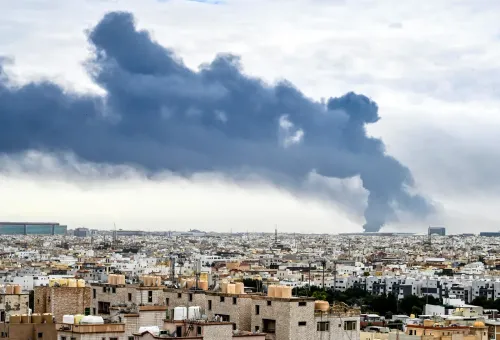
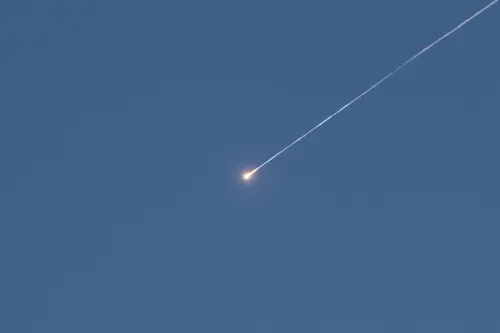
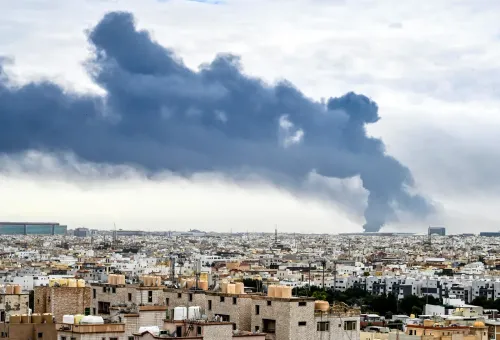
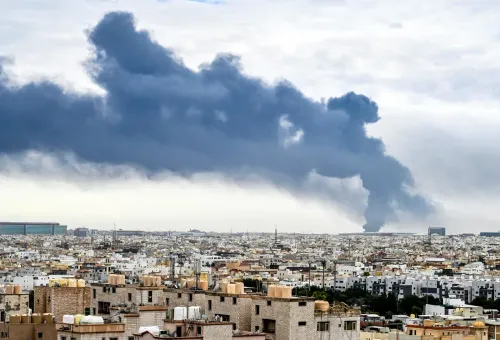
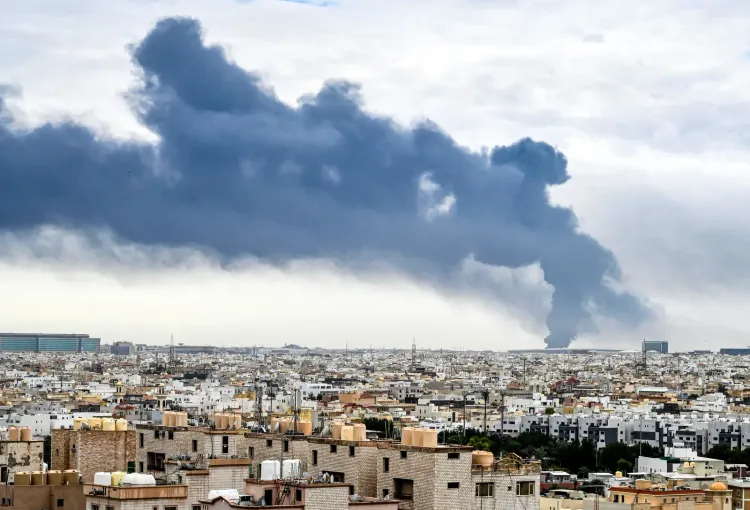
Kuwait's armed forces confirmed on Thursday, 16 July that the country's air defence systems were actively intercepting hostile drones, with the Ministry of Foreign Affairs directly condemning Iran's 'continued aggression' against Kuwaiti territory. The incidents form part of a wider wave of Iranian aerial attacks that struck multiple Gulf Cooperation Council (GCC) states on the same day.
Kuwait's Air Defences Respond
The General Staff of the Kuwaiti Armed Forces posted a statement on X confirming that explosions heard across parts of the country were the result of air defence systems engaging hostile drones. The military did not immediately disclose the number of drones intercepted, their precise origin, or whether the attacks caused any casualties or material damage.
Kuwait's foreign ministry went further, holding Iran 'fully responsible' for the attacks and their consequences. It warned that continued strikes against Kuwait and other GCC member states would further escalate regional tensions and undermine security and stability across the Gulf.
Bahrain Reports Interceptions, Condemns 'Systematic' Attacks
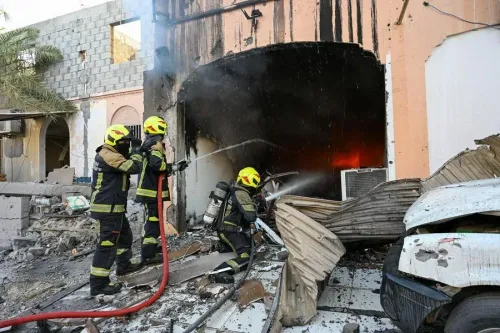
The General Command of the Bahrain Defence Force (BDF) separately confirmed on Thursday that its air defence systems had intercepted and destroyed new Iranian aerial attacks targeting the kingdom. In its statement, the BDF described Iran's conduct as a 'systematic hostile approach' involving missile and drone strikes aimed at civilians.
The BDF confirmed that all units remain at the highest levels of readiness and full defensive preparedness. The public was urged to exercise caution and avoid approaching or handling any unfamiliar or suspicious objects that may be remnants of the attacks.
Jordan Shoots Down Eight Iranian Missiles
Earlier on the same day, Jordan's air defence systems intercepted and shot down eight Iranian missiles targeting the kingdom, according to a statement from the Jordan Armed Forces. No casualties or material damage were reported.
Royal Engineering Corps teams dealt with missile debris that fell at several locations, securing the sites in accordance with approved technical and security procedures. The Jordan Armed Forces stressed that they remain at the highest level of readiness, continuously monitoring the kingdom's airspace and prepared to respond to any threat under approved rules of engagement.
Regional Implications
The simultaneous targeting of Kuwait, Bahrain, and Jordan on 16 July marks a significant escalation in Iran's aerial campaign against its neighbours. This comes amid already-heightened tensions across the Middle East, with multiple GCC states now on maximum defensive alert. The coordinated nature of the attacks — spanning three countries in a single day — signals a sharp deterioration in regional security that will likely prompt urgent consultations among Gulf states and their international partners.
Point of View
Bahrain, and Jordan — in a single day is not a stray escalation; it is a pattern. What is striking is that Kuwait, historically cautious in its public posture toward Iran, has now moved to formally assign full state responsibility to Tehran. That diplomatic shift matters as much as the interceptions themselves. The GCC's collective silence on a unified response remains conspicuous, and the absence of any international mediation signal suggests this escalation cycle has no immediate off-ramp.
NationPress
15 Oct 2026
Frequently Asked Questions
What happened in Kuwait on 16 July?
Kuwait's armed forces confirmed on 16 July that air defence systems were intercepting hostile drones, with explosions heard across parts of the country. The Ministry of Foreign Affairs condemned the attacks as Iranian aggression and held Tehran fully responsible.
Which other countries were targeted in the same wave of attacks?
Bahrain and Jordan were also targeted on the same day. The Bahrain Defence Force intercepted and destroyed Iranian aerial attacks, while Jordan's air defences shot down eight Iranian missiles with no reported casualties or damage.
Did the attacks cause any casualties or damage?
Kuwait's military did not immediately confirm casualties or damage. Jordan reported no casualties or material damage. Bahrain did not specify casualty figures but confirmed interceptions were successful.
What was Kuwait's diplomatic response?
Kuwait's Ministry of Foreign Affairs condemned Iran's 'continued aggression' as a flagrant violation of sovereignty and warned that continued strikes against Kuwait and GCC states would escalate tensions and undermine regional stability.
How did Bahrain describe Iran's conduct?
The Bahrain Defence Force described Iran's aerial attacks as a 'systematic hostile approach' targeting civilians through missiles and drones, and confirmed all units remain at the highest levels of readiness.