Kejriwal visits Jantar Mantar to back Wangchuk's Ladakh campaign
Synopsis
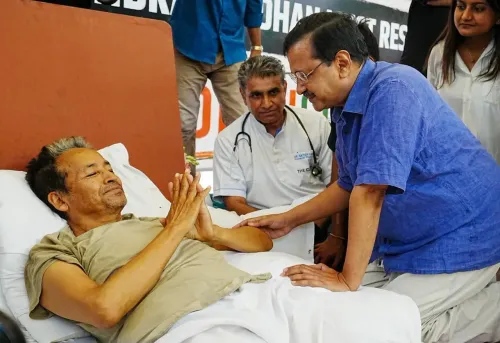
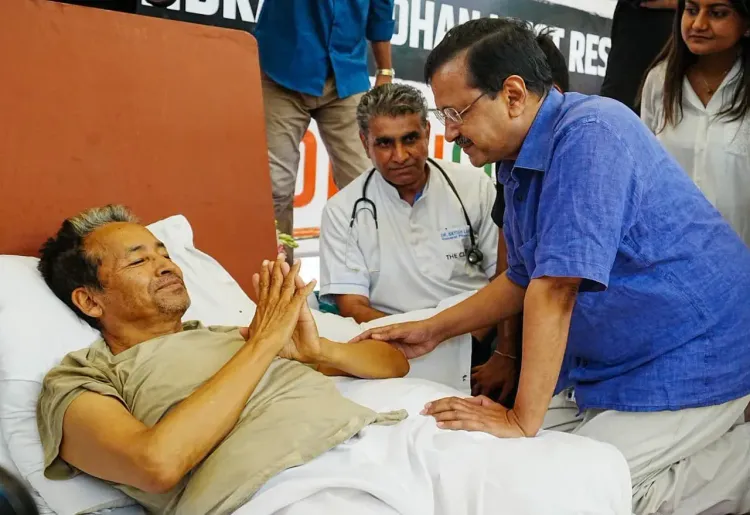
AAP convenor Arvind Kejriwal visited Jantar Mantar on 16 July 2026 to back Sonam Wangchuk's campaign for Sixth Schedule protections for Ladakh, saluting the activist's resolve in a post on X.
Key Takeaways
Arvind Kejriwal visited Jantar Mantar on 16 July 2026 to publicly support Sonam Wangchuk's ongoing campaign.
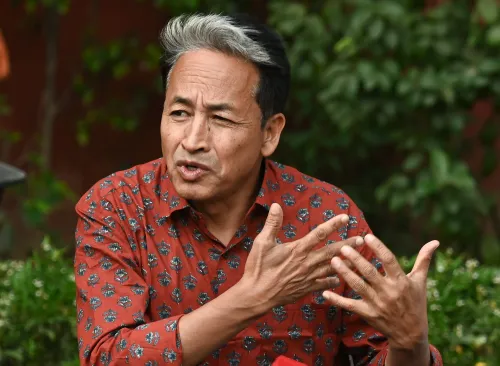
Sonam Wangchuk is a Ladakhi engineer and climate activist known for ice stupas and leading demands for Sixth Schedule status for Ladakh.
Ladakh was made a Union Territory without a legislature in August 2019 after the abrogation of Article 370 .
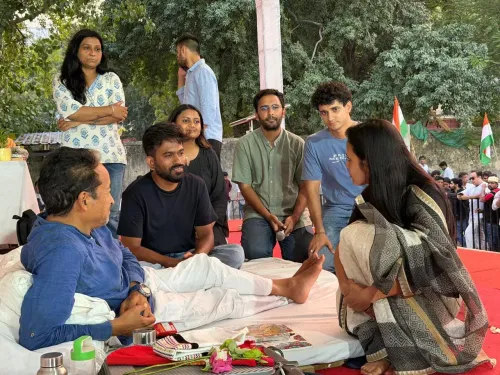
Wangchuk has led hunger strikes and marches since 2023 seeking constitutional protections for Ladakh's land, jobs, and culture.
Kejriwal's visit continues a pattern of national opposition figures lending visibility to the Ladakh autonomy campaign.
Any progress on a constitutional amendment granting Sixth Schedule protections to Ladakh remains the key development to watch.
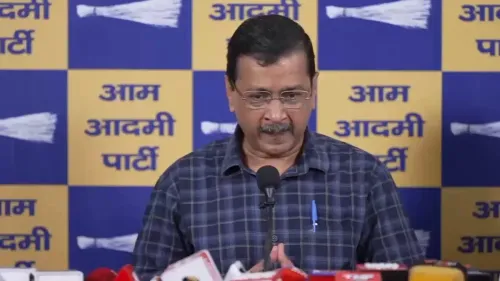
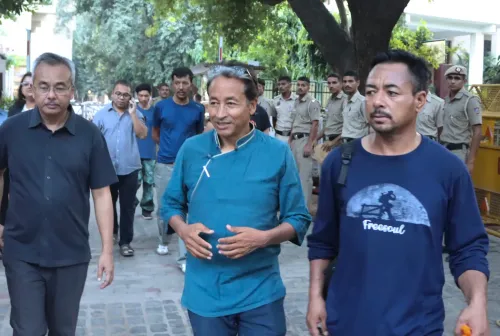
AAP convenor Arvind Kejriwal visited Jantar Mantar in New Delhi on Thursday, 16 July 2026, to express solidarity with Sonam Wangchuk, the Ladakhi engineer and climate activist leading an ongoing campaign for constitutional protections for Ladakh. Kejriwal described the visit as a personal show of support, saluting Wangchuk's resolve.
Context
Kejriwal posted on X in Hindi: 'Aaj Jantar Mantar jakar Sonam Wangchuk ji ke sangharsh ka samarthan kiya. Unke hausle ko mera salaam.' ['Today I went to Jantar Mantar to support the struggle of Sonam Wangchuk ji. My salute to his courage.'] The post was accompanied by an image from the site. Jantar Mantar, the historic observatory in central Delhi, has served as the capital's primary designated protest venue since the 1990s.
Sonam Wangchuk is widely recognised for his work on ice stupas — artificial glaciers designed to address water scarcity in high-altitude Ladakh — and for sustained civil-society campaigns demanding federal safeguards for the region's land, jobs, and culture.
Policy Backdrop
Ladakh was granted Union Territory status without a legislature in August 2019, following the abrogation of Article 370 that reorganised the former state of Jammu and Kashmir. Residents and civil-society groups have since pressed for inclusion under the Sixth Schedule of the Constitution, which would give tribal communities greater autonomy over land and resources.
Wangchuk led hunger strikes and long marches in 2023 and 2024 demanding Sixth Schedule protections alongside limits on unchecked tourism and mining activity. Those campaigns drew national attention and prompted intermittent engagement with the Ministry of Home Affairs, though a formal constitutional amendment has not materialised.
Stakeholders and Impact
The demands resonate most directly with Ladakhi residents, indigenous communities, and climate activists who argue that the region's fragile ecology and cultural fabric face mounting pressure without legislative safeguards. Environmental groups have separately flagged the impact of rapid infrastructure expansion on Ladakh's high-altitude ecosystems.
Kejriwal's visit fits a broader pattern of national opposition figures publicly backing Ladakh-specific demands, lending the campaign visibility beyond its regional base. AAP, whose core electoral ground is Delhi and Punjab, has periodically extended support to autonomy movements in other parts of the country.
What's Next
Attention will now turn to whether Kejriwal's public backing prompts further engagement from other opposition leaders or accelerates any dialogue between Ladakh civil-society groups and the central government. Any movement on draft constitutional amendments covering Sixth Schedule status for Ladakh would mark the most significant development in the campaign to date.
For now, the visit signals that Wangchuk's struggle retains the ability to draw prominent national political figures to its cause — keeping pressure on the government ahead of any potential legislative session discussions on Ladakh's constitutional status.
Point of View
And high-profile visits from opposition leaders sustain media pressure without advancing a formal resolution. For AAP, whose influence is concentrated in Delhi and Punjab, backing a pan-India cause like Ladakh's autonomy also serves a broader image-building purpose as a party that speaks to federal and environmental concerns. The central government's response, or continued silence, will determine whether such gestures accumulate into genuine political cost.
NationPress
16 Jul 2026
Frequently Asked Questions
Why did Arvind Kejriwal visit Jantar Mantar on 16 July 2026?
Kejriwal visited Jantar Mantar to publicly support Sonam Wangchuk's campaign for constitutional protections, including Sixth Schedule status, for Ladakh.
What is Sonam Wangchuk fighting for?
Sonam Wangchuk is demanding that Ladakh be included under the Sixth Schedule of the Indian Constitution, which would give its tribal communities greater autonomy over land, jobs, and resources, along with environmental safeguards against unchecked tourism and mining.
What is the Sixth Schedule and why does Ladakh want it?
The Sixth Schedule provides for autonomous district councils that protect the rights of tribal communities over land and governance. Ladakhi activists argue this protection is essential since the region lost its legislature when it became a Union Territory in 2019.
What happened to Ladakh after Article 370 was abrogated?
In August 2019, Ladakh was carved out as a Union Territory without a legislature, separating it from Jammu and Kashmir. This reorganisation removed the legislative protections residents previously had over land and employment.
Has Sonam Wangchuk held protests before this?
Yes. Wangchuk led hunger strikes and large marches in 2023 and 2024 demanding Sixth Schedule status and environmental limits on development in Ladakh, drawing national attention and intermittent engagement with the Ministry of Home Affairs.