Kuwait airspace reopens after Iranian strikes on US bases trigger closure

Synopsis
Kuwait's airspace was shut and its air defences activated after Iran's IRGC claimed strikes on 18 US military targets across the Middle East — including the Ali Al Salem Air Base in Kuwait. The closure lasted hours before being lifted, but the episode marks a dangerous new phase in the US-Iran confrontation being fought on Gulf sovereign soil.
Key Takeaways
Kuwait reopened its airspace on 11 June after a temporary closure triggered by regional military escalation.
Iran's IRGC claimed strikes on 18 US military targets across the Middle East, including the Ali Al Salem Air Base in Kuwait and the US Fifth Fleet headquarters in Bahrain.
The strikes were described by Iran as retaliation for US attacks on Qeshm Island and Sirik County in southern Iran.
Kuwait and Bahrain condemned the attacks as a 'flagrant violation' of sovereignty and a breach of Security Council Resolution 2817 .
Bahrain called on Iran to halt attacks and fully reopen the Strait of Hormuz .
Both nations had previously condemned similar Iranian strikes as early as 6 June , indicating a pattern of repeated escalation.
Kuwait reopened its airspace and resumed normal flight operations on Thursday, 11 June, after the Directorate General of Civil Aviation (DGCA) lifted precautionary restrictions imposed amid a sharp escalation in regional tensions involving Iran, the United States, and Gulf states. The closure had been triggered after Iran's Islamic Revolutionary Guard Corps (IRGC) claimed strikes on 18 US military targets across the Middle East, including airbases in Kuwait and Bahrain.
Airspace Restored, Flights Resume
The DGCA confirmed that air traffic in Kuwaiti airspace had returned to normal following what it described as the resolution of circumstances that prompted the temporary closure. Operations at Kuwait International Airport resumed in accordance with approved flight schedules, with airlines returning to normal service. The authority said it was monitoring developments around the clock in coordination with domestic and international bodies to ensure the highest levels of safety and security.
What Triggered the Closure
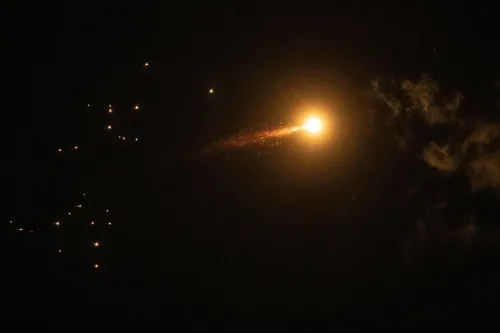
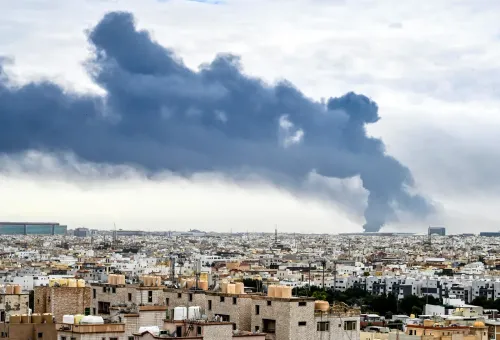
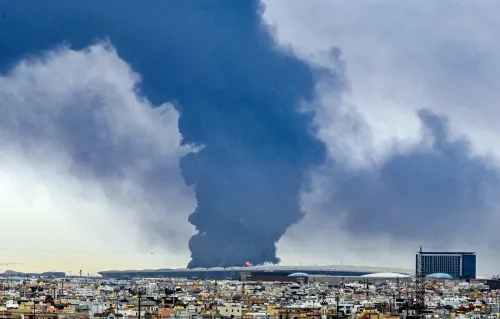
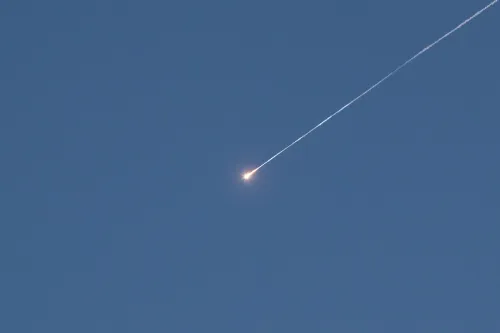
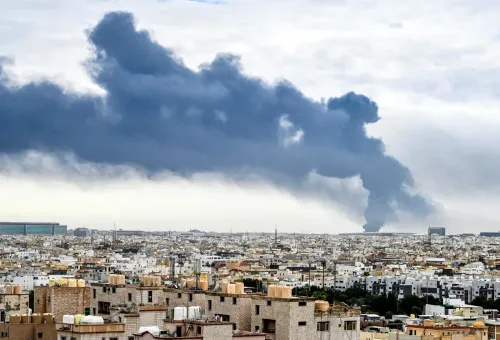
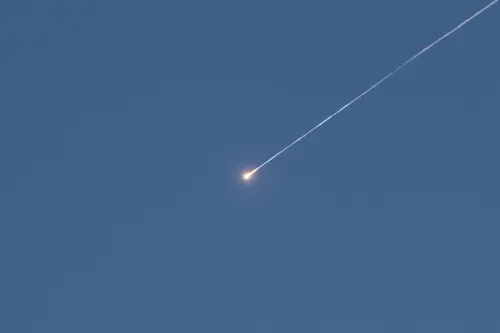
Earlier on Thursday, Kuwait had temporarily closed its airspace and diverted flights after the Kuwaiti Army General Staff announced that air defence systems were actively intercepting hostile aerial targets to protect the country's airspace and vital infrastructure. The developments came in the wake of fresh US strikes on Iran, which prompted retaliatory IRGC attacks against American military installations across the region. The IRGC specifically confirmed targeting the Ali Al Salem Air Base in Kuwait and the US Fifth Fleet headquarters in Bahrain, citing retaliation for earlier US strikes on Qeshm Island and Sirik County in southern Iran.
Kuwait and Bahrain Condemn the Attacks
Kuwait on Wednesday condemned what it described as a renewed attack on its territory, calling it a dangerous escalation threatening civilian lives and critical infrastructure. Kuwait's Foreign Ministry said on X that the strikes constituted a 'flagrant violation' of Kuwait's sovereignty, security, and territorial integrity, as well as a breach of international law, the UN Charter, and Security Council Resolution 2817. 'The attacks cannot be justified or accepted under any pretext,' the ministry stated. Bahrain's Foreign Ministry similarly condemned the strikes, calling them a threat to the security and stability of the Gulf region, and demanded that Iran halt its attacks, fully reopen the Strait of Hormuz, and respect freedom of maritime navigation under international law.
A Pattern of Escalation
This is not an isolated incident. On 6 June, both Kuwait and Bahrain had already condemned earlier Iranian attacks on their territories, describing them as a flagrant violation of sovereignty and a dangerous escalation threatening regional stability. The recurrence signals a deepening cycle of US-Iran confrontation being played out across Gulf sovereign territory — a development that carries serious implications for civilian aviation, energy infrastructure, and the broader security architecture of the region. Notably, Iran maintained that its operations targeted exclusively US military facilities, not Kuwaiti or Bahraini state assets, a distinction Kuwait and Bahrain have firmly rejected.
What Happens Next
With airspace restored, the immediate operational crisis has eased, but the underlying tensions remain unresolved. Regional authorities and international aviation bodies are expected to keep contingency protocols on standby. The Strait of Hormuz — a critical chokepoint for global oil shipments — remains a focal point, with Bahrain's call for its full reopening underscoring the economic stakes of any prolonged escalation.
Point of View
And a foreign power claimed strikes on a sovereign nation's military installations. Kuwait and Bahrain are caught in a US-Iran confrontation they did not choose, and their repeated condemnations — however forceful — have not deterred repeat incidents. The invocation of Security Council Resolution 2817 signals an intent to internationalise the dispute, but with the UN Security Council paralysed on Iran-related matters, the diplomatic off-ramp remains unclear. The Strait of Hormuz dimension adds an energy-market variable that the world cannot afford to ignore.
NationPress
26 Oct 2026
Frequently Asked Questions
Why did Kuwait close its airspace on 11 June?
Kuwait temporarily closed its airspace on 11 June after Iran's IRGC launched strikes on US military targets in the region, including the Ali Al Salem Air Base in Kuwait. The Kuwaiti Army activated air defence systems to intercept hostile aerial targets before the situation was resolved and the airspace was reopened.
What did Iran's IRGC claim to have struck?
The IRGC said it struck 18 US military targets across Middle Eastern countries, specifically confirming hits on the Ali Al Salem Air Base in Kuwait and the US Fifth Fleet headquarters in Bahrain. Iran described the strikes as retaliation for US attacks on Qeshm Island and Sirik County in southern Iran.
How did Kuwait and Bahrain respond to the Iranian attacks?
Both countries condemned the strikes as flagrant violations of their sovereignty and dangerous escalations threatening regional stability. Kuwait's Foreign Ministry cited breaches of international law, the UN Charter, and Security Council Resolution 2817, while Bahrain called on Iran to stop attacks and reopen the Strait of Hormuz.
Is this the first time Iran has struck targets in Kuwait and Bahrain?
No. As early as 6 June, both Kuwait and Bahrain had condemned earlier Iranian attacks on their territories. The 11 June incident represents a continuation of a pattern of escalation linked to the broader US-Iran military confrontation in the region.
What is the significance of the Strait of Hormuz in this context?
Bahrain's demand that Iran fully reopen the Strait of Hormuz highlights the economic stakes of the conflict. The strait is a critical chokepoint for global oil shipments, and any prolonged disruption would have significant consequences for energy markets worldwide.