Iran attacks Kuwait: Firefighters injured, airport disrupted on July 18

Synopsis
Kuwait came under sustained Iranian missile and drone attack on 18 July, with firefighters injured battling blazes at two struck sites, the international airport forced to suspend flights, and a power and desalination plant knocked out — all while a US-Iran diplomatic framework signed just weeks earlier was supposed to be cooling tensions.
Key Takeaways
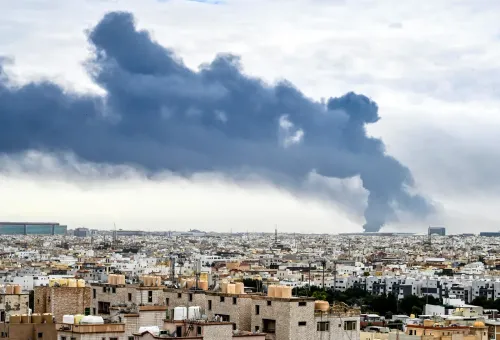
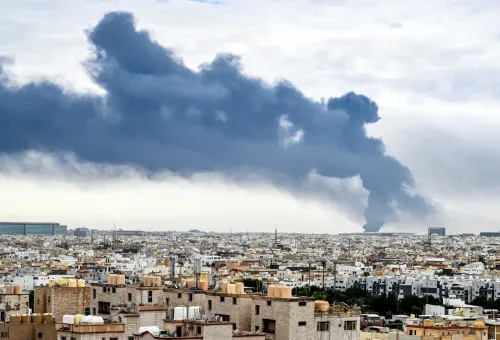
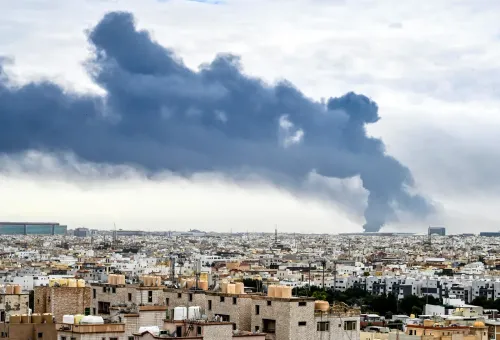
Several Kuwaiti firefighters and a civilian worker were injured battling fires at two sites hit in Iranian strikes on 18 July .
Kuwait's air defences intercepted hostile missiles and drones; warning sirens sounded across the country for the fourth time .
Kuwait International Airport temporarily suspended takeoff and landing; Kuwait Airways rescheduled most flights.
A power generation and water desalination plant was struck, triggering a fire and forcing precautionary shutdown of several generating units.
The attacks come despite a US-Iran memorandum of understanding signed in mid-June aimed at opening negotiations within 60 days .
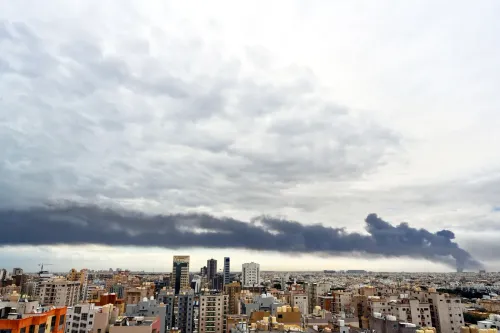
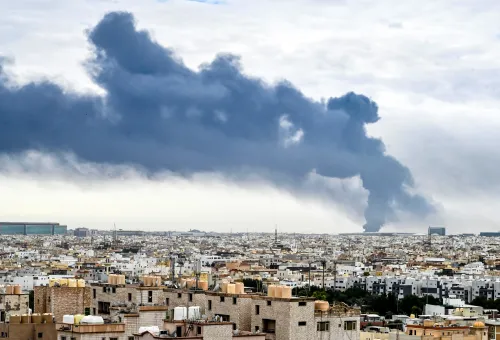
Several Kuwaiti firefighters and a civilian worker were injured on Saturday, 18 July while battling fires at two sites struck in Iranian attacks on Kuwait, authorities confirmed. The strikes triggered fires, disrupted operations at Kuwait International Airport, and knocked out a power generation and water desalination plant, marking a sharp escalation in regional hostilities.
Firefighting Operations and Casualties
The Kuwait Fire Force said in a statement on social media platform X that five crews were deployed to the first targeted site and three crews to the second. Injuries were reported at the first location, and the wounded were transferred to hospitals. The Fire Force did not disclose the severity of injuries or identify the exact locations of the two sites, noting that firefighting operations were still underway and further updates would follow.
Air Defences Intercept Missiles and Drones
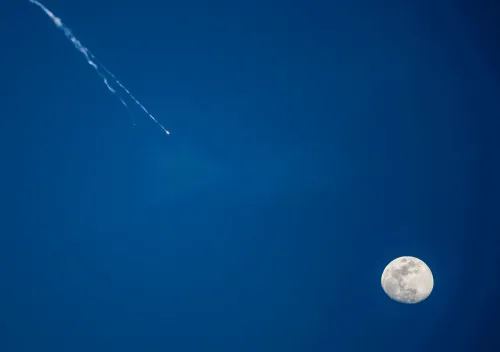
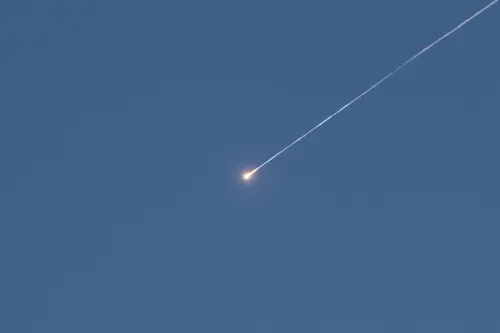
Hours before the fires were reported, Kuwait said its air defence systems had intercepted 'hostile' missiles and drones during fresh attacks early Saturday. The General Staff of the Kuwaiti Army confirmed on X that explosions heard across parts of the country were caused by air defence systems engaging hostile targets, adding that the military was continuing to respond. Warning sirens were sounded across the country for the fourth time, according to the state news agency KUNA, as authorities managed the evolving security situation. The army urged the public to 'adhere to safety and security instructions issued by the relevant authorities.'
Airport Suspended, Kuwait Airways Reschedules Flights
Kuwait International Airport temporarily suspended takeoff and landing operations due to the ongoing missile and drone attacks. Kuwait Airways subsequently announced it had rescheduled most of its flights. The disruption added to the civilian impact of what authorities described as a sustained and multi-pronged assault.
Power Plant Hit, Electricity Conservation Urged
Kuwait's Ministry of Electricity, Water and Renewable Energy confirmed that a power generation and water desalination plant was struck in a separate attack, triggering a fire. Several generating units were shut down as a precaution to protect the facility and maintain the stability of the national power grid. Emergency response and repair teams were deployed. The ministry called on citizens to conserve electricity, particularly during peak hours between 11:00 am and 5:00 pm local time (0800–1400 GMT).
Regional Context: US-Iran Deal Under Strain
The attacks come despite a US-Iran memorandum of understanding signed in mid-June, under which both sides were expected to hold negotiations within 60 days toward a final agreement. The strikes on Kuwait suggest that diplomatic framework has so far failed to contain Iranian military activity in the region. This is the fourth time sirens have sounded across Kuwait in the current escalation cycle, underlining the scale and persistence of the threat. The situation remains fluid, with Kuwaiti authorities continuing operations and promising further updates.
Point of View
Specifically a power and desalination plant in a water-scarce country, signals a deliberate pressure strategy that goes beyond military posturing. If the 60-day negotiation window closes without a binding agreement, the region's smaller Gulf states face an acute security dilemma with limited room to manoeuvre between Washington and Tehran.
NationPress
16 Oct 2026
Frequently Asked Questions
What happened in Kuwait on 18 July 2025?
Iran launched missile and drone attacks on Kuwait on 18 July, striking at least two sites that caught fire, hitting a power generation and water desalination plant, and prompting Kuwait International Airport to temporarily suspend operations. Several Kuwaiti firefighters and a civilian worker were injured.
Were Kuwait's air defences able to intercept the attacks?
Yes. The Kuwaiti Army confirmed that air defence systems intercepted hostile missiles and drones, with the resulting explosions heard across parts of the country. Warning sirens were sounded for the fourth time as operations continued.
How were flights affected at Kuwait International Airport?
Kuwait International Airport temporarily suspended all takeoff and landing operations due to the ongoing attacks. Kuwait Airways announced it had rescheduled most of its flights as a result.
What was the impact on Kuwait's power and water supply?
A power generation and water desalination plant was struck and caught fire. Several generating units were shut down as a precaution to protect the facility and stabilise the national power grid. The Ministry of Electricity urged citizens to conserve power, especially between 11:00 am and 5:00 pm local time.
How does this fit into the broader US-Iran diplomatic situation?
The attacks occurred despite a US-Iran memorandum of understanding signed in mid-June, under which both sides were expected to begin negotiations within 60 days toward a final agreement. The strikes suggest that framework has not yet restrained Iranian military activity in the region.