Kuwait soldiers injured, power plant hit in Iranian drone attacks
Synopsis
Iran's IRGC launched coordinated drone and missile strikes on Kuwait on 17 July, injuring soldiers, destroying military infrastructure, and setting a power and desalination plant ablaze — all while a US-Iran peace memorandum signed just weeks earlier was supposed to be holding. The IRGC framed the strikes as waves 11 through 13 of Operation Nasr-2, targeting US military assets on Kuwaiti soil.
Key Takeaways
Kuwait's armed forces confirmed soldier injuries from 'hostile' drone strikes on 17 July targeting multiple army facilities and camps.
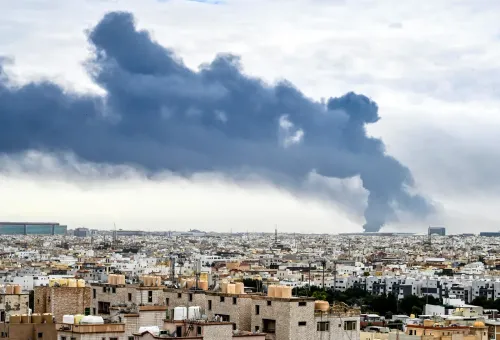
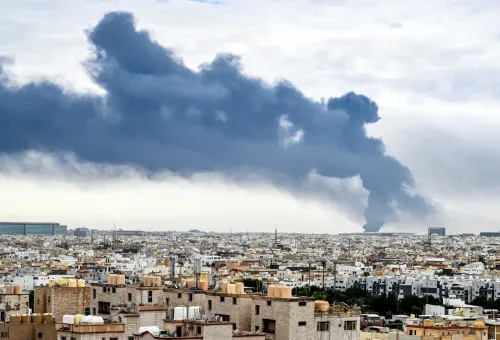
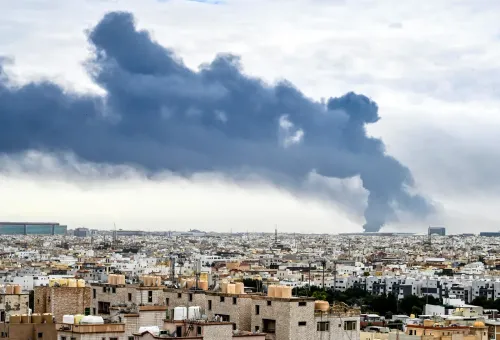
A power generation and water desalination plant was struck, triggering a fire that caused 'extensive damage' before being brought under control.
The IRGC claimed the attacks as waves 11, 12, and 13 of Operation Nasr-2 , also targeting US assets in Syria and radar sites in Oman .
The IRGC said it hit a missile defence radar , 'several US weapons depots,' and two HIMARS launchers in Kuwait, causing a large fire at a US-hosted base.
Kuwait's Foreign Ministry condemned the attacks as a violation of sovereignty and international law.
The strikes occurred despite a US-Iran peace memorandum signed in mid-June that envisaged negotiations within 60 days .
Several members of Kuwait's armed forces were injured and a power generation and water desalination plant was struck and set ablaze on Friday, 17 July, after Iran launched a series of drone and missile attacks on Kuwaiti military and civilian infrastructure. Kuwaiti authorities confirmed the incidents, marking one of the most direct confrontations between the two Gulf neighbours in recent memory.
Military Facilities and Army Personnel Targeted
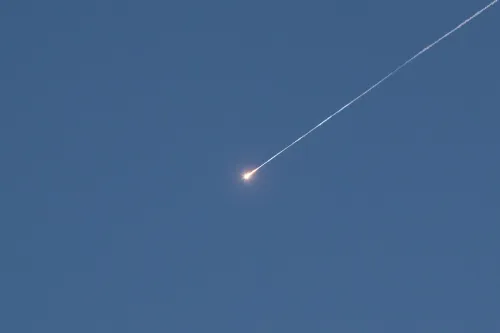
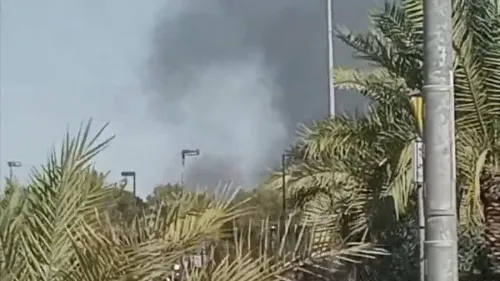
The Kuwaiti Army confirmed that 'hostile' drone strikes hit 'several facilities and camps affiliated with the Kuwaiti Army' on Friday morning, resulting in injuries among its personnel. The army did not disclose the number of soldiers wounded or the severity of their injuries. The strikes targeted multiple military sites simultaneously, suggesting a coordinated operation rather than an isolated incident.
Power Plant Hit, Fire Brought Under Control
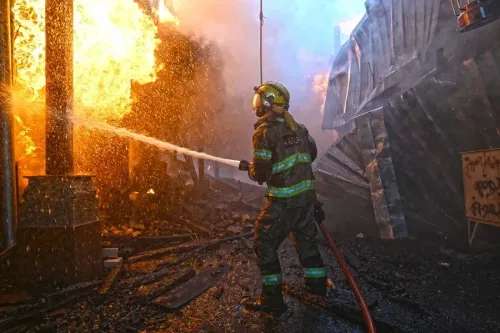
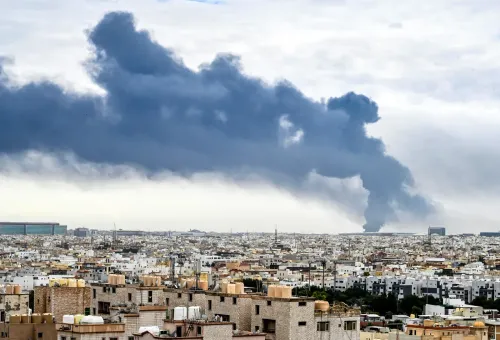
Kuwait's Ministry of Electricity, Water and Renewable Energy confirmed that an Iranian strike hit a power generation and water desalination plant, triggering a fire and causing what it described as 'extensive damage' to the facility. Firefighting teams subsequently brought the blaze under control, while technical crews began repair work to restore the damaged units to service. The ministry urged residents to conserve electricity during what it termed an 'exceptional period,' signalling that supply disruptions could follow.
Kuwait Condemns Attacks as Sovereignty Violation
Kuwait's Foreign Ministry condemned the strikes in unambiguous terms, calling them a direct violation of the country's sovereignty and of international law. The ministry warned that such actions risked further destabilising an already volatile region, and reaffirmed Kuwait's right to defend its national security. No retaliatory military action by Kuwait had been announced at the time of reporting.
IRGC Claims Strikes as Part of 'Operation Nasr-2'
Iran's Islamic Revolutionary Guard Corps (IRGC) claimed responsibility, stating the attacks were retaliatory strikes conducted during the 11th, 12th, and 13th waves of Operation Nasr-2. According to an IRGC statement carried by Iran's official Islamic Republic News Agency (IRNA), the 11th wave was dedicated to soldiers killed in Bampur in Iranshahr. The IRGC said its forces struck a US special forces command centre in Syria's al-Tanf region, 'American weapons depots and launchers in Kuwait,' and radar sites in Oman. A separate IRGC statement said the first strike in Kuwait hit a missile defence surveillance radar, 'several US weapons depots,' two HIMARS launchers, and 'several missiles,' causing a large fire at a base hosting US forces.
Regional Context: Tensions Persist Despite US-Iran MoU
The attacks come despite a peace memorandum of understanding signed by the United States and Iran in mid-June, under which both sides were expected to hold negotiations within 60 days toward a final agreement. Friday's strikes cast serious doubt on the durability of that diplomatic framework. Notably, this is the latest in a pattern of Iranian military operations targeting US-linked assets across the broader Middle East, with Kuwait — home to significant American military infrastructure — now drawn directly into the theatre of confrontation.
Point of View
A sovereign Gulf state and a host of significant US military infrastructure, is a deliberate escalation that places smaller Gulf nations squarely in the crossfire of a US-Iran confrontation they did not choose. Kuwait's measured condemnation — sovereignty violation, no retaliatory action announced — reflects the difficult position Gulf states occupy: too close to US assets to be neutral, too exposed to Iranian reach to escalate. The 60-day negotiation window the MoU prescribed now looks increasingly notional.
NationPress
16 Oct 2026
Frequently Asked Questions
What happened in Kuwait on 17 July?
Iran launched drone and missile strikes on Kuwait on 17 July, injuring members of the Kuwaiti armed forces and damaging a power generation and water desalination plant. The IRGC claimed the attacks as part of Operation Nasr-2, targeting US military assets on Kuwaiti soil.
What damage was caused to Kuwait's infrastructure?
A power generation and water desalination plant was struck, causing a fire and what authorities described as 'extensive damage.' Firefighting teams brought the blaze under control, and technical crews began repair work. The Ministry of Electricity urged residents to conserve power during the 'exceptional period.'
Why did Iran attack Kuwait?
Iran's IRGC framed the strikes as retaliatory operations under Operation Nasr-2, targeting US special operations and weapons infrastructure based in Kuwait. The IRGC did not specify a single triggering event, but the 11th wave was dedicated to Iranian soldiers killed in Bampur, Iranshahr, according to IRGC statements.
How does this fit into broader regional tensions?
The attacks come despite a peace memorandum of understanding signed by the United States and Iran in mid-June, which envisaged negotiations within 60 days toward a final agreement. Friday's strikes raise serious questions about the viability of that diplomatic process and signal continued Iranian military pressure on US-linked assets across the Middle East.
What was Kuwait's official response?
Kuwait's Foreign Ministry condemned the attacks as a violation of the country's sovereignty and international law, warning they risked further destabilising the region. Kuwait reaffirmed its right to protect its national security but had not announced any retaliatory military action at the time of reporting.