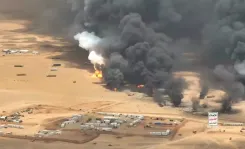
UN chief alarmed as US-Iran fire exchange spreads to Kuwait, Bahrain
Synopsis
The US-Iran confrontation has spilled beyond the Gulf — with Kuwait's main airport hit, one civilian dead, and the IRGC claiming a strike on a US destroyer in the Gulf of Oman. Washington denies the naval hit. Guterres is alarmed, and Pakistan's quiet mediation track may now be the only thing standing between escalation and a wider regional war.
Key Takeaways
UN Secretary-General Antonio Guterres expressed alarm over the reported US-Iran exchange of fire and strikes on Kuwait and Bahrain .
One person was killed and dozens injured in Kuwait, including damage at Kuwait International Airport .
The IRGC claimed it struck a US destroyer in the Gulf of Oman ; US Central Command denied the claim.
Iran denied hitting the Kuwait airport terminal, blaming a malfunctioning US Patriot system.
Iran sealed the Strait of Hormuz to US and Israeli-linked vessels from 28 February ; the US imposed a counter-blockade.
Pakistan -led mediation is reportedly working on a memorandum of understanding to end the war.
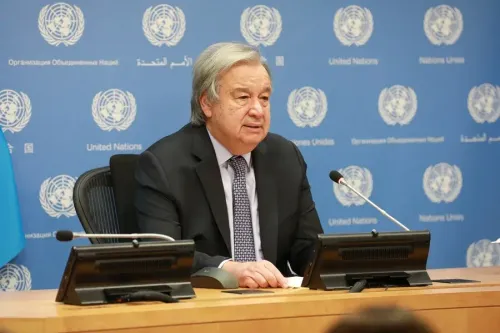
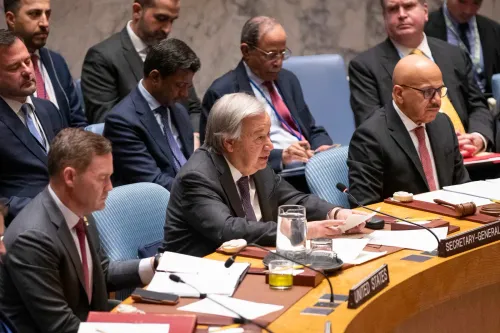
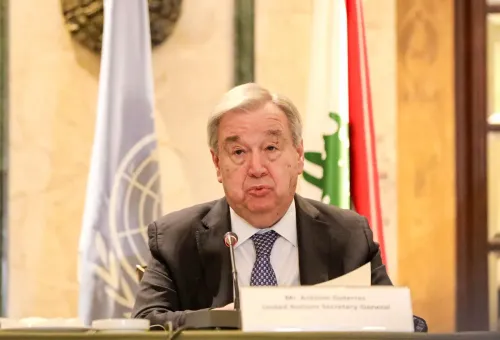
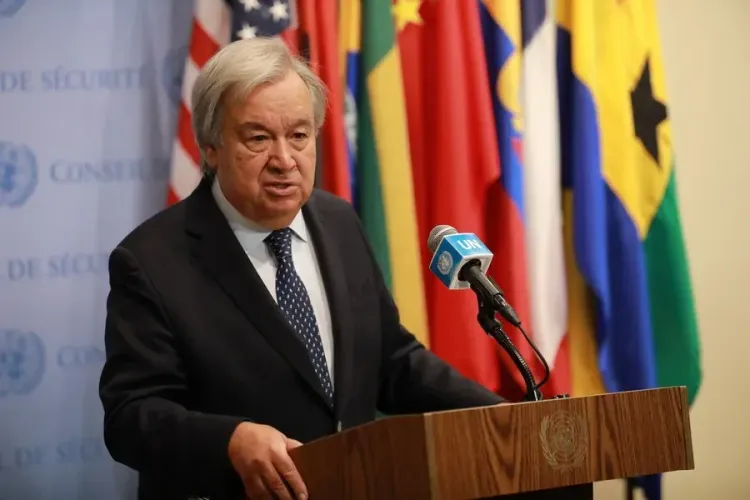
UN Secretary-General Antonio Guterres is 'deeply troubled' by the reported overnight exchange of fire between the United States and Iran and by claims that Iranian forces struck targets in Kuwait and Bahrain, his spokesperson said on 4 June. The escalation, which has reportedly caused civilian casualties, threatens to derail Pakistan-led mediation efforts now underway between Tehran and Washington.
What the UN said
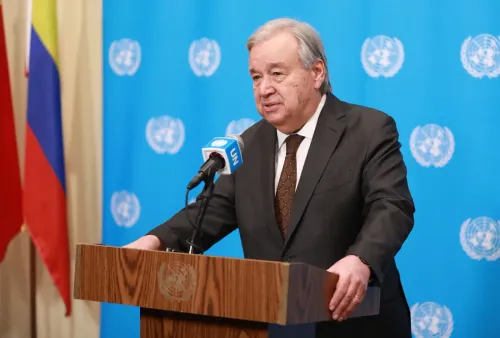
Spokesperson Stephane Dujarric told the daily briefing in New York that the Secretary-General ‘is deeply troubled by reports of civilian casualties’ and called on ‘all parties to exercise maximum restraint and to avoid any further escalation that risks undermining ongoing diplomatic efforts.’ Guterres stressed that the sovereignty and territorial integrity of all countries must be fully respected.
The UN chief condemned attacks on civilian infrastructure and reminded combatants that international humanitarian law strictly prohibits targeting civilian objects. He reaffirmed ‘full support for all ongoing mediation efforts, including those led by Pakistan,’ urging parties to engage ‘constructively and in good faith.’
Iran's claim in the Gulf of Oman
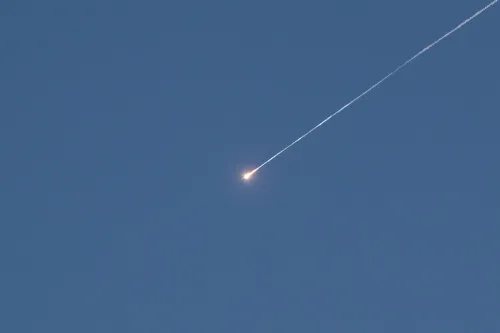
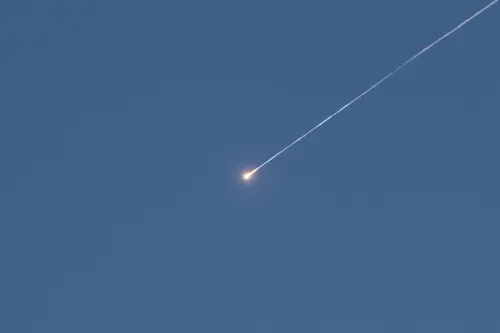
Iran's Islamic Revolutionary Guard Corps (IRGC) said its navy targeted a US destroyer in the Gulf of Oman that allegedly sought to approach Iranian territorial waters. In a statement carried by its official outlet Sepah News, the IRGC said it tracked US ‘aggressive actions, violations of the regulations of the Strait of Hormuz and malicious acts against Iranian commercial vessels,’ identified a command centre aboard the destroyer, and struck it.
The US Central Command later denied the claim on social media platform X, saying US military assets at sea continue to operate ‘safely and unimpeded.’
Kuwait and Bahrain attacks
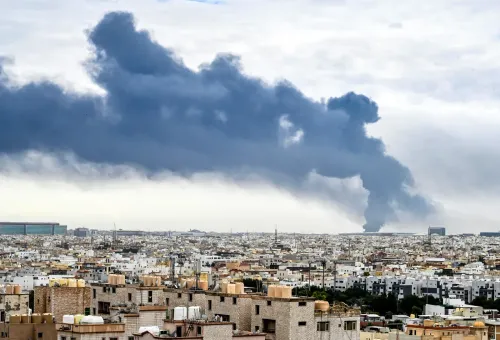
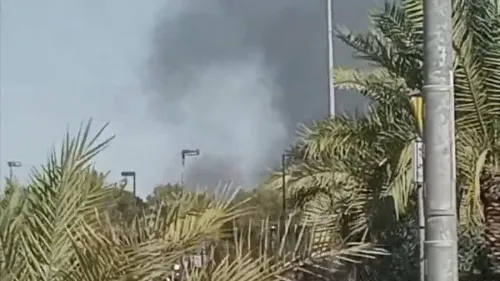
Kuwaiti authorities said one person was killed and dozens injured after ballistic missiles and drones struck civilian and vital facilities, including Kuwait International Airport, in attacks they attributed to Iran. The IRGC confirmed launching missile and drone strikes on US bases in Kuwait and Bahrain.
However, the IRGC denied firing on the airport's passenger terminal, asserting through Sepah News that the damage was caused by a malfunctioning US Patriot missile interceptor — a claim that could not be independently verified.
Strait of Hormuz standoff
Iran tightened its grip on the Strait of Hormuz from 28 February, barring safe passage of vessels belonging to or affiliated with Israel and the United States after joint strikes on Iranian territory. Washington has responded with a naval blockade preventing ships travelling to and from Iranian ports from transiting the waterway.
What's next
The flare-up comes even as Iran and the United States have, over recent weeks, reportedly exchanged proposed peace plans through Pakistani mediation and are working to finalise a memorandum of understanding to end the war. Whether the latest hostilities derail or accelerate that track will likely shape the coming days.
Point of View
Paired with the Patriot-malfunction claim, is a familiar Tehran playbook: confirm the strikes that signal deterrence, disown the ones that alienate Arab capitals. The most consequential thread, underreported, is that Pakistan — not a P5 power — is the active mediator, a quiet reordering of who holds leverage in West Asia.
NationPress
15 Sept 2026
Frequently Asked Questions
What did the UN say about the US-Iran exchange of fire?
UN Secretary-General Antonio Guterres is 'deeply troubled' by reports of civilian casualties and has called on all parties to exercise maximum restraint. His spokesperson Stephane Dujarric urged that sovereignty and territorial integrity be respected and reaffirmed support for Pakistan-led mediation.
What happened at Kuwait International Airport?
Kuwaiti authorities reported that one person was killed and dozens injured after ballistic missiles and drones struck civilian and vital facilities, including the airport, in attacks they attributed to Iran. The IRGC denied hitting the passenger terminal, claiming the damage came from a malfunctioning US Patriot missile system.
Did Iran really strike a US destroyer in the Gulf of Oman?
The IRGC claimed its navy struck a command centre aboard a US destroyer it said had approached Iranian waters. However, US Central Command denied the claim on platform X, saying US naval assets continue to operate safely and unimpeded.
What is Pakistan's role in the conflict?
Pakistan is reportedly mediating between Tehran and Washington, with both sides exchanging proposed peace plans over recent weeks. They are working to finalise a memorandum of understanding aimed at ending the war.
Why is the Strait of Hormuz central to the crisis?
Iran barred safe passage to US and Israeli-linked vessels through the Strait of Hormuz from 28 February following joint strikes on its territory. The United States has imposed a counter-blockade, choking shipping to and from Iranian ports and raising global energy-supply risks.