Kuwait, Bahrain condemn Iran's missile and drone strikes on US bases
Synopsis
Iran's IRGC fired ballistic missiles at US military bases in Kuwait and Bahrain on 6 June, triggering formal condemnations from both Gulf states. With the Strait of Hormuz already under pressure and US forces having struck Iranian radar and communications sites the same night, the Gulf is facing its most direct Iran-US military exchange in years.
Key Takeaways
Kuwait and Bahrain condemned Iranian missile and drone attacks on their territory on 6 June , calling them a flagrant sovereignty violation.
The IRGC confirmed striking the Ali Al Salem Air Base in Kuwait and the US Fifth Fleet headquarters in Bahrain.
Iran framed the strikes as retaliation for US attacks on Qeshm Island and Sirik County in southern Iran.
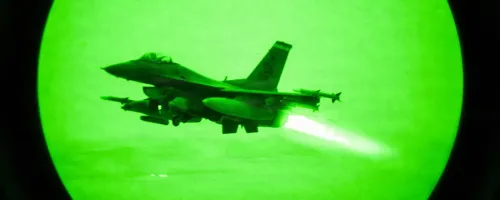
The US Central Command confirmed US forces struck Iranian radar sites on Friday.
Bahrain called on Iran to fully reopen the Strait of Hormuz and respect international maritime law.
Both Kuwait and Bahrain said they intercepted incoming missiles and drones before issuing formal condemnations.
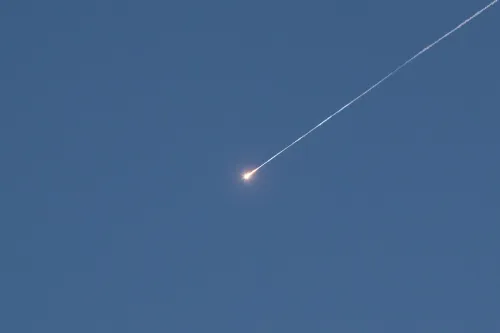
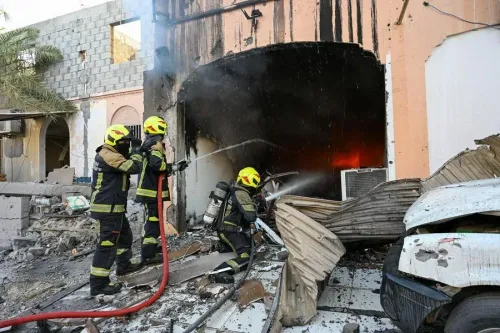
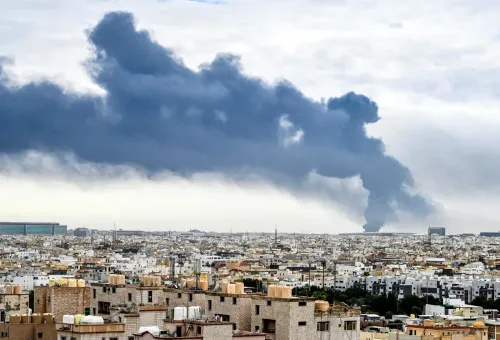
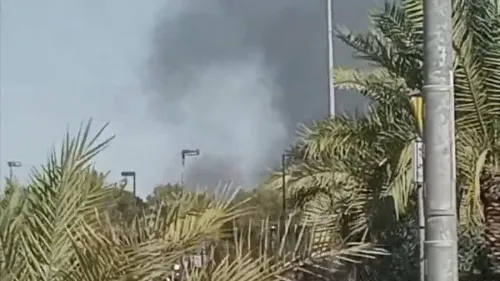
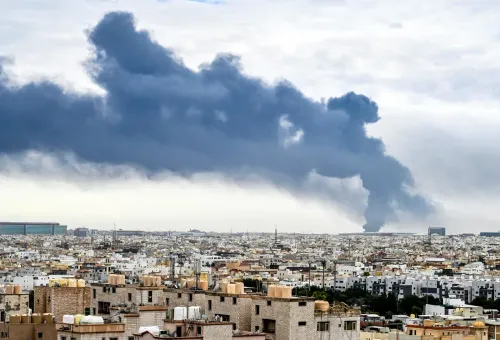
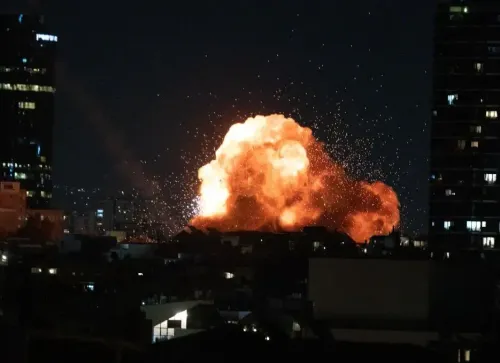
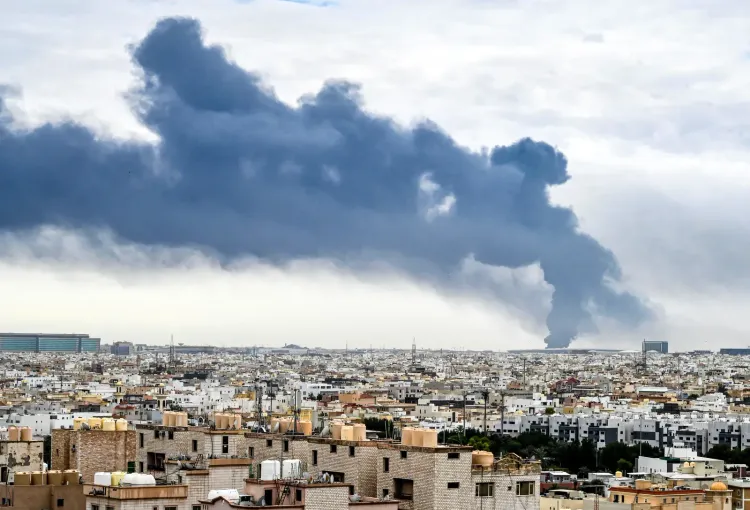
Kuwait and Bahrain on Saturday, 6 June jointly condemned renewed Iranian missile and drone attacks on their soil, describing the strikes as a flagrant violation of national sovereignty and a dangerous escalation that threatens the stability of the entire Gulf region. Both governments issued formal condemnations as the situation marked one of the most direct military confrontations between Iran and US-allied Gulf states in recent memory.
What Kuwait and Bahrain Said
Kuwait's Foreign Ministry, in a statement posted on X, called the attacks a 'flagrant violation' of Kuwait's sovereignty, security, and territorial integrity, as well as a breach of international law, the UN Charter, and Security Council Resolution 2817. It warned that the continued strikes represented a dangerous escalation at a time when international efforts are focused on preventing a wider regional conflict. 'The attacks cannot be justified or accepted under any pretext,' the ministry said.
Bahrain's Foreign Ministry issued a separate statement asserting that the attacks posed a direct threat to Gulf security and stability. It called on Iran to immediately halt its attacks, fully reopen the Strait of Hormuz without restrictions, and respect the freedom of maritime navigation under international law.
The IRGC's Version of Events
Iran's Islamic Revolution Guard Corps (IRGC) confirmed it had targeted the Ali Al Salem Air Base in Kuwait and the US Fifth Fleet headquarters in Bahrain, framing the strikes as retaliation for earlier US military action against Qeshm Island and Sirik County in southern Iran. According to the IRGC's official outlet Sepah News, the sequence of events began at 1:30 a.m. local time (2200 GMT Friday) when four oil tankers, reportedly guided by the US military, attempted to exit the Strait of Hormuz without coordination with IRGC naval authorities and despite repeated warnings.
The IRGC said one of the tankers was targeted after warnings were ignored, and the remaining vessels turned back. It added that US drones subsequently struck communications towers on Qeshm Island and in Sirik County at 2:30 a.m. local time (2300 GMT Friday). In response, the IRGC's aerospace division fired ballistic missiles at the Ali Al Salem Air Base and what it described as key facilities at the US Fifth Fleet headquarters.
US Military Response
The US Central Command confirmed in a post on social platform X that US forces struck some of Iran's radar sites on Friday, corroborating part of the escalation timeline. Both Kuwait and Bahrain separately announced they had intercepted incoming missile and drone attacks before issuing their diplomatic condemnations.
Regional and Strategic Stakes
The confrontation marks a sharp escalation in the long-running tensions between Iran and US military assets stationed in the Gulf. The Strait of Hormuz — through which roughly 20% of global oil supply passes — has emerged as a flashpoint, with Iran's threat to restrict navigation drawing urgent concern from energy markets and regional governments alike. This is not the first time the IRGC has targeted tankers or threatened the strait, but direct ballistic missile strikes on US-allied military bases represent a significant escalation in intensity. Gulf Cooperation Council members have historically been cautious about directly confronting Iran, making Saturday's coordinated condemnations from Kuwait and Bahrain diplomatically notable.
With both sides now having conducted strikes on each other's assets within a single overnight window, the risk of further escalation remains elevated. The international community, including the United Nations, is likely to face mounting pressure to intervene diplomatically before the situation widens into a broader regional conflict.
Point of View
Not just tanker harassment or proxy skirmishes. Kuwait and Bahrain's coordinated public condemnations are diplomatically significant for Gulf states that have long preferred quiet de-escalation over open confrontation with Tehran. What mainstream coverage risks underplaying is the Strait of Hormuz dimension: Iran's willingness to target tankers and restrict navigation is the lever with the highest global economic consequence, and it is now openly in play. The question is whether Washington and Tehran have a back-channel to contain this, or whether each retaliatory cycle will simply raise the floor for the next exchange.
NationPress
21 Oct 2026
Frequently Asked Questions
What did Iran's IRGC attack on 6 June?
The IRGC confirmed it fired ballistic missiles at the Ali Al Salem Air Base in Kuwait and the US Fifth Fleet headquarters in Bahrain on 6 June, in retaliation for earlier US strikes on Qeshm Island and Sirik County in southern Iran.
Why did Kuwait and Bahrain condemn the attacks?
Both countries called the Iranian strikes a flagrant violation of their sovereignty, territorial integrity, and international law, including the UN Charter and Security Council Resolution 2817. They warned the attacks constituted a dangerous escalation threatening regional stability.
What triggered the Iranian strikes?
According to the IRGC, the sequence began when four oil tankers reportedly guided by US forces attempted to exit the Strait of Hormuz without IRGC coordination. After one tanker was targeted, US drones struck Iranian communications towers, prompting the ballistic missile response.
What is the significance of the Strait of Hormuz in this conflict?
The Strait of Hormuz is a critical global shipping lane through which roughly 20% of the world's oil supply passes. Bahrain specifically called on Iran to fully reopen the strait without restrictions, signalling concern that Iranian naval actions could disrupt global energy flows.
How did the US respond to the Iranian attacks?
The US Central Command confirmed in a post on X that US forces struck some of Iran's radar sites on Friday, which forms part of the escalation timeline that preceded the IRGC's ballistic missile strikes on US bases in Kuwait and Bahrain.