Iran IRGC strikes US radar, Kuwait air base in retaliatory attack
Synopsis
Iran's IRGC has dramatically widened its retaliatory campaign against the US by striking inside Kuwait — a Gulf ally hosting American forces. With a radar system claimed 'completely destroyed,' an MQ-9 drone downed over Ahvaz, and a senior Iranian general warning of costs heavier than past wars, the West Asia crisis has entered a dangerous new phase.
Key Takeaways
Iran's IRGC claimed on 20 July to have destroyed a US early-warning radar system at Ali Al Salem Air Base in Kuwait via drone strike.
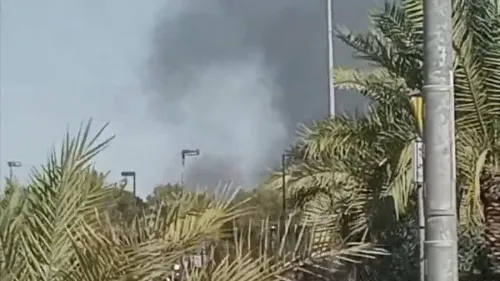
A separate IRGC strike reportedly hit a warehouse, aviation spare parts store, and drone hangar at the same base, setting several drones ablaze.
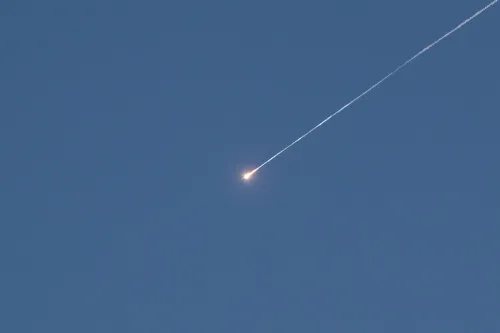
On Sunday , the IRGC said it shot down a US MQ-9 drone over Ahvaz , Iran, using its integrated air-defence network.
Major General Ali Abdollahi warned Iran would respond to any US aggression with costs 'heavier than those of the second and third imposed wars.' The IRGC urged Kuwaiti citizens to prevent their territory from being used for US military operations against Muslim countries.
Independent verification of IRGC damage claims was not immediately available; Kuwait had not issued an official response at the time of reporting.
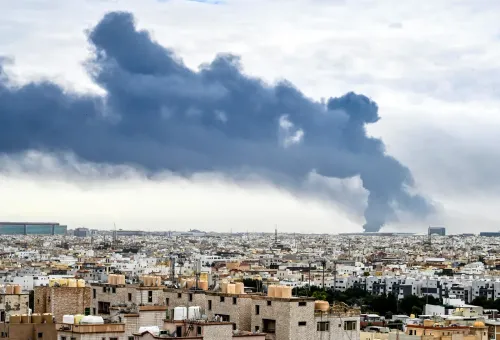
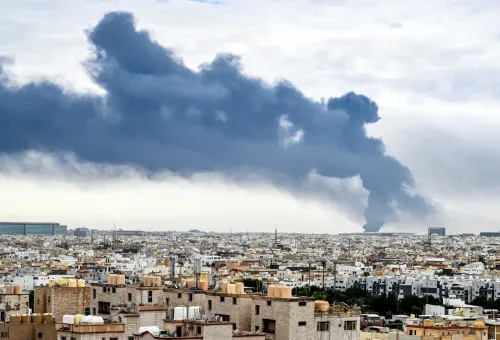
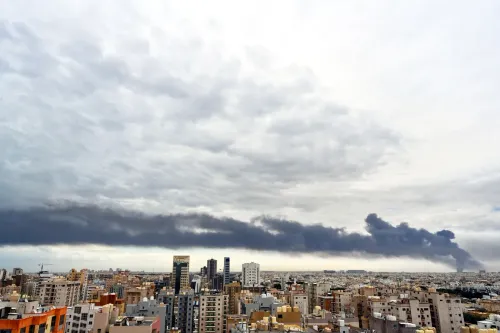
Iran's Islamic Revolutionary Guards Corps (IRGC) claimed on Monday, 20 July that it had struck a US early-warning radar system and multiple military facilities at Ali Al Salem Air Base in Kuwait, describing the operations as retaliatory action against Washington. The IRGC said the radar system was 'completely destroyed' in a drone strike, according to Iran's official Islamic Republic News Agency (IRNA).
What the IRGC Claims It Hit
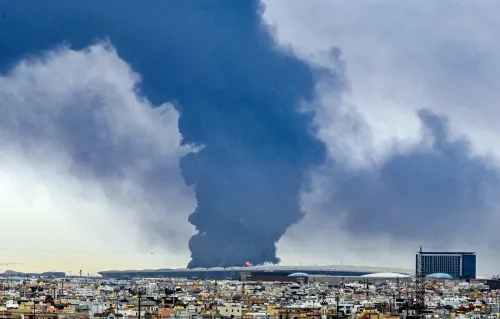
According to the IRGC statement, a separate strike targeted a warehouse housing aviation equipment, spare parts, and a drone hangar at Ali Al Salem Air Base, setting several drones ablaze. The Corps said both operations were conducted as part of its ongoing retaliatory campaign against US military assets in West Asia.
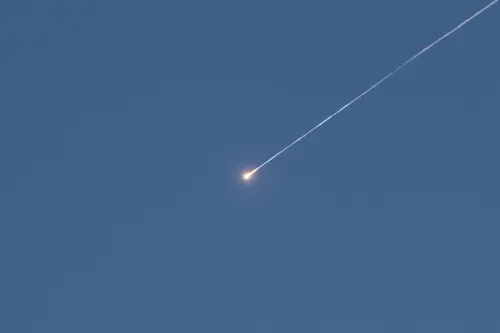
A day earlier, on Sunday, the IRGC announced it had intercepted and shot down a US MQ-9 drone over Ahvaz, Iran. The advanced air-defence system operated by the IRGC Aerospace Force, under Iran's integrated air defence network, was credited with the intercept, according to Iran's Tasnim News Agency.
IRGC's Message to Kuwait
The IRGC issued a pointed warning to the people and government of Kuwait, urging them not to allow their territory to serve as a staging ground for US military operations. In its statement, the IRGC said: 'Kuwaiti territory must not serve as a safe haven for a terrorist army that has attacked at least 10 Muslim countries over the past decades and killed millions of Muslims.'
The Corps further called on Kuwaiti citizens to 'fulfill your religious duty and restore the dignity of the Islamic lands,' framing the US military as an aggressor under Islamic jurisprudence. Notably, the statement referenced ongoing casualties in Iran, Iraq, Afghanistan, and Palestine as justification for its position.
Iran's Military Warns of Heavier Retaliation
Commander of the central Khatam al-Anbiya headquarters, Major General Ali Abdollahi, warned that Iran's armed forces would deliver a 'devastating response' to any further US act of aggression, according to IRNA. He said the response would impose costs 'heavier than those of the second and third imposed wars' — a reference to the Iran-Iraq War and subsequent conflicts in Iranian military doctrine.
Abdollahi also alleged that the US, following what he described as 'repeated military failures,' was attempting to foment division between Iran's population and its leadership. He characterised Iran's internal unity as the primary defence against what he termed a 'satanic scheme.'
Context and Escalation Pattern
The strikes on Ali Al Salem Air Base mark a significant escalation in the ongoing cycle of military exchanges between Iran and the United States in West Asia. The IRGC's targeting of a facility in a third country — Kuwait — broadens the geographic footprint of the conflict and raises questions about regional stability. Independent verification of the IRGC's damage claims was not immediately available. Kuwait's government had not issued an official response at the time of reporting.
As tensions continue to mount, all eyes will be on how Washington and Kuwait City respond — and whether the conflict draws in further regional actors.
Point of View
Washington faces a dilemma: a robust military response risks widening the conflict, while restraint could embolden further strikes on allied soil. Kuwait's silence is itself telling — small Gulf states are caught between a US security umbrella and an Iran that is now demonstrating both the will and the reach to strike through it. The MQ-9 shootdown the day before suggests a coordinated sequencing of operations, not an impulsive reaction, which makes the trajectory harder to de-escalate.
NationPress
20 Oct 2026
Frequently Asked Questions
What did Iran's IRGC claim to have attacked in Kuwait?
The IRGC claimed it struck a US early-warning radar system at Ali Al Salem Air Base in Kuwait, saying the radar was 'completely destroyed' in a drone strike. A separate attack reportedly hit a warehouse holding aviation equipment, spare parts, and a drone hangar at the same base.
Why did Iran say it attacked US facilities in Kuwait?
The IRGC described the strikes as retaliatory action against the United States. In its statement, it urged Kuwait not to allow its territory to be used for US military operations that it claimed were killing Muslims across Iran, Iraq, Afghanistan, and Palestine.
Did Iran shoot down a US drone as well?
Yes. On Sunday, a day before the Kuwait strike claims, the IRGC announced it had intercepted and shot down a US MQ-9 drone over Ahvaz, Iran, using its integrated air-defence network under the IRGC Aerospace Force.
What did Iran's military commander warn about further US action?
Major General Ali Abdollahi, commander of the Khatam al-Anbiya headquarters, warned that Iran would deliver a 'devastating response' to any US act of aggression, saying the costs would be 'heavier than those of the second and third imposed wars.'
How has Kuwait responded to Iran's claims?
Kuwait had not issued an official public response at the time of reporting. Independent verification of the IRGC's damage claims was also not immediately available.