UAE, Saudi Arabia condemn Iran's missile attacks on Bahrain, Kuwait, Jordan

Synopsis
Iran's IRGC struck US military bases across three Arab nations — Bahrain, Kuwait, and Jordan — in a sweeping retaliatory operation, claiming 18 targets hit. The UAE and Saudi Arabia responded with their strongest condemnations yet, signalling a sharp consolidation of Arab opposition as the US-Iran confrontation spills onto Gulf and Levantine soil.
Key Takeaways
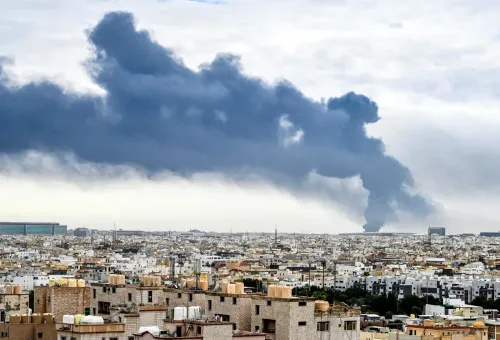
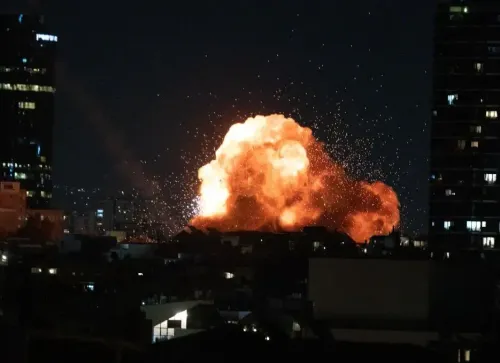
Iran's IRGC launched missile and drone strikes on US military bases in Bahrain , Kuwait , and Jordan on 11 June .
A total of 18 targets were reportedly hit, including al-Azraq Air Base in Jordan and airbases in Kuwait and Bahrain.
The UAE condemned the attacks as a 'flagrant violation of sovereignty' of the three nations.
Saudi Arabia called for de-escalation, warning the strikes 'further escalate tensions in the region.' Iran described the operation as retaliation for US strikes on Iranian provinces including Tehran , Alborz , and Hormozgan .
The IRGC warned military operations would continue unless the US halted its actions against Iran.
The United Arab Emirates (UAE) and Saudi Arabia on Thursday, 11 June issued strong condemnations of Iran's latest missile and drone strikes targeting Bahrain, Kuwait, and Jordan, calling the attacks a flagrant violation of the three nations' sovereignty. The condemnations came hours after Iran's Islamic Revolutionary Guard Corps (IRGC) claimed responsibility for the strikes, framing them as retaliation for prior US military action on Iranian soil.
UAE and Saudi Arabia Respond
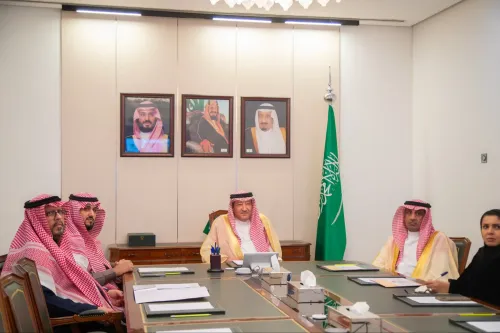
The UAE Ministry of Foreign Affairs (MoFA) stated it 'condemned in the strongest terms the renewed hostile missile and drone attacks by Iran that targeted the Kingdom of Bahrain, the State of Kuwait and the Hashemite Kingdom of Jordan.' The statement reaffirmed the UAE's solidarity with the three nations and its commitment to safeguarding their security and stability, describing the attacks as a threat to regional peace.
Saudi Arabia's Foreign Ministry echoed the condemnation, stating: 'The Foreign Ministry expresses the Kingdom of Saudi Arabia's strongest condemnation of the repeated Iranian attacks targeting the brotherly Hashemite Kingdom of Jordan, the brotherly Kingdom of Bahrain, and the brotherly State of Kuwait, and of the continued violations of the sovereignty of these brotherly states, which further escalate tensions in the region.' Riyadh explicitly called for de-escalation and an end to further provocations.
What Iran's IRGC Claimed
According to statements carried by Sepah News, the IRGC's official outlet, Iran's aerospace force targeted facilities at the US al-Azraq Air Base in Jordan, including hangars housing fighter aircraft and command-and-control centres. The IRGC claimed the strike inflicted 'significant damage' on the targeted sites.
The force also said it struck US military facilities at Ali Al Salem and Ahmad al-Jaber air bases in Kuwait, as well as Sheikh Isa Airbase in Bahrain, in two waves of attacks. Iranian officials said a total of 18 targets were hit, according to reports.
Iran's Stated Justification
The IRGC described the operation as a direct response to US strikes on military and security-related sites across several Iranian provinces, including Tehran, Alborz, and Hormozgan. It warned that military operations would continue unless Washington halted what it called its 'malicious acts' against Iran.
Notably, this marks a significant escalation in the broader US-Iran confrontation, with Iran now directly striking at US military infrastructure hosted on the soil of three Arab nations — a move that draws those countries into the crossfire regardless of their own bilateral positions with Tehran.
Regional and Strategic Fallout
The strikes represent a sharp widening of the conflict's geographic footprint. Bahrain, Kuwait, and Jordan host significant US military presence, making them de facto targets in any Iran-US exchange. Both the UAE and Saudi Arabia — themselves Gulf Cooperation Council (GCC) members with complex histories with Tehran — have now publicly aligned against Iran's actions, signalling a consolidation of Arab bloc opposition. All eyes are now on whether the United States will respond militarily, and whether further Arab states will issue coordinated statements or take collective action through the Arab League.
Point of View
Kuwait, and Jordan into the blast radius of a conflict they did not initiate. The UAE and Saudi condemnations are strong in language but stop well short of any security commitment, revealing the limits of Arab solidarity when confronting a militarily active Iran. What mainstream coverage underplays is the precedent: if the IRGC can strike three sovereign Arab states in a single operation without triggering a collective Arab defence response, it fundamentally alters deterrence calculus in the Gulf. The real question is not whether Washington retaliates, but whether the GCC can afford to keep hosting US forces without a credible joint defence posture.
NationPress
26 Oct 2026
Frequently Asked Questions
What did Iran's IRGC attack on 11 June?
Iran's IRGC launched missile and drone strikes on US military bases in Bahrain, Kuwait, and Jordan on 11 June, claiming a total of 18 targets were hit. The strikes targeted facilities including the al-Azraq Air Base in Jordan and airbases in Kuwait and Bahrain.
Why did Iran launch these attacks?
The IRGC described the strikes as retaliation for prior US military action on Iranian soil, including strikes on sites in the provinces of Tehran, Alborz, and Hormozgan. Iran warned that operations would continue unless the US halted what it called 'malicious acts' against Iran.
How did the UAE and Saudi Arabia respond?
Both nations issued their strongest condemnations, with the UAE calling the strikes a 'flagrant violation of sovereignty' and Saudi Arabia warning they 'further escalate tensions in the region.' Both called for de-escalation.
Which specific bases were targeted?
According to IRGC claims, the strikes hit the US al-Azraq Air Base in Jordan, Ali Al Salem and Ahmad al-Jaber air bases in Kuwait, and Sheikh Isa Airbase in Bahrain, in two waves of attacks.
What are the broader implications for the region?
The strikes mark a significant widening of the US-Iran conflict, drawing three Arab nations into the confrontation by virtue of hosting US military facilities. The coordinated Arab condemnations signal a consolidation of Gulf opposition to Iran's actions, raising questions about potential collective responses through the Arab League or GCC.