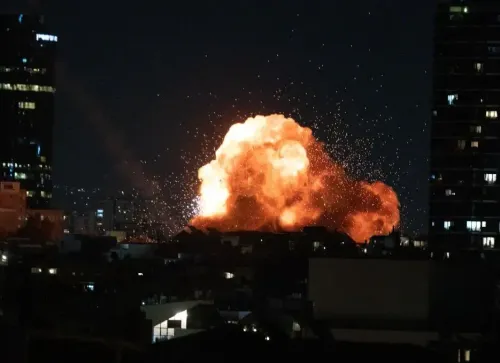
Qatar condemns drone attack on Saudi oil facilities from Iraq
Synopsis
Drones launched from Iraqi territory targeted Saudi oil facilities in the Eastern Province and Riyadh — and Saudi air defences intercepted them all. Qatar's swift condemnation and Iraq's earlier committee formation point to a region where cross-border militia strikes are becoming a recurring flashpoint, with Iran-linked groups at the centre of the blame.
Key Takeaways
Qatar's Ministry of Foreign Affairs condemned drone attacks on Saudi Arabia's oil facilities on 27 July , calling them a violation of international law.
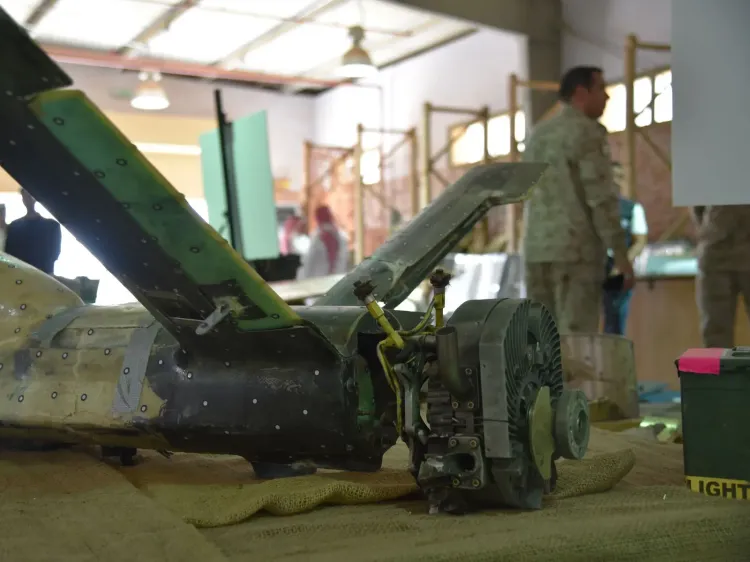
Saudi Arabia's Defence Ministry confirmed its air defences intercepted and destroyed multiple drones targeting the Eastern Province and Riyadh .
Spokesman Turki Al-Malki said the drones were launched from Iraqi territory by reportedly Iranian-backed militias .
No group in Iraq has claimed responsibility for the attack.
A special coordination committee involving Saudi Arabia and the UAE was formed on 20 May following earlier drone incidents allegedly originating from Iraq.
Iraqi PM Ali al-Zaidi had previously ordered 'all necessary measures' if Iraqi territory is confirmed as the launch point.
Qatar's Ministry of Foreign Affairs on Monday, 27 July strongly condemned a series of drone attacks that targeted oil facilities in Saudi Arabia's Eastern Province and Riyadh regions, calling the strikes a flagrant violation of international law and Saudi sovereignty.
What Qatar Said
In a statement posted on X, Qatar's foreign ministry described the attacks as 'a flagrant violation of Saudi sovereignty, a threat to its security and stability, and a blatant breach of international law, the United Nations Charter and the principles of good neighbourliness.' Doha affirmed 'full solidarity' with Riyadh and expressed support for 'all legitimate measures' taken by Saudi Arabia to preserve its sovereignty and security.
Saudi Arabia's Defence Response
Saudi Arabia's Defence Ministry confirmed that its air defence systems intercepted and destroyed several drones over the course of a few hours before they could strike the targeted oil installations. Spokesman Turki Al-Malki said in a social media statement that the drones were launched from Iraqi territory and carried out by what he described as Iranian-backed militias. Al-Malki affirmed the kingdom's right to defend itself and its resources, adding that Saudi Arabia reserves the right to respond. No group in Iraq has so far claimed responsibility for the incident.
Iraq's Prior Response to Cross-Border Drone Attacks
This is not the first time Iraqi territory has been implicated in drone strikes against Gulf states. On 20 May, a special committee was formed to coordinate with Saudi Arabia and the United Arab Emirates (UAE) following earlier drone attacks allegedly originating from Iraq. Iraqi Prime Minister and Commander-in-Chief Ali al-Zaidi chaired the first meeting of Iraq's Ministerial Council for National Security, which ordered 'all necessary measures' against those responsible if Iraqi territory is confirmed as the launch point, according to spokesperson Sabah al-Numan.
Regional Implications
The attacks on Saudi oil infrastructure carry significant regional and global weight, given the kingdom's role as a leading crude exporter. Repeated drone strikes on energy facilities raise concerns about supply security and the stability of Gulf energy corridors. This incident follows a pattern of escalating cross-border attacks that have strained relations between Gulf states and Iran-aligned militia networks operating out of Iraq. The Saudi Foreign Ministry also separately condemned the attack, signalling a coordinated diplomatic posture from Riyadh.
Point of View
And Gulf states are running out of diplomatic patience. Qatar's unusually pointed language — invoking the UN Charter and international law — signals that Doha is coordinating its messaging with Riyadh, not merely issuing a courtesy condemnation. The real accountability gap is Iraq's: Baghdad has formed committees and ordered measures, but the strikes keep coming. Until Iran-aligned militia networks face verifiable consequences on Iraqi soil, these air-defence intercepts will remain a symptom, not a solution.
NationPress
26 Oct 2026
Frequently Asked Questions
What happened in the drone attack on Saudi Arabia's oil facilities?
Saudi Arabia's air defences intercepted and destroyed multiple drones that attempted to strike oil facilities in the Eastern Province and Riyadh on 27 July. The drones were launched from Iraqi territory, according to Saudi Defence Ministry spokesman Turki Al-Malki, who attributed the attack to Iranian-backed militias.
Why did Qatar condemn the drone attack on Saudi Arabia?
Qatar condemned the attack out of solidarity with Saudi Arabia, describing the strikes as a violation of Saudi sovereignty and a breach of international law and the UN Charter. Qatar's foreign ministry also expressed support for all legitimate measures Riyadh takes to protect its security.
Who carried out the drone attack on Saudi oil facilities?
No group has claimed responsibility so far. Saudi Defence Ministry spokesman Turki Al-Malki attributed the attack to Iranian-backed militias operating from Iraqi territory, though this has not been independently verified.
Has Iraq responded to allegations that the drones were launched from its territory?
Iraq previously formed a special committee on 20 May to coordinate with Saudi Arabia and the UAE following earlier drone incidents. Prime Minister Ali al-Zaidi ordered 'all necessary measures' against those responsible if Iraqi territory is confirmed as the launch point, according to spokesperson Sabah al-Numan.
What are the implications of repeated drone attacks on Saudi oil infrastructure?
Repeated strikes on Saudi oil facilities threaten regional energy security and escalate tensions between Gulf states and Iran-linked militia networks. Saudi Arabia has reserved the right to respond, raising the risk of a broader regional escalation.