Saudi Arabia intercepts 3 drones entering from Iraq amid Gulf tensions

Synopsis
Saudi Arabia has intercepted three more drones entering from Iraq — the latest in a mounting series of aerial incursions that have already prompted Riyadh to summon Baghdad's ambassador. With a fragile US-brokered ceasefire in place and a drone striking near the UAE's Barakah nuclear plant, the Gulf's security architecture is under its most serious stress in years.
Key Takeaways
Saudi Arabia intercepted three drones entering its airspace from Iraq on 18 May .
Spokesperson Brigadier General Turki Al-Maliki warned on X that Riyadh reserves the right to respond 'at the appropriate time and place.' Saudi Arabia previously summoned Iraq's ambassador over repeated drone attacks targeting the kingdom and Gulf states from Iraqi territory.
A ceasefire brokered via Pakistani mediation took effect on 8 April ; US President Donald Trump later extended it indefinitely.
A separate drone attack on the UAE's Barakah nuclear power plant in Abu Dhabi caused a fire, with one of three drones striking an electrical generator near the facility.
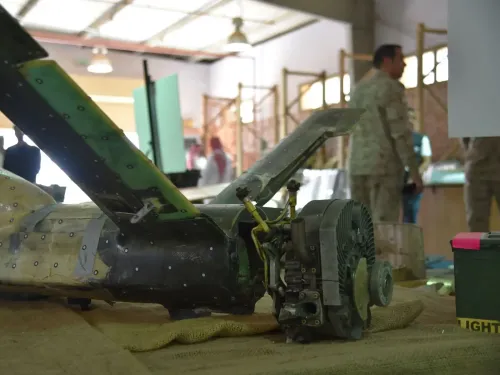
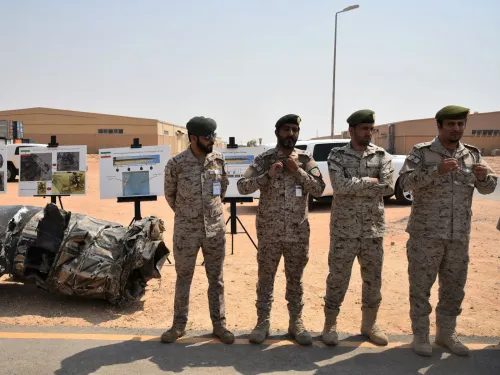
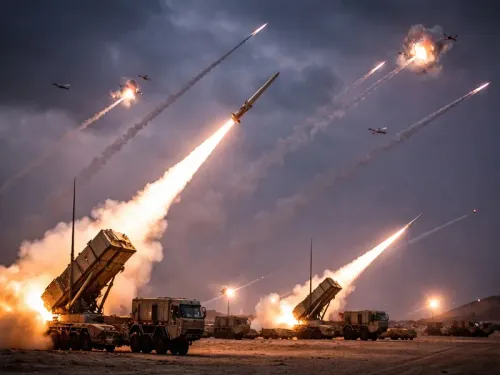
Saudi Arabia's Ministry of Defence announced on 18 May the interception of three drones that entered the kingdom's airspace from Iraq, the latest in a series of aerial incursions that have strained Riyadh's relations with Baghdad. The announcement came as regional tensions remain elevated following months of cross-border drone activity across the Gulf.
What the Defence Ministry Said
Ministry spokesperson Brigadier General Turki Al-Maliki stated on social media platform X that Saudi Arabia reserves the right to respond 'at the appropriate time and place.' He added that the kingdom will 'take and implement all necessary operational measures' to counter any attempted attack targeting its sovereignty, the security of its citizens, and residents.
A Pattern of Aerial Incursions
This is not an isolated incident. The Saudi Ministry of Defence has, in recent months, announced the interception and destruction of multiple drones that entered its airspace. Last month, Saudi Arabia's foreign ministry summoned Iraq's ambassador to Riyadh over what it described as continued attacks and threats targeting the kingdom and other Gulf Cooperation Council states using drones launched from Iraqi territory — a diplomatic escalation that signals deepening frustration with Baghdad's ability or willingness to control its airspace.
The Broader Regional Context
The drone incidents are unfolding against a volatile regional backdrop. Tensions escalated sharply after the United States and Israel launched strikes against Iran in February. Tehran retaliated with strikes targeting Israel and US allies in the Gulf, including the United Arab Emirates, and briefly closed the Strait of Hormuz — a move with significant consequences for global energy supply.
A ceasefire brokered through Pakistani mediation took effect on 8 April, but subsequent talks in Islamabad failed to produce a durable agreement. US President Donald Trump subsequently extended the truce indefinitely, though the underlying tensions remain unresolved.
UAE Nuclear Plant Incident Adds to Alarm
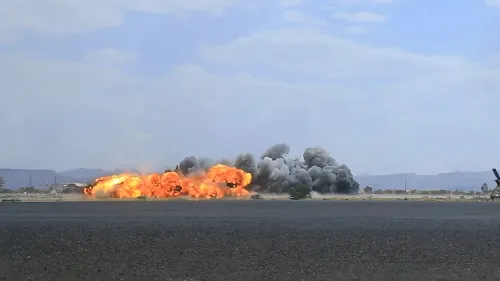
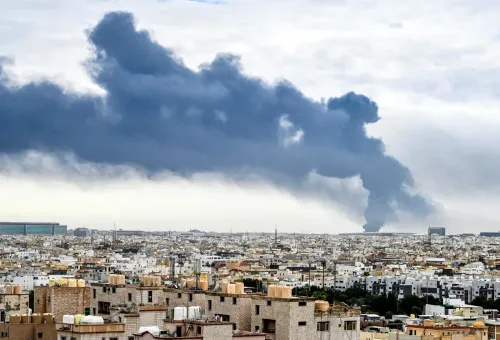
Compounding regional anxieties, Saudi Arabia on Sunday strongly condemned a drone attack on the United Arab Emirates that caused a fire outside the inner perimeter of the Barakah nuclear power plant in Abu Dhabi's al-Dhafra Region. The UAE's defence ministry said it had 'successfully' intercepted two of the three drones, but a third reportedly struck an electrical generator near the nuclear facility. The drones were said to have entered from the 'western border,' though no further details were provided.
What Comes Next
With diplomatic channels strained and the ceasefire holding only tenuously, the frequency of drone incursions suggests the Gulf's security environment remains fragile. Analysts will be watching whether Riyadh moves beyond summoning ambassadors toward a more assertive military or diplomatic posture — and whether Baghdad takes concrete steps to address Saudi concerns about drone launches from Iraqi territory.
Point of View
Not a footnote. The Gulf's US-brokered ceasefire is holding in name only if drone campaigns continue unabated.
NationPress
1 Oct 2026
Frequently Asked Questions
What happened with the Saudi Arabia drone interception on 18 May?
Saudi Arabia's Ministry of Defence announced the interception of three drones that entered the kingdom's airspace from Iraq on 18 May. Spokesperson Brigadier General Turki Al-Maliki warned that Riyadh reserves the right to respond at a time and place of its choosing.
Why are drones being launched into Saudi Arabia from Iraq?
Saudi Arabia has not formally attributed the drone launches to a specific group, but the kingdom's foreign ministry previously described them as attacks targeting Saudi and Gulf state sovereignty. The region has experienced heightened instability following US and Israeli strikes on Iran in February and subsequent retaliatory strikes by Tehran.
What is the current ceasefire situation in the region?
A ceasefire brokered through Pakistani mediation took effect on 8 April, but talks in Islamabad failed to produce a lasting agreement. US President Donald Trump subsequently extended the truce indefinitely, though drone incidents have continued.
What happened at the UAE's Barakah nuclear power plant?
A drone attack on the UAE caused a fire outside the inner perimeter of the Barakah nuclear power plant in Abu Dhabi's al-Dhafra Region. The UAE's defence ministry said it intercepted two of the three drones, but a third struck an electrical generator near the facility. Saudi Arabia strongly condemned the attack.
How has Saudi Arabia responded diplomatically to the drone threat from Iraq?
Last month, Saudi Arabia's foreign ministry summoned Iraq's ambassador to Riyadh, citing continued attacks and threats targeting the kingdom and Gulf states using drones launched from Iraqi territory. The kingdom has also signalled it will take all necessary operational measures to protect its sovereignty.