PM Modi to Visit Haryana, Chandigarh & Punjab for Multi-Sector Projects
Synopsis
Prime Minister Narendra Modi announced on 16 July 2026 an upcoming visit to Haryana, Chandigarh, and Punjab to participate in multi-sector programmes covering railways, healthcare, culture, connectivity, and education, saying the initiatives will positively impact people's lives, especially the youth.
Key Takeaways
PM Modi announced an imminent visit to Haryana , Chandigarh , and Punjab on 16 July 2026 .
Programmes will span railways, healthcare, culture, connectivity, and education.
The Prime Minister specifically highlighted the positive impact on youth ( yuva shakti ).
The post linked to a Press Information Bureau release detailing the specific events.
The visit aligns with ongoing central schemes including Ayushman Bharat (2018) and PM Gati Shakti (2021).
Rollout timelines for announced projects are expected to be monitored through the current financial year.
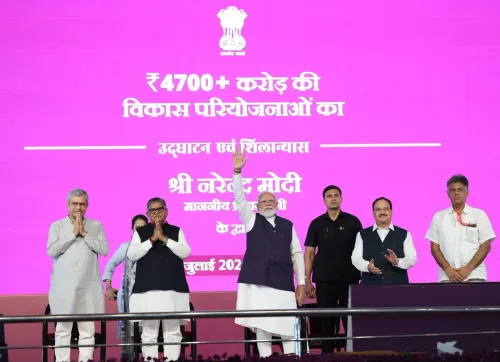
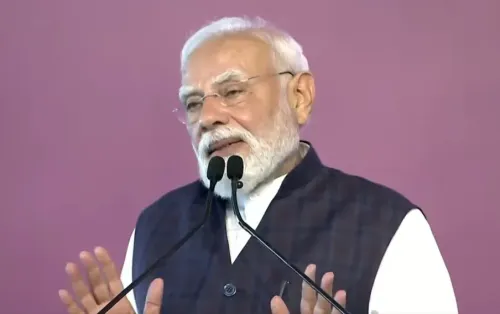
Prime Minister Narendra Modi announced on Thursday, 16 July 2026 that he is eagerly looking forward to visiting people of Haryana, Chandigarh, and Punjab to participate in programmes spanning railways, healthcare, culture, connectivity, education, and several other sectors. The Prime Minister said the initiatives would have a 'very positive impact on the lives of people, especially our youth.'
Writing in Punjabi on X, Modi stated: 'ਮੈਂ ਰੇਲਵੇ, ਸਿਹਤ ਸੇਵਾਵਾਂ, ਸੱਭਿਆਚਾਰ, ਕਨੈਕਟੀਵਿਟੀ, ਸਿੱਖਿਆ ਅਤੇ ਹੋਰ ਕਈ ਖੇਤਰਾਂ ਨਾਲ ਸਬੰਧਤ ਵੱਖ-ਵੱਖ ਪ੍ਰੋਗਰਾਮਾਂ ਵਿੱਚ ਹਿੱਸਾ ਲੈਣ ਲਈ... ਬੇਸਬਰੀ ਨਾਲ ਉਡੀਕ ਕਰ ਰਿਹਾ ਹਾਂ' ('I am eagerly waiting to go among the people of Haryana, Chandigarh, and Punjab to participate in various programmes related to railways, healthcare, culture, connectivity, education, and many other sectors.')
Context
The post, shared with a link to a Press Information Bureau release, signals an imminent multi-city visit by the Prime Minister to the northern region. Chandigarh, a Union Territory, serves as the joint capital of both Punjab and Haryana, making it a natural hub for events that address both states simultaneously. Modi's choice to post in Punjabi underscores a deliberate outreach to the linguistic community across the region.
The PIB release linked in the post is expected to detail the specific projects and venues, though the exact programme names and statistics have not been independently confirmed at the time of publication.
Policy Backdrop
The sectors cited — railways, health, connectivity, and education — align directly with flagship central government programmes active in the northern belt. Ayushman Bharat, launched in 2018, extended health insurance coverage to low-income families across Punjab and Haryana. The PM Gati Shakti National Master Plan, introduced in 2021, integrates rail, road, and multimodal logistics infrastructure across the region.
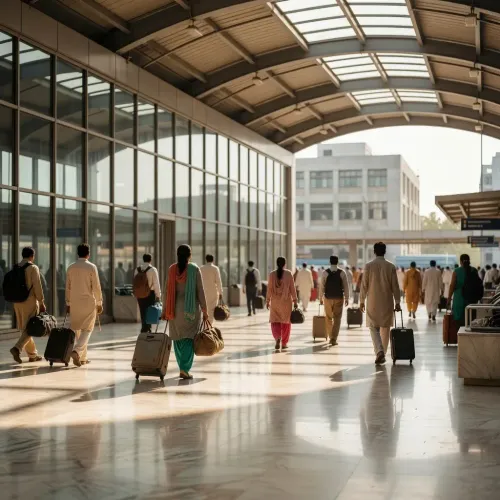
Indian Railways has undertaken successive track-doubling, electrification, and new train service expansions in northern India since 2014. The Dedicated Freight Corridor project, first approved in 2005, has seen progressive implementation in Punjab–Haryana sections through the intervening decades.
On education, the National Education Policy of 2020 laid the groundwork for new central universities, skill development centres, and digital learning infrastructure — investments that are being operationalised in phases across states including those in the northern region.
Stakeholders and Impact
The Prime Minister specifically highlighted the impact on yuva shakti — youth power — signalling that employment, skill development, and educational infrastructure are expected to feature prominently in the announced programmes. Residents of border districts in Punjab, where cross-border trade logistics and connectivity carry strategic weight, stand to benefit from any new railway or freight corridor investments.
Farmers and industrial workers in Haryana, which borders the National Capital Region, are also key stakeholders in any upgraded freight and passenger rail capacity. Healthcare announcements, if linked to Ayushman Bharat expansions or new hospital infrastructure, would directly affect low-income families across both states.
What's Next
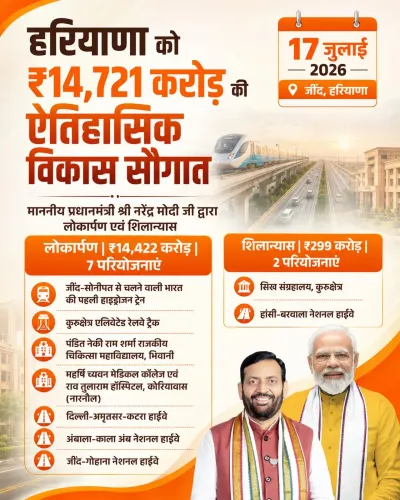
The visit is expected to generate a series of project inaugurations and foundation-stone layings across the three regions. Funding release timelines and implementation schedules for the announced railway and health facilities will be closely watched during the current financial year. Any related budgetary allocations or legislative business may also surface in the ongoing monsoon session of Parliament.
The bundling of multiple sectors into a single high-profile regional visit is consistent with the central government's pattern of consolidating visible project completions into events that maximise administrative and public outreach simultaneously.
Point of View
Health, connectivity, and education into a single visit reflects a well-established central government strategy of consolidating project completions into high-visibility events. The explicit mention of 'youth' as primary beneficiaries suggests the visit is calibrated to address employment and opportunity anxieties that have been politically salient in both Punjab and Haryana. Monitoring whether announced projects carry fresh funding or are repackaged from earlier allocations will be the key test of the visit's substantive weight.
NationPress
15 Oct 2026
Frequently Asked Questions
Why is PM Modi visiting Punjab, Haryana, and Chandigarh?
PM Modi is visiting the region to participate in programmes related to railways, healthcare, culture, connectivity, and education, as announced on 16 July 2026.
What projects will PM Modi launch in Punjab and Haryana?
The specific project names have not been confirmed independently, but the visit is expected to include inaugurations and foundation-stone layings linked to railway expansion, health infrastructure, and education schemes.
What is PM Gati Shakti and how does it affect northern India?
PM Gati Shakti is a National Master Plan launched in 2021 that integrates railways, roads, and multimodal connectivity. It directly benefits northern states like Punjab and Haryana through coordinated infrastructure investment.
How does Ayushman Bharat apply to Punjab and Haryana residents?
Ayushman Bharat, launched in 2018, provides health insurance coverage for secondary and tertiary care to low-income families, including those in Punjab and Haryana.
Why did PM Modi post in Punjabi on X?
Modi posted in Punjabi to directly address the linguistic community across Punjab, Haryana, and Chandigarh, a region with a large Punjabi-speaking population and significant political weight.