BJP's new regional trio: Sarma, Adhikari, and Choudhary lead Assam, Bengal, Bihar
Synopsis
Three leaders who once served rival parties — Congress, TMC, and RJD — are now the BJP's frontline faces in Assam, West Bengal, and Bihar. Sarma's second Assam term, Adhikari's historic Bengal victory, and Choudhary's Bihar debut collectively mark the BJP's deepest regional consolidation in the eastern and northeastern arc since 2014.
Key Takeaways
Himanta Biswa Sarma sworn in for a second consecutive term as Assam Chief Minister, marking the BJP-led alliance's third straight term in the state.
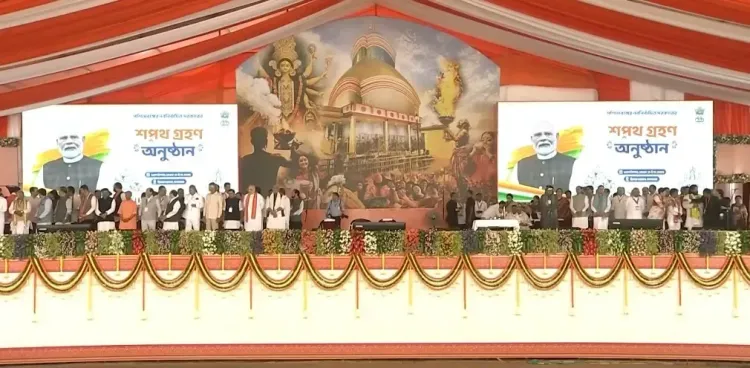
Suvendu Adhikari sworn in on 9 May as West Bengal's first BJP Chief Minister , defeating former mentor Mamata Banerjee .
Samrat Choudhary became Bihar's first BJP Chief Minister on 15 April , succeeding Nitish Kumar who moved to the Rajya Sabha.
All three leaders migrated to the BJP from rival parties — Congress , TMC , and RJD — citing internal dysfunction in their former parties.
Their rise reflects the BJP's strategy of backing regionally rooted leaders with proven electoral and organisational strength.
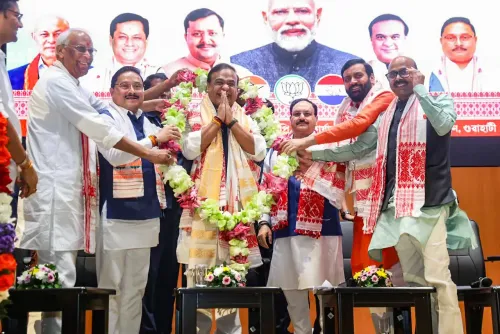
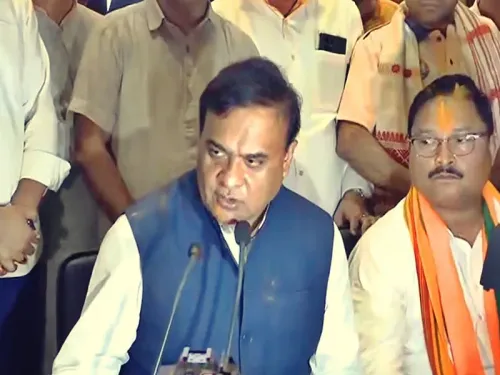
Himanta Biswa Sarma, Suvendu Adhikari, and Samrat Choudhary — regional leaders from Assam, West Bengal, and Bihar respectively — have been entrusted by the Bharatiya Janata Party (BJP) leadership with advancing the party's "double engine" governance agenda across three of India's most politically significant states. Their rise, each from a different political tradition, signals the BJP's strategic bet on leaders who have demonstrated electoral muscle and organisational depth in their home turf.
Himanta Biswa Sarma: Assam's Two-Term Architect
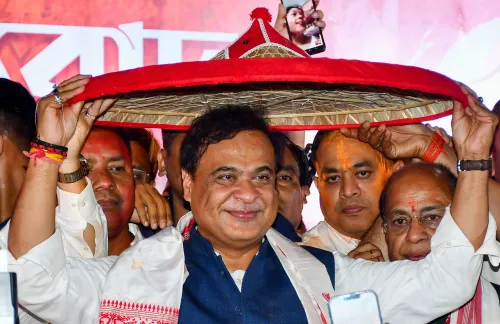
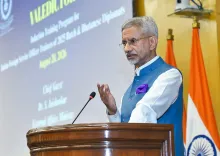
Himanta Biswa Sarma, now 57, was sworn in for a second consecutive term as Assam Chief Minister on Tuesday, marking the BJP-led alliance's third straight term in the state. Sarma, who succeeded Sarbananda Sonowal in May 2021, began his political journey in the Indian National Congress, where he managed key portfolios under Chief Minister Tarun Gogoi, including agriculture, finance, health, and education.
His political origins were not without setbacks. In the 1996 Assam Assembly election, Sarma lost the Jalukbari seat to Asom Gana Parishad leader Bhrigu Kumar Phukan. He has since won that constituency six consecutive times. Sarma joined the BJP in August 2015, citing alleged misgovernance and nepotism within the Congress, as well as what he described as the party leadership's indifference to Assam's concerns.
As convener of the North-East Democratic Alliance (NEDA), Sarma played a central role in consolidating regional parties against the Congress across the Northeast. He was a key strategist behind the BJP's landmark 2016 Assam Assembly victory, which ended the Congress's 15-year rule in the state, and later contributed to electoral gains in Tripura, Manipur, and Arunachal Pradesh. As Chief Minister, he has introduced flagship programmes including Mission Basundhara for land rights streamlining and Gunotsav for school education quality, alongside infrastructure expansion that includes new medical colleges.
Suvendu Adhikari: From Nandigram to the Chief Minister's Chair
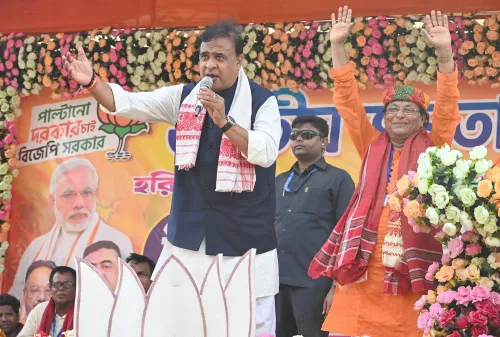
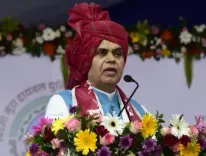
Suvendu Adhikari, 55, was sworn in on 9 May as West Bengal's first BJP Chief Minister, unseating his former mentor-turned-rival, Mamata Banerjee. The milestone capped a political journey that began in the Congress before Adhikari joined the All India Trinamool Congress (TMC) in 1998, eventually serving as both a Member of Parliament and a minister in the Mamata cabinet.
Adhikari is widely recognised for his leadership of the 2007 Nandigram movement, an agitation that proved a turning point in Bengal's political history and helped lay the groundwork for Mamata and the TMC's rise to power. He joined the BJP in December 2020, citing alleged favouritism and nepotism within the TMC — his departure publicly exposing internal tensions, particularly his differences with Mamata's nephew Abhishek Banerjee.
His electoral record underscores his organisational reach: victories over Mamata in Nandigram in 2021 and in Bhabanipur in 2026 established him as the BJP's most consequential figure in Bengal. The Adhikari family continues to wield significant political influence in Purba Medinipur and neighbouring districts, with his father Sisir Adhikari — a veteran politician and former Union minister — and brothers Dibyendu Adhikari and Soumendu Adhikari also active in politics.
Samrat Choudhary: Bihar's First BJP Chief Minister
Samrat Choudhary was sworn in as Bihar Chief Minister on 15 April, marking the first time the BJP has led the state government. Choudhary succeeded Nitish Kumar after the Janata Dal (United) leader stepped down to move to the Rajya Sabha — a transition that repositioned the BJP from junior ally to the dominant force within the National Democratic Alliance (NDA) government in Bihar.
Born on 16 November 1968 in Lakhanpur village of Bihar's Munger district, Choudhary comes from a family with deep political roots. His father, Shakuni Choudhary, was a six-time MLA and Member of Parliament; his mother, Parvati Devi, represented the Tarapur Assembly constituency. Choudhary entered politics in the early 1990s, initially aligned with Lalu Prasad Yadav's camp, and was elected to the Bihar Assembly from Parbatta constituency in 2000 on a Rashtriya Janata Dal (RJD) ticket. Over the years, he served as Bihar's agriculture minister, won the Parbatta seat twice, and later shifted to the BJP, where he emerged as a prominent NDA face in the state.
What This Trio Signals for BJP's Regional Strategy
All three leaders share a common thread: they crossed over from rival parties — Congress, TMC, and RJD — before becoming indispensable to the BJP's state-level ambitions. Their trajectories reflect the party's willingness to back leaders seen as capable and politically promising, even those who once held secondary roles in opposing formations. Notably, each defection was accompanied by public allegations of internal dysfunction within the party left behind, lending the BJP a narrative of offering meritocracy over dynastic politics. Whether that narrative holds in governance will be the defining test for all three.
Point of View
Adhikari, and Choudhary is less a story of BJP expansion and more a story of rival-party collapse. Each leader left their original party citing nepotism and dynastic preference — a charge that resonated with voters in all three states. But the BJP now faces the inverse challenge: having absorbed leaders with strong personal followings and independent political bases, managing internal hierarchy and ensuring these chiefs remain aligned with central direction will be as consequential as the electoral wins themselves. The Northeast-Bengal-Bihar corridor, if held, gives the BJP a structural eastern anchor it has never had before — but it is built on personalities, not yet on institutions.
NationPress
20 Sept 2026
Frequently Asked Questions
Who are the three BJP regional leaders now heading state governments?
The three leaders are Himanta Biswa Sarma in Assam, Suvendu Adhikari in West Bengal, and Samrat Choudhary in Bihar. All three were entrusted by the BJP leadership with leading state governments after crossing over from rival political parties.
When was Suvendu Adhikari sworn in as West Bengal Chief Minister?
Suvendu Adhikari was sworn in on 9 May as West Bengal's first BJP Chief Minister. He unseated former TMC chief and incumbent Chief Minister Mamata Banerjee, including a direct victory over her in the Bhabanipur constituency in 2026.
Why is Samrat Choudhary's appointment as Bihar Chief Minister historically significant?
Samrat Choudhary's swearing-in on 15 April marks the first time the BJP has led the Bihar state government. Previously a junior partner in the NDA coalition under Nitish Kumar, the BJP now holds the top post after Kumar stepped down to move to the Rajya Sabha.
What is Himanta Biswa Sarma's political background before joining the BJP?
Sarma began his political career in the Congress, where he held key portfolios including agriculture, finance, health, and education under Chief Minister Tarun Gogoi. He joined the BJP in August 2015, citing alleged misgovernance and nepotism within the Congress.
What do these three leaders have in common?
All three — Sarma, Adhikari, and Choudhary — migrated to the BJP from rival parties (Congress, TMC, and RJD respectively), each citing internal dysfunction in their former parties. Their rise reflects the BJP's strategy of co-opting regionally influential leaders to consolidate its presence in eastern and northeastern India.