CM Himanta meets Bihar CM in Patna, flags Assam-Bihar ties
Synopsis
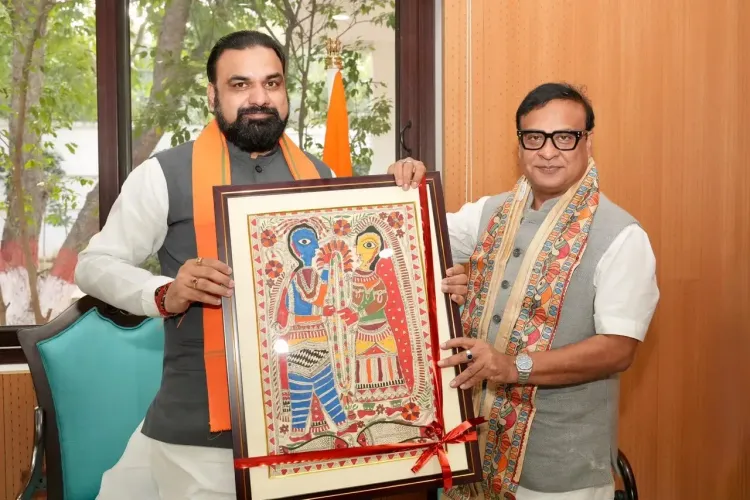
Assam CM Himanta Biswa Sarma visited Patna on November 4, 2026, for a cordial meeting with Bihar CM Samrat Choudhary. He highlighted centuries of Assam-Bihar cultural bonds, the Bihari community's economic role in Assam, and the BJP's double-engine development narrative, closing with a prayer to Maa Kamakhya for shared prosperity.
Key Takeaways
Himanta Biswa Sarma met Bihar CM Samrat Choudhary in Patna on November 4, 2026 .
Sarma described the meeting as an aatmiya bhent (heartfelt meeting), emphasising centuries-old cultural ties between Assam and Bihar.
He acknowledged the Bihari community's 'significant contribution' to Assam's economy and social life.
Both states' development journeys were framed under the BJP's 'double engine' governance model, promoted since 2014 .
Sarma closed with a prayer to Maa Kamakhya for the prosperity of both Bihar and Assam.
No specific policy announcements or joint agreements were stated in the post.
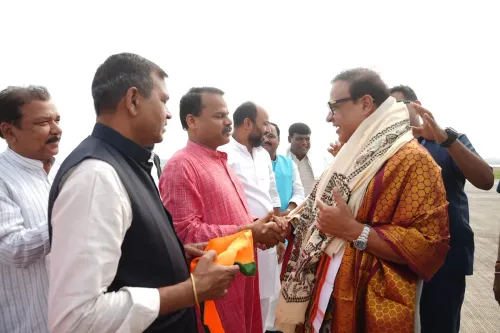
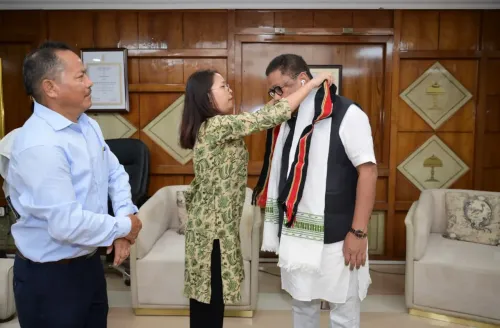
Two BJP chief ministers, one ancient cultural thread, and a shared political grammar — Assam Chief Minister Himanta Biswa Sarma travelled to Patna on Wednesday, November 4, 2026, for a warm personal meeting with Bihar Chief Minister Samrat Choudhary, invoking centuries of shared heritage between their states and the ruling party's 'double engine' development framework.
Sarma described the encounter as an 'aatmiya bhent' — a heartfelt meeting — and was effusive about the bonds between the two states. 'Bihar and Assam share centuries-old cultural ties,' he wrote. 'The Bihari community in Assam has consistently contributed to our economy and social life.'
A community that built Assam's economy
The Bihari community's presence in Assam is both deep-rooted and substantial. Generations of workers and traders from Bihar settled in Assam's tea belt, urban centres, and river-trade corridors, weaving themselves into the state's economic fabric long before the politics of migration became contested territory. Sarma's public acknowledgement of that contribution carries deliberate weight — it signals inclusivity toward a migrant community that has historically navigated complex identity politics in the Northeast.
The 'double engine' shorthand and what it means
The phrase 'double engine ki gati' — the speed of a double engine — is the BJP's signature framing for coordinated governance between BJP-ruled states and the BJP-led central government, a concept the party has actively promoted since 2014. By invoking it in the context of Assam-Bihar development, Sarma positions both states as model partners in the alliance's larger growth narrative, implicitly contrasting them with opposition-ruled states.
Such interstate courtesy visits between NDA-aligned chief ministers have become a recognisable ritual — part diplomatic optics, part alliance management, part base messaging. They rarely produce binding policy announcements but serve to reinforce the network that Sarma, as NEDA convenor, helps hold together across the Northeast.
Kamakhya's blessing and the politics of invocation
Sarma closed his post with a prayer to Maa Kamakhya — the presiding deity of the ancient Shakti temple in Guwahati, one of the most revered pilgrimage sites in India — that both Bihar and Assam may 'touch new peaks of prosperity in the years ahead.' The invocation is characteristically Sarma: culturally grounded, emotionally resonant, and politically legible to constituencies in both states who revere the temple.
What follows the handshake — joint cultural programmes, development coordination mechanisms, or anything beyond goodwill — will determine whether this visit was a milestone or a chapter marker. The warmth is real. The agenda, for now, is still being written.
Point of View
Signal alliance cohesion, and perform cultural outreach to migrant communities simultaneously. For Sarma, who anchors the BJP's northeastern bloc as NEDA convenor, maintaining warm ties with large-state CM peers like those in Bihar is both organisationally useful and electorally sensible. The explicit nod to the Bihari community in Assam is notably inclusive — it signals political recognition of a population that has historically lived on the margins of Assam's identity debates. Unless follow-up mechanisms emerge, however, the visit functions primarily as alliance optics rather than bilateral policy.
NationPress
4 Nov 2026
Frequently Asked Questions
Why did Himanta Biswa Sarma visit Patna in November 2026?
Sarma visited Patna on November 4, 2026, for a personal meeting with Bihar Chief Minister Samrat Choudhary, emphasising cultural ties between the two states and the BJP's shared development framework.
What is the 'double engine' model Sarma referred to?
The 'double engine' model is the BJP's governance concept, promoted since 2014, that describes coordinated development between BJP-ruled states and the BJP-led central government, allowing faster policy delivery.
What role does the Bihari community play in Assam?
The Bihari community has historically contributed to Assam's economy and social fabric, particularly in tea belt labour, trade, and urban commerce, as acknowledged by Sarma in his post.
What is Maa Kamakhya and why did Sarma invoke her?
Maa Kamakhya is the presiding deity of the ancient Kamakhya Shakti temple in Guwahati, Assam. Sarma invoked her blessings for the prosperity of both Bihar and Assam, a culturally resonant gesture for audiences in both states.
What is NEDA and what is Sarma's role in it?
NEDA, the North-East Democratic Alliance, is the BJP-led political coalition that governs most northeastern Indian states. Sarma serves as its convenor, making him a key broker of NDA alliances across the region.