CM Himanta Meets Civil Society at Lok Sewa Bhawan After Second Oath
Synopsis
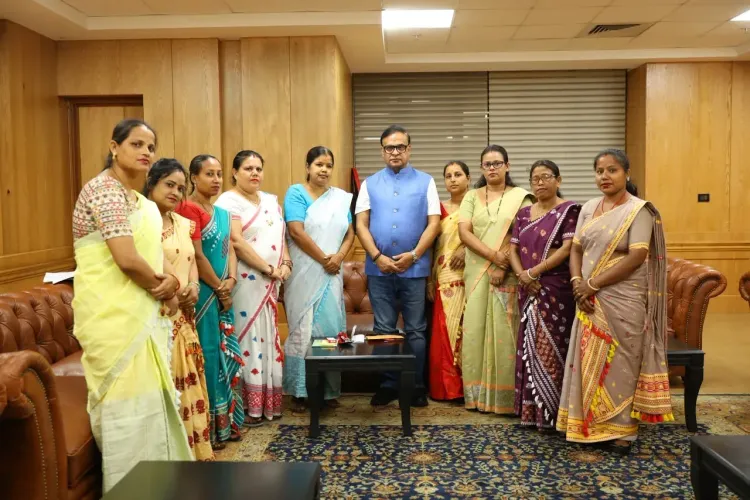
Chief Minister Himanta Biswa Sarma received civil society and institutional representatives at Lok Sewa Bhawan, Guwahati, on 7 June 2026 — his first major public interaction after beginning a second term — where he discussed welfare, development priorities, and local concerns.
Key Takeaways
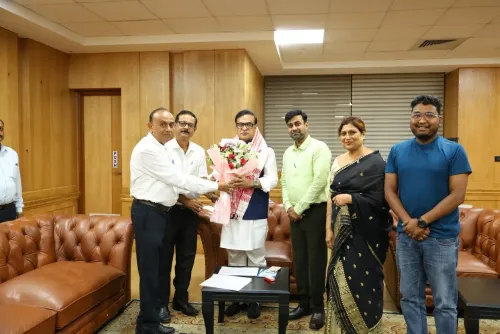
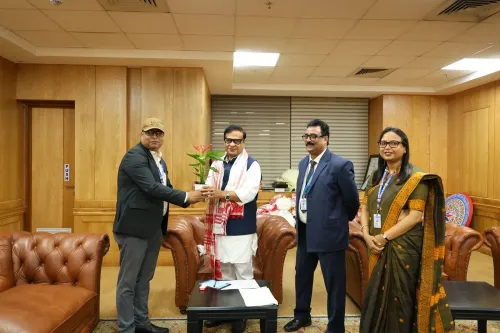
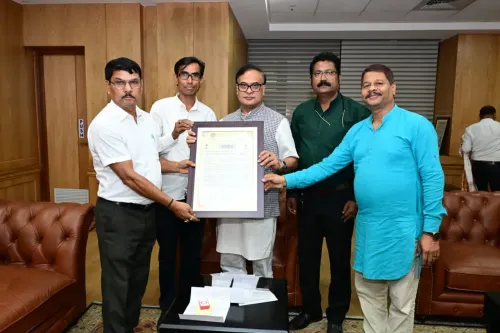
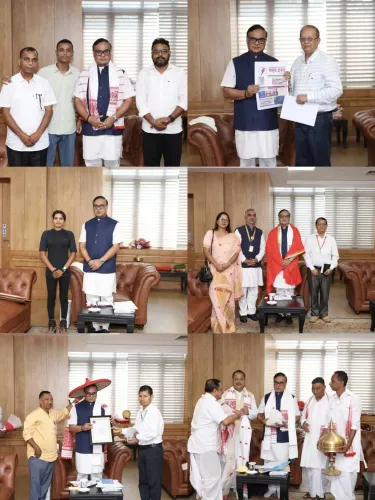
Himanta Biswa Sarma held a formal interaction with representatives of various organisations and institutions at Lok Sewa Bhawan, Guwahati on 7 June 2026 .
The meeting marked one of the first structured public engagements by the Chief Minister following his assumption of office for a second consecutive term .
Delegations extended congratulations and raised issues covering public welfare, developmental priorities, and local matters .
Sarma assured participants of 'appropriate action' on the suggestions and concerns shared during the interaction.
Such post-poll consultations are a standard feature of governance transitions in Indian states and can directly influence early budget and policy decisions.
Observers will watch for concrete follow-up announcements ahead of the monsoon season and the new assembly session.
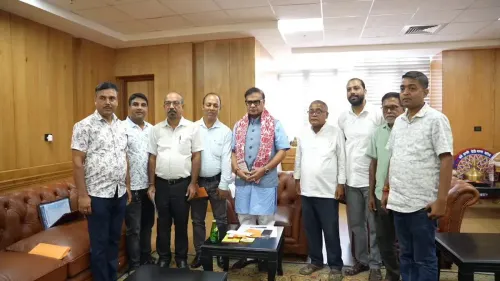
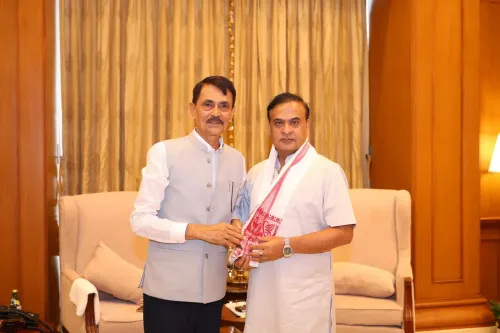
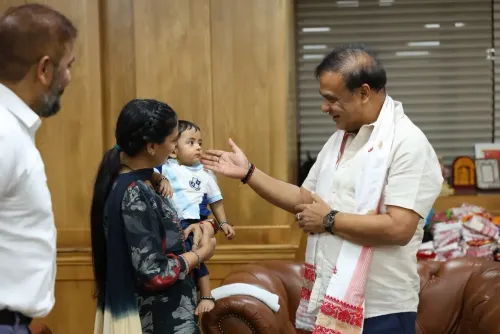
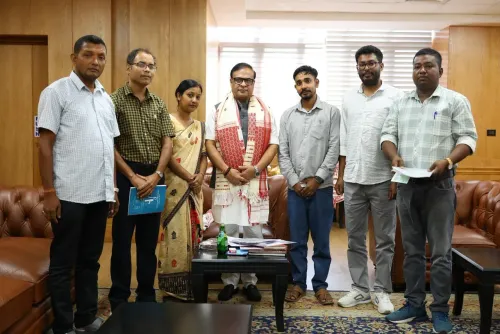
The Chief Minister's Office of Assam announced on Sunday, 7 June 2026 that Chief Minister Dr. Himanta Biswa Sarma received representatives of various organisations and institutions at Lok Sewa Bhawan, Guwahati, who called on him to extend congratulations on his assuming office as Chief Minister for a second consecutive term.
Context
The interaction at Lok Sewa Bhawan — the state government's principal administrative complex in Guwahati — was part of a series of post-swearing-in courtesy calls that are customary for newly re-elected chief ministers across Indian states. Delegations from civil society bodies, local institutions, and community organisations used the occasion to formally greet Dr. Sarma and place before him their concerns and development priorities.
According to the Chief Minister's Office, Dr. Sarma did not limit the meeting to ceremonial exchanges. He actively discussed 'public welfare, developmental priorities and local matters' and assured participants of 'appropriate action on the suggestions and concerns shared during the interaction.'
Policy Backdrop
Dr. Himanta Biswa Sarma first took charge as Chief Minister of Assam on 10 May 2021, succeeding Sarbananda Sonowal after the Bharatiya Janata Party-led coalition's victory in the state assembly elections that year. His first term was marked by a focus on infrastructure development, anti-infiltration measures, flood management, and targeted welfare schemes across the Northeast.
The Assam BJP government has since positioned itself around a combination of identity-linked governance and social-sector delivery, with flagship interventions in areas such as microfinance relief for women, education reform, and border-district development. A second term signals a mandate to deepen or expand those policy commitments.
Stakeholders and Impact
Civil society organisations and local institutions that participated in the meeting represent a broad cross-section of Assam's social fabric — from community welfare groups to professional bodies and regional associations. Their early access to the Chief Minister signals that the new administration intends to maintain an open-door posture on public grievances.
For ordinary citizens, such structured consultations at the outset of a new term can shape the government's immediate priorities — potentially influencing budget allocations, scheme design, and administrative interventions at the district level. The assurance of 'appropriate action' from Dr. Sarma will be watched closely by those who raised specific local concerns.
What's Next
Political observers will monitor whether the concerns raised during this interaction translate into concrete policy announcements in the coming weeks — particularly around the state budget, flood-preparedness measures ahead of the monsoon season, and any modifications to existing welfare schemes. The convening of the new assembly session will be another early indicator of the government's legislative priorities for the second term.
As Assam enters a new political cycle under Dr. Sarma's continued leadership, the pace and substance of early governance decisions will set the tone for how the administration balances development imperatives with the expectations of the diverse communities that make up the state.
Point of View
The quality of post-election outreach often previews the administration's appetite for course corrections, and Assam's BJP government has historically used such consultations to calibrate welfare priorities ahead of budget cycles. The breadth of organisations invited, though unspecified, will determine whether this is a broad mandate-renewal exercise or a targeted engagement with key constituency groups. How swiftly the assurances offered at Lok Sewa Bhawan convert into administrative orders will be the real test of the government's second-term intent.
NationPress
23 Oct 2026
Frequently Asked Questions
Why did CM Himanta Biswa Sarma meet organisations at Lok Sewa Bhawan?
The meeting was a post-swearing-in courtesy and consultation session where civil society representatives and institutional bodies congratulated Dr. Sarma on beginning his second term as Chief Minister of Assam and shared welfare and development concerns with him.
What is Lok Sewa Bhawan in Guwahati?
Lok Sewa Bhawan is a government administrative complex in Guwahati that houses key state offices and serves as the venue for official meetings and interactions by the Assam government.
When did Himanta Biswa Sarma first become Chief Minister of Assam?
Dr. Himanta Biswa Sarma first became Chief Minister of Assam on 10 May 2021 , after the BJP-led coalition won the state assembly elections that year, succeeding Sarbananda Sonowal.
What issues were discussed at the Lok Sewa Bhawan meeting on 7 June 2026?
According to the Chief Minister's Office, the discussion covered public welfare, developmental priorities, and local matters . Dr. Sarma assured participants of appropriate action on their suggestions and concerns.
What should we expect from Assam's new government term after these consultations?
Political observers are watching for early announcements on budget priorities, welfare scheme modifications, flood-preparedness measures ahead of the monsoon, and the convening of the new Assam assembly session as indicators of the government's second-term agenda.