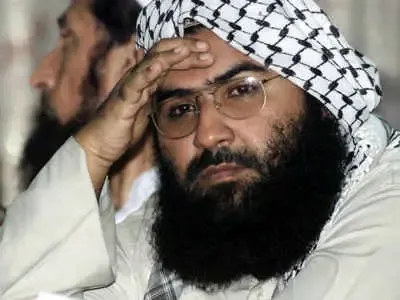
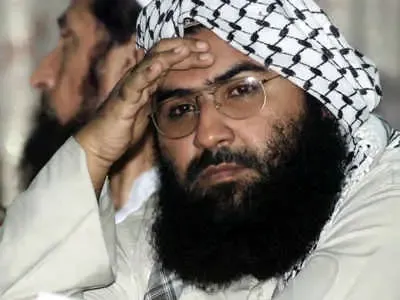
JeM deploys AI deepfakes of Masood Azhar to revive post-Sindoor recruitment
Synopsis
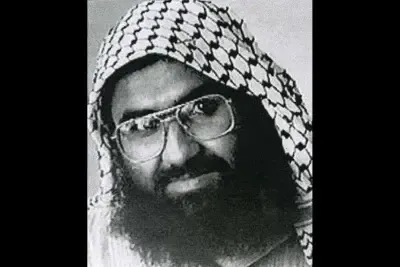
Jaish-e-Mohammed is now deploying AI-generated deepfakes of its own chief Masood Azhar — a sign of how badly Operation Sindoor damaged its leadership and recruitment pipeline. The outfit is deliberately targeting low-literacy, rural audiences in both Pakistan and India who cannot verify whether the clips are real, buying time while it hunts for a successor to an ailing Azhar.
Key Takeaways
Jaish-e-Mohammed (JeM) is generating AI deepfake audio and video of chief Masood Azhar to revive recruitment after heavy losses in Operation Sindoor .
The JeM headquarters in Bahawalpur was destroyed during Operation Sindoor, and several cadres — including Azhar family members — were killed.
Azhar has been largely absent from public view since the operation, causing a sharp drop in recruitment and cadre morale.
The AI content is deliberately targeted at low-literacy, rural audiences in Pakistan and India who cannot fact-check deepfakes.
Language-specific, region-tailored clips are reportedly being prepared for the Indian market .
The AI push is also designed to buy time while JeM seeks a successor, as Azhar is reportedly in poor health.
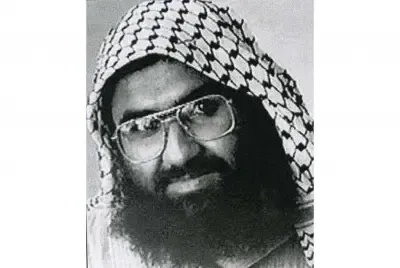
Pakistan-based terror outfit Jaish-e-Mohammed (JeM) has reportedly initiated a major push into artificial intelligence, generating fake audio and video clips of its chief Masood Azhar to rebuild a cadre base that has been in sharp decline since Operation Sindoor. Indian intelligence agencies say the move is a direct response to recruitment failures stemming from Azhar's prolonged absence from public view.
Why JeM Turned to AI
During Operation Sindoor, the JeM headquarters in Bahawalpur was destroyed and several cadres were killed, including close family members of Masood Azhar. The operation, carried out by Indian armed forces to avenge the Pahalgam attack in which several tourists were killed, dealt a severe blow to the outfit's leadership structure and morale.
With Azhar largely absent from public life since, recruitment efforts stalled. Potential recruits began questioning his whereabouts and refused to join an organisation whose leader they believed was inactive. Existing cadres, too, saw their morale erode.
Earlier attempts to paper over the crisis failed. 'Several audio and video clips that were circulated to boost both the morale as well as recruitments were called out as old and recycled. This led to the Jaish deciding to use AI extensively to change the narrative,' an Intelligence Bureau official said.
How the Deepfakes Are Being Used
The AI-generated clips are designed to portray a 'rejuvenated' Masood Azhar making strong calls for recruitment and urging followers to wage jihad against India. The goal, according to intelligence officials, is to send a clear message that Azhar remains active and in command.
Notably, the targeting is deliberate. 'The push has been exclusively made to the slightly uneducated cadres and recruits. This is deliberate as these persons do not have the capabilities of running fact checks or verifying the authenticity of the clips,' the official said. Awareness of generative AI and deepfake technology is reportedly very low in the demographics JeM is targeting.
For the Indian market, the clips are reportedly being tailored by region, with content produced in local languages. The outfit has deliberately focused on rural audiences from lower socio-economic strata, where digital media literacy remains limited.
Broader Terror Landscape and AI Adoption
Intelligence assessments indicate that Islamic State was among the first terror organisations to exploit AI, followed by Al-Qaeda, which is also ramping up its use of the technology. Pakistan-based outfits such as Lashkar-e-Taiba (LeT) and JeM have, until recently, largely relied on conventional methods of communication and mobilisation. JeM's current shift marks a significant tactical evolution for the outfit.
Succession Concerns Behind the Push
Intelligence officials say the AI strategy is not merely about the present recruitment crisis — it is also a bridge to the future. According to officials, Azhar is reportedly in poor health and is 'incapable of leading from the front.' The JeM is said to be using AI-generated content to buy time while it identifies a credible successor.
'By using AI-generated videos, the Jaish not only plans to enhance the recruitment drive, but also seeks to buy time until it finds a replacement,' an official said. The outfit recognises that without a strong successor in place, its long-term viability is at risk.
Security Implications
The development raises fresh concerns for Indian counter-terrorism agencies, which must now contend with synthetic media as a tool of radicalisation. The challenge is compounded by the fact that for ordinary recruits and low-literacy audiences, distinguishing AI-generated content from authentic footage is increasingly difficult. Security agencies are expected to step up digital surveillance and awareness campaigns in vulnerable regions as JeM's AI-driven outreach extends deeper into rural India.
Point of View
Credible Masood Azhar, so it is manufacturing one. What is alarming is not the deepfake itself but the targeting logic: deliberately bypassing digitally literate audiences to focus on those least equipped to identify synthetic media. This is a radicalisation playbook built on exploiting the information gap, and Indian security agencies will need counter-messaging strategies that go well beyond surveillance. The succession question is the deeper fault line: if JeM cannot find a unifying figurehead, AI can delay the crisis but not resolve it.
NationPress
31 Oct 2026
Frequently Asked Questions
Why is Jaish-e-Mohammed using AI deepfakes of Masood Azhar?
JeM is using AI-generated audio and video of Masood Azhar because his prolonged absence from public view — following Operation Sindoor — caused a severe decline in recruitment and cadre morale. Potential recruits demanded proof that Azhar was still active, and the outfit could not provide it convincingly through authentic footage.
What did Operation Sindoor do to Jaish-e-Mohammed?
Operation Sindoor, carried out by Indian armed forces to avenge the Pahalgam attack, destroyed JeM's headquarters in Bahawalpur and killed several cadres, including close family members of Masood Azhar. The operation effectively drove the outfit's top leadership out of public view and crippled its recruitment machinery.
Who is JeM targeting with these AI deepfakes?
According to intelligence officials, JeM is deliberately targeting low-literacy and rural audiences in both Pakistan and India, where awareness of generative AI is very low. The clips are reportedly being customised by region and local language for the Indian market.
Is Masood Azhar still leading Jaish-e-Mohammed?
Azhar is reportedly in poor health and is described by intelligence officials as 'incapable of leading from the front.' His public absence has fuelled uncertainty within the outfit, and JeM is said to be searching for a successor while using AI-generated content to project an image of active leadership.
How does JeM's use of AI compare to other terror groups?
Intelligence assessments indicate that Islamic State was the quickest to exploit AI among major terror organisations, with Al-Qaeda also advancing its use of the technology. JeM and Lashkar-e-Taiba had until recently relied on conventional communication methods, making JeM's current AI push a significant tactical shift for Pakistan-based outfits.