Masood Azhar in Crisis: JeM Cadres Demand Truth After Operation Sindoor
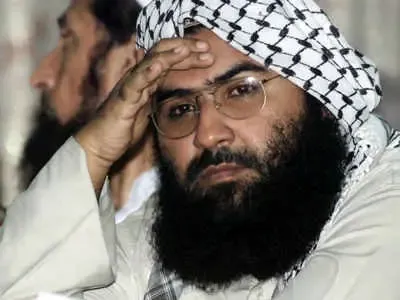
Synopsis
Indian intelligence confirms Masood Azhar is emotionally broken and physically weakened after Operation Sindoor killed close family members. JeM cadres are demanding answers, prayer meetings signal internal panic, and the outfit is quietly hunting for a new leader — marking the most serious internal crisis in JeM's 25-year history.
Key Takeaways
Indian intelligence agencies confirm Masood Azhar is physically fragile and mentally broken but not in a life-threatening condition as of April 2025 .
Operation Sindoor killed several of Azhar's close family members , triggering his complete withdrawal from JeM leadership and public life.
JeM's top leadership has been circulating old videos and audio clips of Azhar to suppress cadre unrest, but the strategy has failed as demands for transparency grow louder.
Frequent prayer meetings held within JeM for Azhar's health inadvertently sparked rumours about his grave condition, fuelling internal panic.
New JeM recruits are no longer being met by Azhar personally — a significant departure from tradition that has demoralised both new and existing members.
Indian agencies confirm a quiet search for Azhar's successor is underway within JeM, marking the most serious leadership crisis in the outfit's 25-year history .
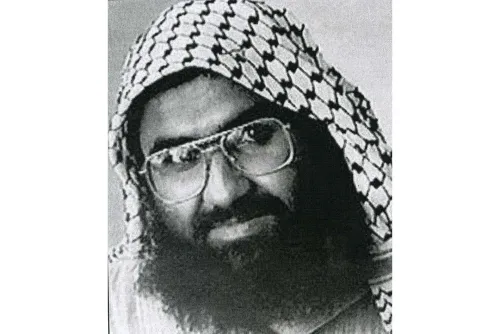
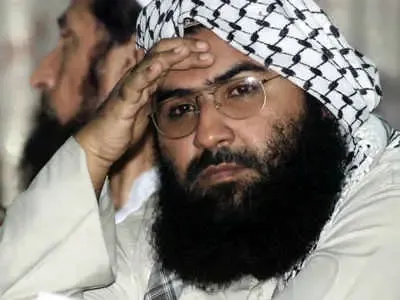
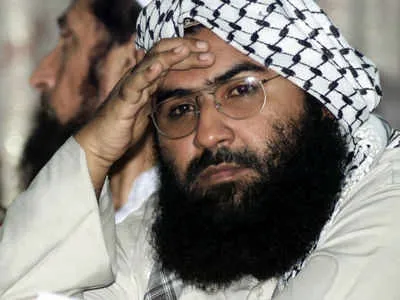
New Delhi, April 24: The fate of Jaish-e-Mohammad (JeM) chief Masood Azhar has become one of Pakistan's most closely guarded secrets, with Indian intelligence agencies confirming that the globally designated terrorist is in a significantly weakened physical and psychological state following Operation Sindoor. Azhar, once the fiery face of cross-border terrorism against India, has retreated entirely from public view, triggering unprecedented internal unrest within the JeM — a group responsible for some of India's deadliest terror attacks.
Azhar's Condition: What Indian Intelligence Confirms
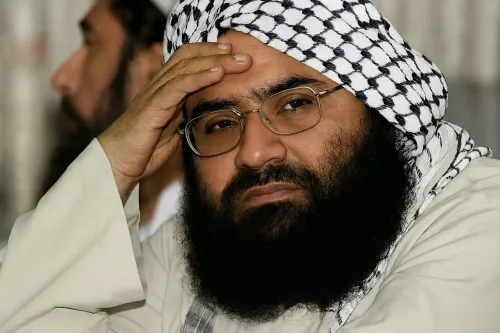
According to senior officials from Indian intelligence agencies, Masood Azhar is not on his deathbed, contrary to rumours circulating within JeM ranks. However, the officials confirm that his health is fragile and his mental state has deteriorated sharply. He is described as being "mentally down" and emotionally broken.
The JeM's top leadership has deliberately kept Azhar away from his cadres, reportedly because they do not want rank-and-file members to witness his diminished condition. This enforced isolation has only deepened suspicion and anxiety within the outfit.
A senior official stated that Azhar lost several close family members during Operation Sindoor, and the personal grief has shattered him. Since then, he has refused to meet members of his own organisation and communicates only with a small, trusted inner circle.
Operation Sindoor's Devastating Impact on JeM Leadership
Operation Sindoor, India's precision military response targeting terror infrastructure across the border, inflicted significant personal and organisational losses on the Jaish-e-Mohammad. Before the operation, despite existing health challenges, Azhar was still making periodic public appearances and regularly interacting with his cadres — a practice that formed the core of his leadership persona.
Officials note that Azhar was known for his electrifying speeches, his ability to inspire recruits, and his hands-on approach to running the organisation. His oratory and personal charisma were central to JeM's recruitment pipeline and operational morale. All of that has now ceased.
An Intelligence Bureau (IB) official stated: "This is the first time that Azhar appears genuinely vulnerable. His speeches and the manner in which he conducted himself are what made him so popular among his cadre. All these aspects are now missing, and this has, in turn, demoralised the cadres."
Internal Turmoil: Prayer Meetings, Rumours, and Recruitment Crisis
Indian agencies have intercepted intelligence indicating that regular prayer meetings are being held within JeM circles, ostensibly for Azhar's recovery. Officials note that the unusually high frequency of these prayer gatherings is precisely what triggered rumours about his health in the first place — cadres began reading the prayers as a sign that their chief was gravely ill.
The JeM leadership initially attempted to suppress the rumours by circulating old videos and audio recordings of Azhar to the cadres. This strategy bought some time but has since failed, with members growing increasingly vocal in demanding direct information about their chief.
Recruitment into JeM continues, but at a significantly reduced scale. Critically, new recruits — who previously considered a personal meeting with Azhar a defining moment of joining the outfit — are now being addressed by secondary leaders. Officials say this has diluted the appeal of joining the group and further demoralised existing members.
Leadership Vacuum: The Hunt for Azhar's Successor
Indian intelligence officials say the JeM leadership is acutely aware that the current situation is unsustainable. The top brass is reportedly conducting a quiet search for a new operational leader who can fill the vacuum left by Azhar's withdrawal from active leadership.
Officials indicate that the full truth about Azhar's condition will likely only be disclosed to cadres once a credible successor is identified and positioned. Until then, the leadership is expected to continue managing the information blackout, even as internal pressure mounts.
This development marks a historic inflection point for Jaish-e-Mohammad, which Azhar founded in 2000 after being released from Indian custody in exchange for passengers of the hijacked IC-814 flight. The organisation went on to claim responsibility for the 2001 Indian Parliament attack, the 2016 Pathankot airbase attack, and the 2019 Pulwama suicide bombing that killed 40 CRPF personnel — the deadliest attack on Indian security forces in decades.
Strategic Implications for India and Regional Security
A leadership crisis within JeM carries significant implications for regional security. Historically, internal power struggles within terrorist organisations have led to splinter factions, unpredictable lone-wolf attacks, or attempts to orchestrate a high-profile strike to reassert relevance — a pattern seen with groups like Al-Qaeda and the Islamic State during their own leadership transitions.
Analysts note that Pakistan's military establishment, which has historically used JeM as a strategic asset against India, now faces the challenge of managing a destabilised outfit without a commanding figurehead. The timing is particularly sensitive given ongoing diplomatic and military pressure on Islamabad following Operation Sindoor.
As Indian agencies continue to monitor developments within JeM, the coming weeks will be critical in determining whether the organisation can execute a controlled leadership transition or whether it fractures under the weight of uncertainty — an outcome that could reshape the terror landscape in South Asia.
Point of View
Islamabad used JeM as a deniable instrument of state policy against India; Azhar was the indispensable face of that machinery. Operation Sindoor has now done what years of UN sanctions, global pressure, and diplomatic isolation could not — it has broken the man and destabilised the machine. The mainstream narrative focuses on military strikes; the deeper story is that India may have triggered a leadership crisis inside JeM that could prove more consequential than any single operation. The real test now is whether Indian agencies can exploit this vacuum before Pakistan's deep state engineers a managed succession.
NationPress
15 Sept 2026
Frequently Asked Questions
What is the current health condition of Masood Azhar?
According to Indian intelligence officials, Masood Azhar is physically fragile and mentally broken but is not facing a life-threatening condition. He has withdrawn entirely from public appearances and refuses to meet JeM cadres following personal losses during Operation Sindoor.
What happened to Masood Azhar after Operation Sindoor?
Operation Sindoor resulted in the deaths of several of Azhar's close family members, which has left him emotionally devastated. Since the operation, he has confined himself to his home and communicates only with a small inner circle, effectively abandoning active leadership of JeM.
Is Jaish-e-Mohammad looking for a new leader?
Yes, Indian intelligence agencies confirm that JeM's top leadership is quietly searching for a new operational leader to fill the vacuum created by Azhar's withdrawal. Officials say the truth about Azhar's condition will likely be disclosed to cadres only after a successor is identified.
Why are JeM cadres upset about Masood Azhar?
JeM cadres are upset because Azhar, who was known for personally meeting recruits and delivering motivational speeches, has completely disappeared from view. The frequency of internal prayer meetings for his health triggered rumours of serious illness, and the leadership's refusal to provide clarity has deepened distrust.
What is Jaish-e-Mohammad and why is Masood Azhar significant?
Jaish-e-Mohammad is a Pakistan-based terrorist organisation founded by Masood Azhar in 2000 after his release from Indian custody during the IC-814 hijacking crisis. The group has been responsible for major attacks including the 2001 Parliament attack, 2016 Pathankot airbase attack, and the 2019 Pulwama bombing that killed 40 CRPF personnel.