Leadership Crisis Deepens in JeM Following Anwar's Death
Synopsis
The recent death of Hakim Mohammad Tahir Anwar, a significant figure in the Jaish-e-Mohammad, has exacerbated the leadership challenges for the terror group. This development unfolds amidst a backdrop of demoralization and attempts to regroup after substantial losses.
Key Takeaways
Hakim Mohammad Tahir Anwar's passing deepens leadership struggles in JeM .
The group is facing significant challenges in regrouping post- Operation Sindoor .
Family ties complicate leadership transitions within the organization.
Trust issues hinder the appointment of outsiders to key positions.
Indian security forces remain vigilant against potential threats.
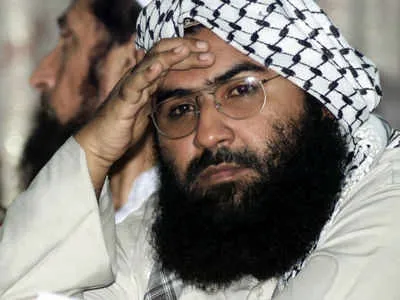
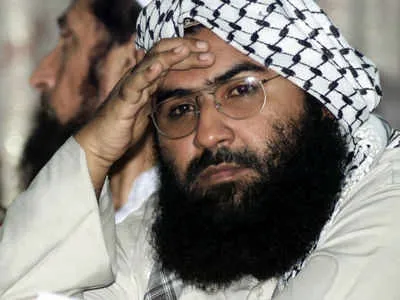
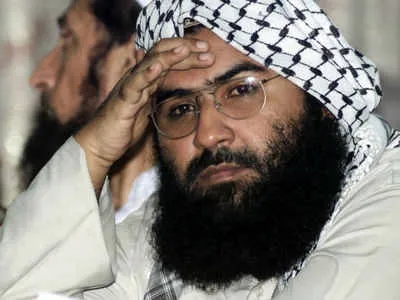
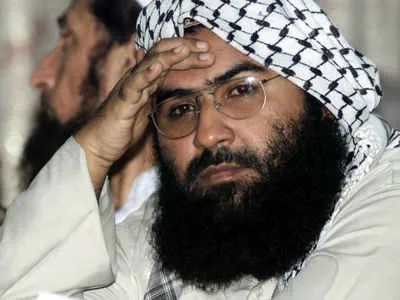
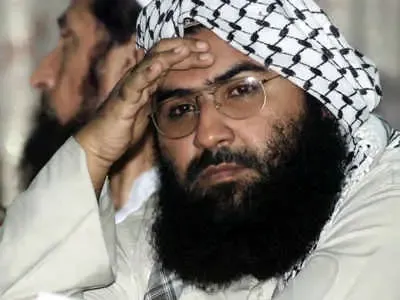
New Delhi, March 31 (NationPress) The passing of Hakim Mohammad Tahir Anwar, brother of Jaish-e-Mohammad (JeM) leader Masood Azhar, has significantly deepened the leadership crisis within the militant organization.
An official from the Intelligence Bureau indicated that Anwar held a crucial position in the JeM, leading its armed forces. His demise is expected to severely hinder the operational capabilities of the group.
This loss occurs as the JeM is already grappling with challenges in re-establishing itself, following the substantial impact of Operation Sindoor launched by Indian Armed Forces in retaliation for the Pahalgam attack.
The same official noted that Azhar is now in a vulnerable state, having lost numerous family members during the operation. His attempts to communicate directly with the militants have been unsuccessful, largely due to his demoralization and heightened security risks, as he is a prime target on India’s most wanted list.
During this critical period, Anwar, along with another brother, Ibrahim Azhar, was responsible for operational management. Ibrahim oversaw activities in Afghanistan, while Anwar commanded the armed units.
According to another intelligence source, the structure of the JeM is predominantly family-oriented. Azhar and his four siblings maintained strict control and exhibited profound mistrust towards outsiders assuming significant leadership roles.
Post-Operation Sindoor, Azhar reported that he lost ten family members, including his elder sister, her spouse, a nephew, his wife, a niece, and five children.
The official highlighted that the death of Anwar amplifies Azhar's grief as he and the JeM cope with these substantial losses.
For the JeM to falter, the family unit must be destabilized. This shift would fundamentally alter the operational dynamics of the organization.
Finding suitable replacements for lost family members poses a significant challenge, as there are deep-seated trust issues within the Azhar family regarding the appointment of outsiders to key positions. Azhar’s inner circle consists mainly of trusted aides.
Consequently, Azhar may be compelled to appoint family members to fill the vacancies left by the deceased.
Assessment reports from intelligence agencies suggest that these changes will lead to a sluggish revival process for the JeM. Outsiders will first need to earn the family's trust before they can engage directly with the militants, a process that will require considerable time.
In the interim, the JeM may resort to propaganda efforts to maintain cadre interest, as well as attempt to establish modules across India that align with their ideology.
Efforts are underway to replicate modules similar to the one dismantled in Faridabad.
Like Lashkar-e-Taiba, the JeM is keen on fostering more indigenous modules in India, rather than relying on infiltrations from Pakistan, at least for the time being.
Indian agencies and military forces remain on high alert, making infiltration efforts extremely challenging for these terrorist organizations, according to officials.
The news of Anwar’s death was disseminated by Masood Azhar himself through a letter, wherein he expressed, “My dear elder brother Hakeem Mohammad Tahir Anwar has passed away.” The circumstances surrounding his death are currently under investigation. The message also indicated that the funeral would take place at Jamia Usman-o-Ali in Bahawalpur.
Point of View
The situation surrounding Jaish-e-Mohammad illustrates the complexities of militant organizations that are often entrenched in familial ties. The loss of key leaders not only impacts operational capabilities but also poses significant challenges in trust and leadership dynamics, ultimately affecting national security.
NationPress
7 Oct 2026
Frequently Asked Questions
Who was Hakim Mohammad Tahir Anwar?
Hakim Mohammad Tahir Anwar was a key leader in the Jaish-e-Mohammad, responsible for overseeing armed operations within the organization.
What impact did Anwar's death have on JeM?
Anwar's death has led to a significant leadership crisis within JeM, hampering its ability to regroup and operate effectively after recent losses.
What is Operation Sindoor?
Operation Sindoor was a military operation launched by Indian Armed Forces in response to the Pahalgam attack, significantly affecting the activities of the Jaish-e-Mohammad.
How does family play a role in JeM's leadership?
JeM's leadership is heavily family-driven, with Masood Azhar and his brothers holding key positions, which complicates the appointment of outsiders in leadership roles.
What are the implications of Anwar's death for national security?
The leadership vacuum created by Anwar's death may slow JeM's revival efforts, potentially reducing immediate threats but also indicating a shift in operational dynamics.