Assam's 100-day farm report: ₹373 crore disbursed, 1.46 lakh houses built
Synopsis
Assam CM Himanta Biswa Sarma's 100-day progress report for the NDA 3 government packs three headline claims: ₹373 crore disbursed to 18.60 lakh farmers under PM-KISAN, 1.46 lakh rural houses delivered under PMAY-G, and a national first — Assam becoming the first state to roll out VB-GRAM-G for rural employment.
Key Takeaways
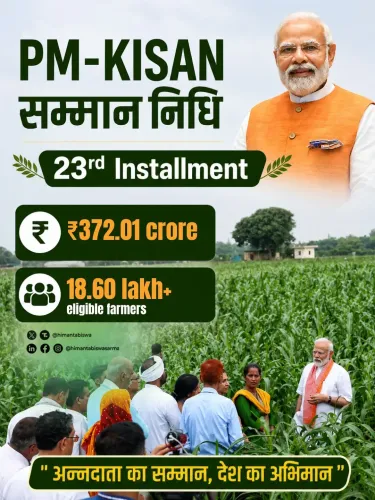
Assam CM Himanta Biswa Sarma released a 100-day agriculture and rural development progress report on 21 August . ₹373 crore disbursed under PM-KISAN , benefiting 18.60 lakh farmers in Assam.
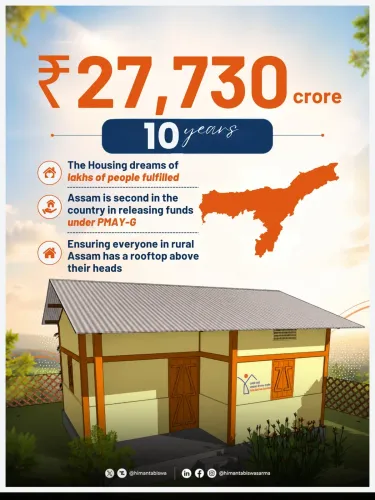
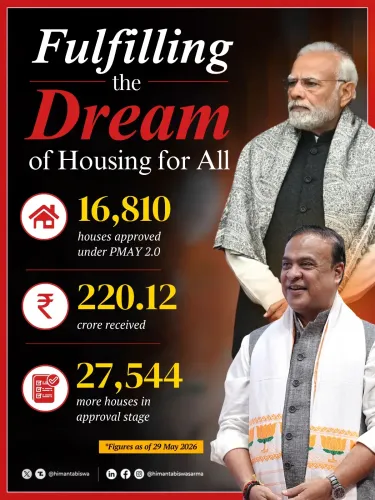
1,46,550 rural families received homes under Pradhan Mantri Awas Yojana-Gramin (PMAY-G) .
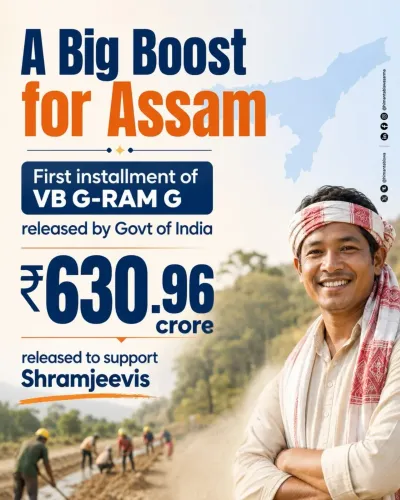
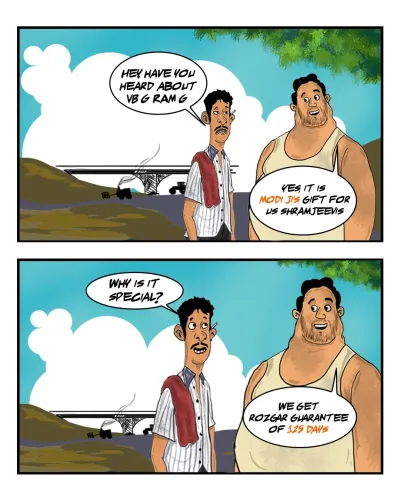
Assam became the first state in India to roll out the VB-GRAM-G rural employment initiative.
The report frames the first 100 days of the NDA 3 government as a phase of direct welfare delivery combined with structural rural development.
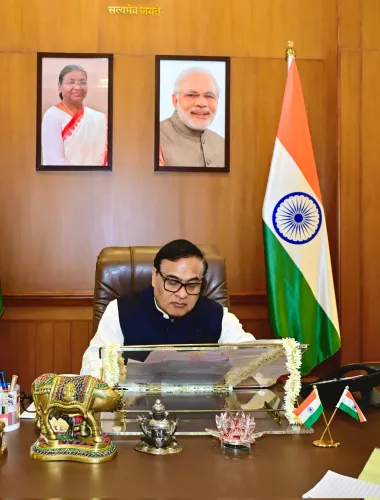
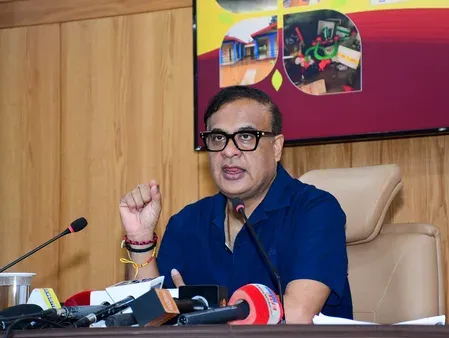
Assam Chief Minister Himanta Biswa Sarma on Friday, 21 August outlined the state's agriculture and rural development milestones during the first 100 days of the NDA 3 government, citing direct farmer payments, rural housing completions, and a national first in rural employment policy. The progress report underscores the state government's stated priority of linking welfare transfers with structural improvements in Assam's rural economy.
Farmer Support Under PM-KISAN
According to Sarma, ₹373 crore has been disbursed under the Pradhan Mantri Kisan Samman Nidhi (PM-KISAN) scheme, reaching 18.60 lakh farmers across Assam. PM-KISAN provides direct income support to eligible farmer families, and the scale of coverage — nearly 18.6 lakh beneficiaries in 100 days — is being highlighted by the state as evidence of accelerated delivery in the agriculture sector.
Rural Housing Push Under PMAY-G
On the housing front, 1,46,550 rural families have received homes under the Pradhan Mantri Awas Yojana-Gramin (PMAY-G), the rural housing scheme aimed at providing pucca houses to eligible households. The state government has positioned this as a key indicator of improved living conditions in villages across Assam's districts.
Assam Becomes First State to Roll Out VB-GRAM-G
A notable claim in Sarma's update is that Assam has become the first state in India to roll out VB-GRAM-G, described as an initiative aimed at strengthening rural employment and development. Details on the specific scope and funding of VB-GRAM-G were not elaborated in the Chief Minister's post, but it was cited as a significant step in Assam's rural development agenda.
Broader Context and What It Signals
Agriculture and rural livelihoods remain the backbone of Assam's economy, with a significant share of the state's population dependent on farming and allied activities. This comes amid the NDA government's broader national push to expand direct benefit transfers and improve rural infrastructure in its third term. Notably, the 100-day benchmark has become a standard political communication tool for state governments to signal governance momentum. Sarma's post on X framed the period as one of 'purposeful action', combining direct welfare support with employment and housing measures. Whether these figures translate into sustained rural income improvement will be watched in subsequent quarterly reviews.
Point of View
Land fragmentation, low agricultural productivity — that direct transfers alone cannot resolve. The 100-day window is too short to judge outcomes; the real test will come at the one-year mark, when disbursement figures must translate into measurable income and employment data.
NationPress
21 Aug 2026
Frequently Asked Questions
What did Assam CM Himanta Biswa Sarma announce in his 100-day progress report?
Sarma highlighted three key achievements: ₹373 crore disbursed to 18.60 lakh farmers under PM-KISAN, 1,46,550 rural families housed under PMAY-G, and Assam becoming the first state in India to roll out VB-GRAM-G. The report covers the first 100 days of the NDA 3 government.
How much was disbursed under PM-KISAN in Assam in 100 days?
₹373 crore was disbursed under the Pradhan Mantri Kisan Samman Nidhi (PM-KISAN) scheme, benefiting 18.60 lakh farmer families in Assam during the first 100 days of the NDA 3 government.
What is VB-GRAM-G and why is Assam's rollout significant?
VB-GRAM-G is a rural employment and development initiative. Assam is reportedly the first state in India to roll out the scheme, according to CM Sarma's post. Specific details on its funding and scope were not elaborated in the announcement.
How many rural houses were built in Assam under PMAY-G in 100 days?
1,46,550 rural families received houses under the Pradhan Mantri Awas Yojana-Gramin (PMAY-G) scheme during the first 100 days of the NDA 3 government in Assam.
Why does the 100-day report matter for Assam?
Agriculture and rural livelihoods are central to Assam's economy, with a large share of the population dependent on farming. The report signals the state government's intent to prioritise direct welfare delivery and rural infrastructure in its current term, though sustained outcomes will be assessed over a longer period.