CM Himanta Launches VB G-RAM G Scheme for Assam's Rural Jobs

Synopsis
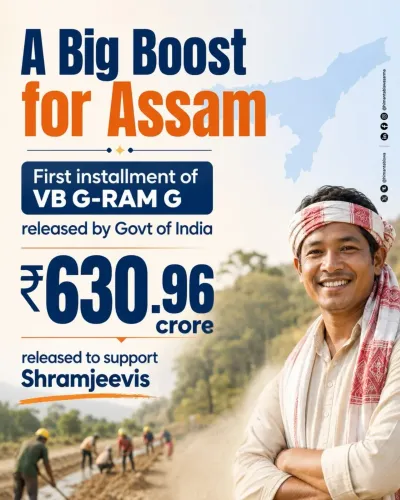
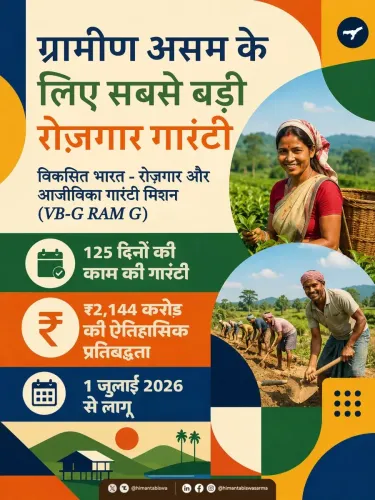
Assam Chief Minister Himanta Biswa Sarma has introduced the VB G-RAM G scheme, promising 125 days of guaranteed rural employment — 25 days more than MGNREGA — with a focus on infrastructure linkage and digital transparency across the state's villages.
Key Takeaways
Assam CM Himanta Biswa Sarma announced the VB G-RAM G scheme on 5 July 2026 .
The scheme guarantees 125 days of rural employment, surpassing MGNREGA's 100-day ceiling by 25 days .
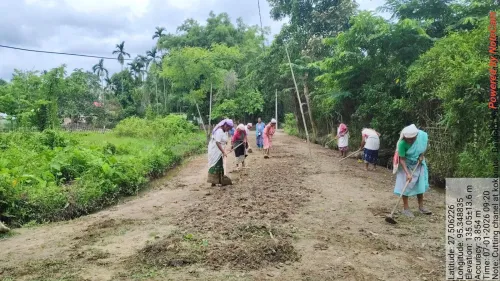
All projects under the scheme are tied to infrastructure needs , ensuring durable asset creation alongside wage employment.
The programme features improved transparency mechanisms, aimed at reducing leakage and ensuring wages reach rural households.
The initiative aligns with a broader BJP-state trend of differentiating rural employment programmes from the central MGNREGA template.
The North-East region may look to the scheme as a potential model under the NEDA umbrella.
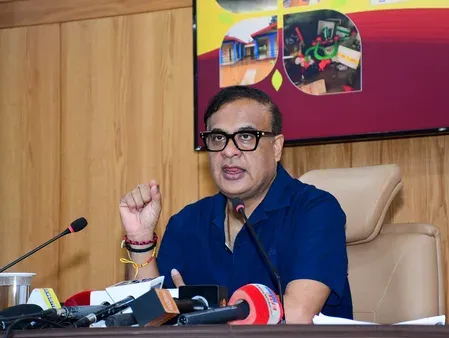
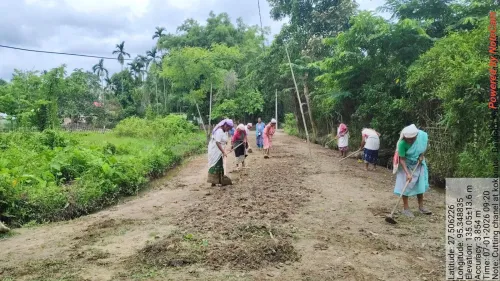
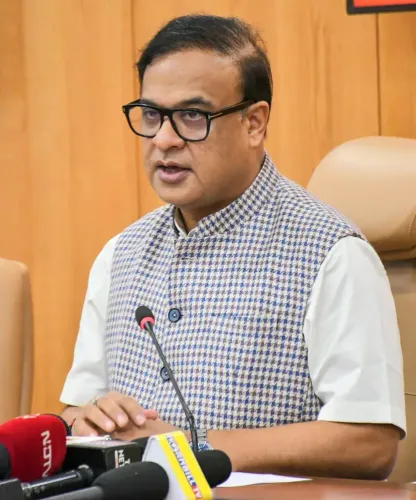
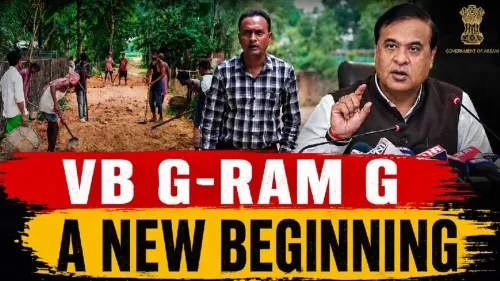
Assam Chief Minister Himanta Biswa Sarma on Sunday, 5 July 2026, announced that the state's rural landscape is being transformed by the introduction of the VB G-RAM G scheme, a rural employment initiative that guarantees 125 days of wage work — surpassing the 100-day ceiling under the central MGNREGA framework — while tying all projects to the country's infrastructure needs.
Context
CM Sarma described the mood in Assam's villages as one of 'excitement,' pointing to the scheme's twin pillars: guaranteed employment and improved transparency. The announcement signals the state government's intent to move beyond the standard central template and offer rural households a more robust safety net. The Chief Minister has been steering Assam's rural development agenda since taking office in 2021, consistently stressing convergence between wage employment and durable asset creation.
Policy Backdrop
The Mahatma Gandhi National Rural Employment Guarantee Act (MGNREGA), enacted in 2005, guarantees up to 100 days of paid work per rural household annually and remains the bedrock of rural employment policy across India. The VB G-RAM G scheme, by promising 125 days, extends that floor by 25 days, offering greater income security to vulnerable households. BJP-governed states have increasingly sought to differentiate their programmes from the central template by raising guaranteed days and linking works to measurable infrastructure outcomes — a trend that accelerated after 2014 with the national emphasis on digital transparency and asset creation.
Assam's rural development policy since 2021 has explicitly focused on convergence: ensuring that employment-scheme works feed into roads, irrigation channels, and other lasting infrastructure rather than generating isolated, low-impact projects. The VB G-RAM G scheme appears to formalise that convergence approach into a single branded programme.
Stakeholders and Impact
Assam has a large rural population dependent on seasonal agriculture, and the additional 25 days of guaranteed wages could provide meaningful income support during lean agricultural months. Rural households stand to benefit directly, while the infrastructure linkage means that local roads, water bodies, and public assets are also expected to improve. The scheme's emphasis on 'improved transparency' suggests digital tracking of work attendance and payments — a feature designed to reduce leakage and ensure wages reach intended beneficiaries.
Construction and civil-works contractors operating in rural Assam are also stakeholders, as infrastructure-linked employment schemes generate demand for materials and project supervision. The broader North-East region, where CM Sarma convenes the North-East Democratic Alliance (NEDA), may watch the scheme's rollout as a potential model for other member states.
What's Next
Analysts will track Assam's state budget allocations earmarked for the VB G-RAM G scheme and any formal convergence guidelines that the Union Ministry of Rural Development may issue in the coming financial year. The scheme's transparency mechanisms — likely involving digital wage payments and geo-tagged project monitoring — will be closely watched as a test of whether the higher employment guarantee translates into verifiable on-ground outcomes. If early results are positive, the model could inform rural employment policy discussions at the national level.
Point of View
Going beyond the central MGNREGA floor in a state where agriculture-dependent households are a significant vote bloc. By tying employment to infrastructure outcomes, the scheme attempts to answer a long-standing criticism of wage-employment programmes — that they generate activity without lasting public assets. The transparency emphasis also signals awareness of past leakage concerns that have dogged rural employment schemes nationally. If implementation matches the announcement, it could strengthen the BJP's rural credentials in Assam ahead of future electoral cycles and offer a template for other NEDA-member states.
NationPress
3 Oct 2026
Frequently Asked Questions
What is the VB G-RAM G scheme in Assam?
The VB G-RAM G is an Assam state rural employment scheme announced by CM Himanta Biswa Sarma that guarantees 125 days of wage employment to rural households — 25 days more than the central MGNREGA — and links all projects to infrastructure development needs.
How is VB G-RAM G different from MGNREGA?
While MGNREGA guarantees up to 100 days of rural employment nationally, Assam's VB G-RAM G scheme raises that guarantee to 125 days and explicitly ties projects to infrastructure outcomes, with a stronger emphasis on digital transparency.
Who benefits from the VB G-RAM G scheme?
Rural households in Assam are the primary beneficiaries, particularly those dependent on seasonal agriculture who need income support during lean months. The infrastructure linkage also benefits local communities through improved roads, irrigation, and public assets.
When was the VB G-RAM G scheme announced?
Assam Chief Minister Himanta Biswa Sarma announced the scheme on 5 July 2026 via a post on X, describing rural Assam as 'buzzing with excitement' over its introduction.
What does improved transparency mean under the VB G-RAM G scheme?
Improved transparency likely refers to digital mechanisms for tracking work attendance, wage payments, and project progress — measures designed to reduce leakage and ensure benefits reach intended rural beneficiaries directly.