CM Himanta Launches VB-G RAM G for Assam Village Jobs
Synopsis
Assam Chief Minister Himanta Biswa Sarma declared on 1 July 2026 that the VB-G RAM G scheme is now operational, pledging stronger employment and livelihood outcomes for the state's rural population under the BJP-led government's village-development agenda.
Key Takeaways
CM Himanta Biswa Sarma announced the launch of the VB-G RAM G scheme on 1 July 2026 .
The scheme targets Assam's rural households , promising greater employment and livelihood support.
The initiative aligns with the BJP-led Assam government's consistent focus on village-level development since 2016 .
India's foundational rural employment law, MGNREGA (2005) , guarantees at least 100 days of wage work annually for eligible rural families.
Progress metrics and employment figures are expected to be disclosed during Assam assembly sessions or annual rural development reviews.
Assam Chief Minister Himanta Biswa Sarma announced on Wednesday, 1 July 2026 that the VB-G RAM G scheme is now underway, with the state government promising expanded employment opportunities and stronger livelihood support for rural households across Assam.
Context
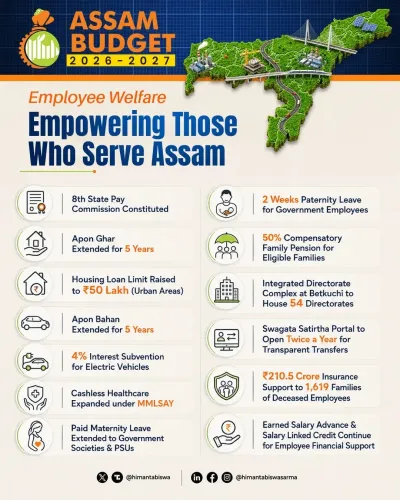
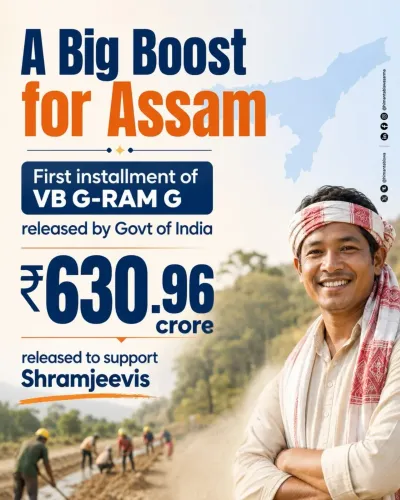
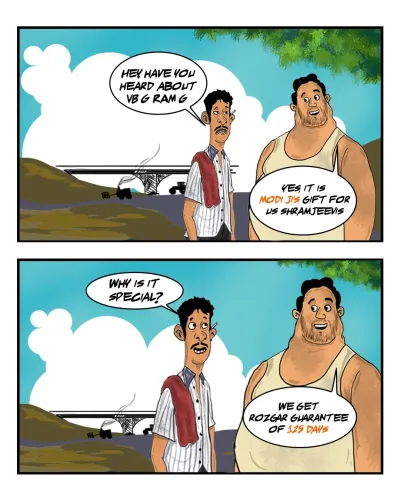
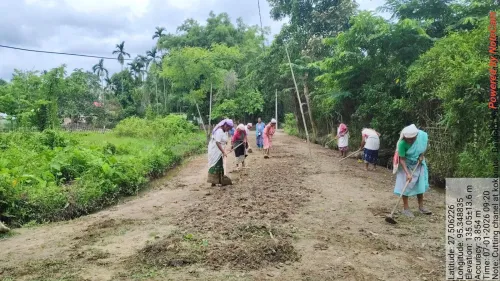
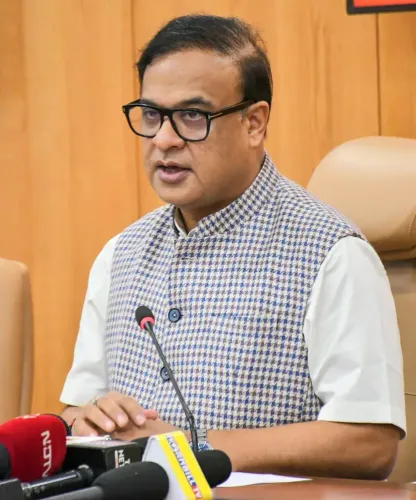
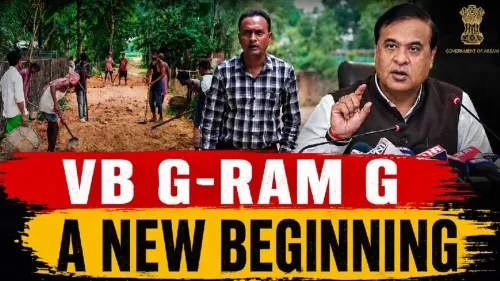
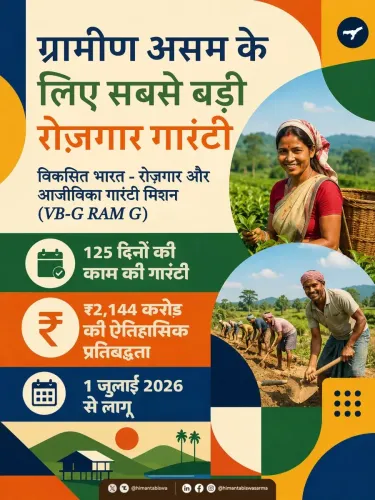
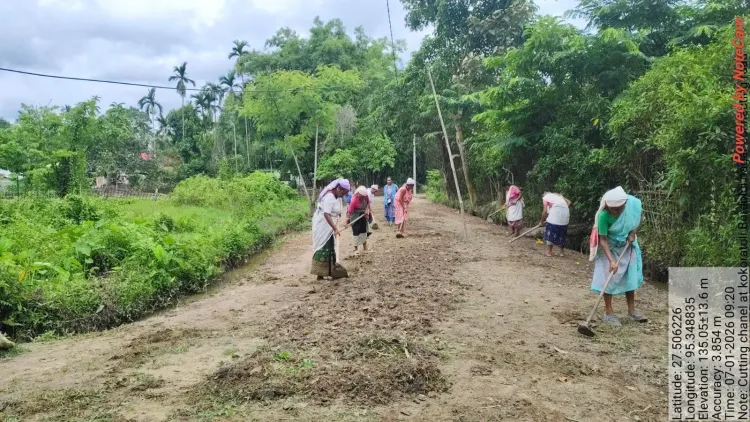
Posting on X, CM Sarma wrote: 'With VB-G RAM G now underway, our villages are set to benefit from greater employment and stronger livelihood.' The announcement, accompanied by four images, signals the formal roll-out of a village-focused welfare initiative under the BJP-led Assam government. The post underlines the administration's stated priority of directing development resources to the grassroots level.
The Chief Minister has served as head of the Assam government since May 2021 and is also convenor of the North-East Democratic Alliance (NEDA), giving him a regional platform to champion rural development frameworks that extend beyond Assam's borders.
Policy Backdrop
Rural employment in India has long been anchored by the Mahatma Gandhi National Rural Employment Guarantee Act (MGNREGA), enacted in 2005, which guarantees at least 100 days of wage employment annually to eligible rural households. State governments routinely layer their own schemes on top of the central framework to address local gaps in income support and infrastructure.
Assam's emphasis on village-level employment is consistent with a broader pattern that the BJP-led state government has followed since 2016, aligning with national rural development priorities that focus on self-employment and infrastructure investment across the North-East. The VB-G RAM G initiative appears to sit within this continuum, though its precise structure and funding details are yet to be officially elaborated.
Stakeholders and Impact
Assam's rural households are the primary beneficiaries named in the announcement. The state has a substantial agrarian population, and any scheme that promises additional employment days or livelihood support carries direct implications for household incomes in districts where farm earnings remain seasonal and irregular.
Local panchayat bodies and district-level rural development offices are expected to serve as the implementation machinery, as is standard for employment-linked programmes in the state. The scheme's success will ultimately hinge on timely wage disbursement and the quality of assets or services created under it.
What's Next
Scheme progress metrics, employment figures, and beneficiary data are expected to emerge during Assam assembly sessions or annual rural development reviews. Observers will watch whether the government releases ward-wise or district-wise targets that allow independent tracking of outcomes.
The broader question is how VB-G RAM G complements or supplements existing central entitlements under MGNREGA, and whether the state will seek additional budgetary allocation to sustain it through the financial year. Clarity on these parameters will determine the scheme's long-term credibility as a rural livelihood instrument.
Point of View
A strategy that has defined BJP governance in Assam since 2021. Layering state schemes atop MGNREGA is a well-worn playbook across BJP-governed states, aimed at creating visible local ownership of rural employment outcomes. As convenor of NEDA, Sarma also has an incentive to position Assam as a model for the wider North-East, where rural unemployment remains a persistent political vulnerability. The scheme's credibility will, however, rest on publicly verifiable delivery data rather than the announcement itself.
NationPress
30 Sept 2026
Frequently Asked Questions
What is the VB-G RAM G scheme in Assam?
VB-G RAM G is a village-focused employment and livelihood scheme announced by Assam Chief Minister Himanta Biswa Sarma in July 2026. It aims to provide greater employment opportunities and stronger income support to rural households across Assam.
Who benefits from the VB-G RAM G scheme?
The primary beneficiaries are rural households in Assam. The scheme is designed to supplement existing central rural employment entitlements and improve livelihood outcomes at the village level.
How does VB-G RAM G relate to MGNREGA?
MGNREGA, enacted in 2005, guarantees at least 100 days of wage employment to eligible rural households nationally. State schemes like VB-G RAM G typically layer additional support on top of this central framework to address local needs.
What is Himanta Biswa Sarma's role in Assam?
Himanta Biswa Sarma has been the Chief Minister of Assam since May 2021 and is a senior BJP leader. He also serves as convenor of the North-East Democratic Alliance (NEDA).
When will Assam release data on VB-G RAM G progress?
Scheme progress metrics and employment figures are expected to be disclosed during Assam assembly sessions or annual rural development reviews, though no specific date has been announced.