22 Indians on hijacked vessels off Somalia coast, MEA confirms all safe
Synopsis
Two foreign-flagged vessels with 22 Indian nationals on board have been seized by Somali pirates — one in the Gulf of Aden, another off Puntland. The MEA says all 22 are safe, but the incident spotlights the persistent threat Somali piracy poses to Indian seafarers and global shipping lanes.
Key Takeaways
The MEA confirmed on 21 August that 22 Indian nationals are aboard two foreign-flagged vessels hijacked by Somali pirates.
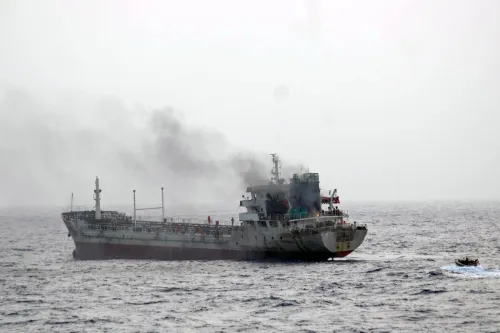
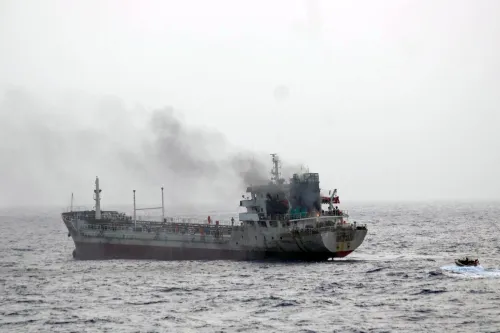
MT Sibu 1 , an Eritrea-flagged tanker, was seized by six armed pirates in the Gulf of Aden , roughly 30 nautical miles off Yemen's coast; 16 of its 20 crew are Indian.
MV Lutuf , with 10 sailors including 6 Indians , was seized off Somalia's Puntland region.
MEA spokesperson Randhir Jaiswal confirmed all 22 Indian citizens are safe and that India is in contact with relevant authorities.
The EU Naval Force Operation Atalanta has launched an investigation and is monitoring MT Sibu 1 .
Somali piracy operates as a hijack-for-ransom enterprise and continues to disrupt major shipping lanes, forcing reroutes around South Africa.
The Ministry of External Affairs (MEA) on Friday, 21 August confirmed that 22 Indian nationals are aboard two foreign-flagged vessels reportedly seized by Somali pirates — one in the Gulf of Aden and another off the Puntland coast of Somalia. The MEA stated that all 22 citizens are currently safe and that Indian authorities are in active contact with relevant maritime and diplomatic bodies.
The Two Vessels and Their Crews
The first ship, MT Sibu 1, an Eritrea-flagged oil products tanker, was reportedly seized on Thursday by six armed pirates approximately 30 nautical miles off the coast of Yemen in the Gulf of Aden. The vessel was carrying 20 crew members, of whom 16 are Indian nationals, with the remaining crew comprising one Syrian, one Sudanese, and one Iraqi national.
The second vessel, MV Lutuf, was seized off the Puntland region of Somalia. It had 10 sailors on board, including six Indians. Both ships fly foreign flags, meaning they are registered under another country's maritime authority.
What the MEA Said
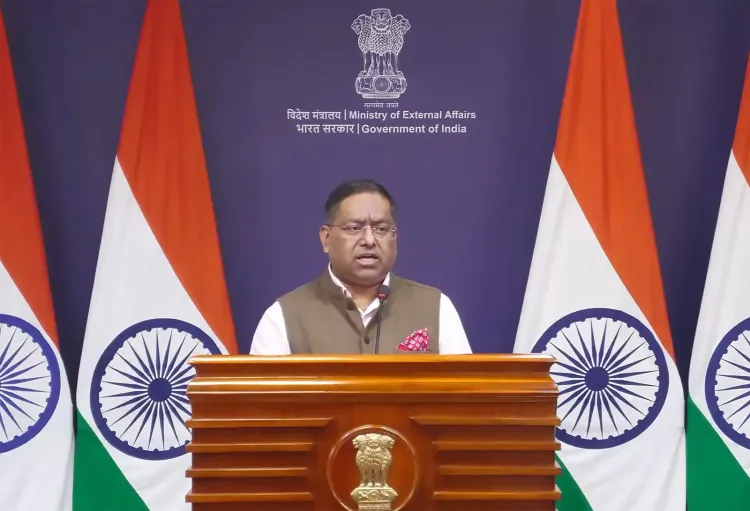
MEA spokesperson Randhir Jaiswal, speaking at a bi-weekly media briefing in New Delhi, confirmed the government's awareness of the situation. 'These are two ships flagged abroad, meaning they are flying the flag of another country. There are 22 Indian citizens on board — 16 on one ship and six on the other. What we have learnt so far is that all 22 of our citizens on board are safe. We are in touch with the relevant authorities on this matter so that we can ensure the safety and well-being of our people,' Jaiswal said.
The MEA reiterated that India treats the safety of its seafarers as a matter of high priority, with Indian missions maintaining constant contact with the Ministry of Shipping and maritime authorities in the affected countries.
EU Naval Force Launches Investigation
The European Union's anti-piracy naval force, operating under EU Naval Force Operation Atalanta, confirmed on Friday that it has launched an investigation into the hijacking of MT Sibu 1 and is actively monitoring the vessel. According to the EU force, the tanker initially broadcast a distress call on VHF Channel 16, reporting an unauthorised vessel approaching while sailing westward. The six armed individuals reportedly boarded the tanker, took control, and redirected it toward Somalia.
The EU Naval Force has advised all vessels operating in the area to 'maintain heightened vigilance, adhere to Best Management Practices for Maritime Security, and immediately report any suspicious activity or relevant information to the Maritime Security Centre Indian Ocean and United Kingdom Maritime Trade Operations.'
The Broader Piracy Threat
Somali piracy has long disrupted one of the world's most critical maritime corridors. Incidents in the Gulf of Aden and the Indian Ocean have driven up insurance premiums, pushed some shipowners to reroute vessels around South Africa rather than through the Suez Canal, and prompted sustained naval deployments from multiple nations. Somali piracy primarily operates as a hijack-for-ransom enterprise, with onshore networks supplying food, water, fuel, and the narcotic plant khat to armed guards during prolonged ransom negotiations. This is a pattern that has persisted for over two decades despite international counter-piracy operations.
With Indian seafarers among the most exposed globally — India is one of the largest suppliers of maritime crew — incidents such as these reinforce calls for stronger bilateral and multilateral maritime security frameworks in the region.
Point of View
Yet bilateral maritime security arrangements with Gulf of Aden littoral states remain underdeveloped. The MEA's reassurance that all 22 are safe is welcome, but the absence of any stated rescue or intervention plan raises questions about India's operational reach in the region. With Suez Canal traffic already disrupted by broader Red Sea tensions, a piracy flare-up compounds pressure on global shipping costs — and on New Delhi's maritime diplomacy.
NationPress
5 Oct 2026
Frequently Asked Questions
Which Indian citizens were confirmed aboard the hijacked vessels?
The MEA confirmed that 22 Indian nationals are aboard two seized ships — 16 on MT Sibu 1, an Eritrea-flagged tanker hijacked in the Gulf of Aden, and 6 on MV Lutuf, seized off Somalia's Puntland coast. All 22 are reported to be safe as of 21 August.
Where and how was MT Sibu 1 hijacked?
MT Sibu 1 was reportedly seized on Thursday by six armed pirates approximately 30 nautical miles off the coast of Yemen in the Gulf of Aden. The tanker had broadcast a distress call on VHF Channel 16 before the pirates boarded, took control, and redirected it toward Somalia.
What is India doing to secure the safety of the crew?
The MEA has stated that India is in active contact with relevant maritime and diplomatic authorities to ensure the safety and well-being of the 22 Indian nationals. Indian missions are in constant contact with the Ministry of Shipping and maritime authorities in the affected countries.
What is EU Naval Force Operation Atalanta doing?
The EU Naval Force Operation Atalanta confirmed it has launched an investigation into the hijacking of MT Sibu 1 and is monitoring the vessel. It has also advised ships in the area to maintain heightened vigilance and report suspicious activity immediately.
Why is Somali piracy still a threat to global shipping?
Somali piracy operates as a hijack-for-ransom enterprise supported by onshore networks and has disrupted the Gulf of Aden and Indian Ocean shipping lanes for over two decades. Incidents have driven up insurance costs and forced some shipowners to reroute around South Africa instead of using the Suez Canal, adding significant time and expense to global trade routes.