21 Indians rescued after attack on vessel off Oman; 3 crew still missing
Synopsis
Two maritime emergencies in as many days have put Indian seafarers squarely in the crosshairs of the West Asia conflict. With three crew members still missing after the Settebello attack and India having just secured the rescue of 24 others from MT Marivex, New Delhi is facing mounting pressure to turn its calls for de-escalation into concrete diplomatic action.
Key Takeaways
India condemned the attack on commercial vessel Settebello off the coast of Oman on 10 June .
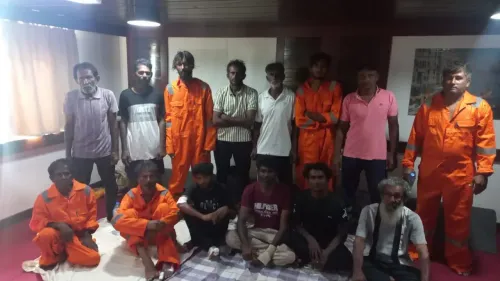
21 of 24 Indian crew members have been rescued; 3 are reportedly still missing.
The Indian Embassy in Oman is coordinating with Omani authorities on the ongoing search and rescue operation.
On Monday , all 24 Indian seafarers aboard MT Marivex were also rescued after a fire south of the Strait of Hormuz .
The MEA called for immediate de-escalation and restoration of free navigation through international waterways in line with international law.
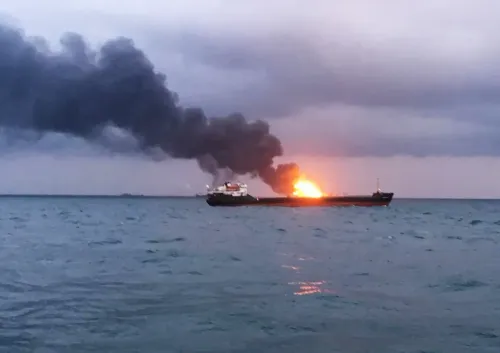
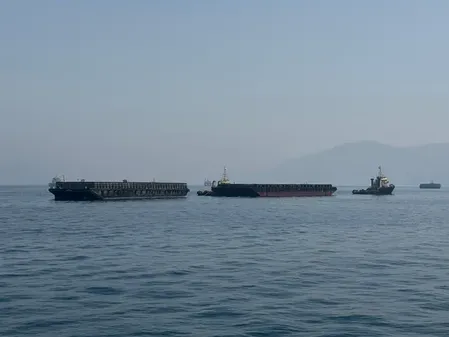
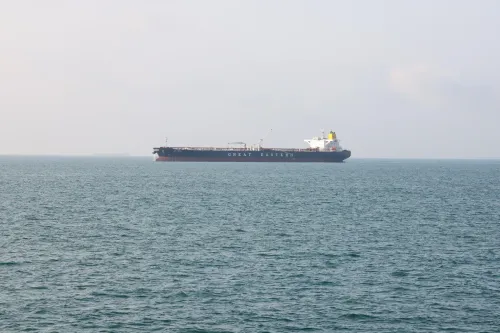
India on Wednesday, 10 June strongly condemned the attack on the commercial vessel Settebello off the coast of Oman, as 21 of the 24 Indian crew members onboard were rescued and three remained reportedly missing. The Ministry of External Affairs (MEA) confirmed the incident and said the Indian Embassy in Oman was actively coordinating with local authorities on the ongoing search and rescue operation.
What the MEA Said
In an official statement, the MEA said: 'We condemn the attack on the commercial vessel Settebello off the coast of Oman, earlier today. Of the 24 Indian crew onboard, 21 Indians have been rescued thus far and 03 Indians are reportedly missing. Our Embassy in Oman is closely monitoring the situation and proactively coordinating with the Omani authorities in the ongoing Search and Rescue operation.'
The ministry added that the continuing incidents of attacks on shipping in the region are 'deeply worrisome' and a direct consequence of the ongoing regional conflict.
India's Call for De-escalation
The MEA reiterated its call for 'immediate de-escalation of tensions' and urged all parties to pursue a diplomatic resolution. 'The targeting of commercial shipping and civilian infrastructure in the region must end, and free and unimpeded navigation and commerce through the international waterways in the region in keeping with international law must be restored at the earliest,' the statement read.
Earlier on Wednesday, the Indian Embassy in Oman had posted on X that it had learnt of an incident involving a vessel off the Omani coast and was in close touch with local authorities.
Second Incident in Days: MT Marivex Rescue
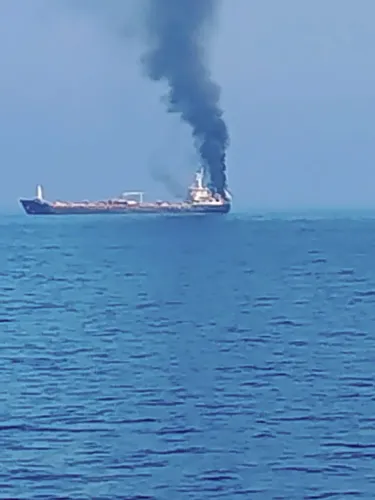
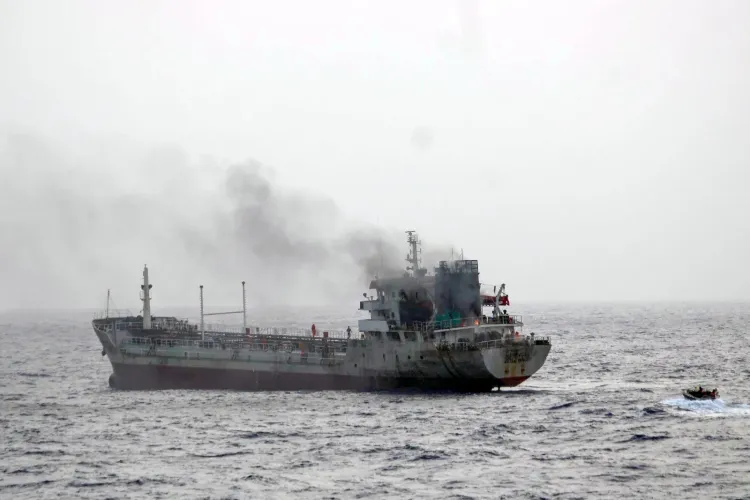
This is the second maritime emergency involving Indian nationals in the region within days. On Monday, all 24 Indian seafarers aboard the Palau-flagged vessel MT Marivex were rescued following a fire incident south of the Strait of Hormuz. At the weekly media briefing in New Delhi on Tuesday, MEA spokesperson Randhir Jaiswal expressed gratitude to the Omani government for their support.
'The ship MT Marivex was disabled off the coast of Oman. We have learned that it is a Palau-flagged vessel. We also understand there was some exchange of communication between the ship and the US Navy before the incident. There were 24 crew members on board the ship, all of them being Indian nationals. All 24 have been rescued, and they are safe,' Jaiswal stated.
Broader Regional Context
On Monday, India had also 'deeply regretted' the renewed attacks in West Asia, describing the developments as a matter of 'utmost concern' to the international community. The MEA noted that the conflict had then lasted over 100 days, causing 'immense human suffering' and a 'debilitating impact on the global economy and energy supplies.'
With the search for the three missing crew members continuing, the Indian Embassy in Oman remains in active coordination with Omani authorities. The back-to-back incidents have intensified pressure on India to push for a diplomatic resolution to the regional conflict that is increasingly threatening the safety of its maritime workers.
Point of View
Carefully avoiding direct identification of the attacking party, which limits its leverage. The repeated calls for de-escalation, while principled, carry diminishing weight without bilateral pressure on the parties driving the regional conflict. With Indian seafarers disproportionately staffing commercial vessels in the Gulf corridor, New Delhi's exposure to this crisis is structural, not incidental — and the government's crisis-management posture will need to evolve beyond reactive rescue coordination.
NationPress
27 Oct 2026
Frequently Asked Questions
What happened to the vessel Settebello off the coast of Oman?
The commercial vessel Settebello was attacked off the coast of Oman on 10 June. Of the 24 Indian crew members onboard, 21 have been rescued and 3 are reportedly still missing, with search and rescue operations ongoing.
What is India doing to help the missing crew members?
The Indian Embassy in Oman is closely monitoring the situation and coordinating with Omani authorities on the search and rescue operation. The MEA has issued a formal condemnation and confirmed it is proactively engaged with local officials.
What was the MT Marivex incident?
MT Marivex was a Palau-flagged vessel that suffered a fire incident south of the Strait of Hormuz on Monday. All 24 Indian seafarers onboard were rescued safely, with the Indian Embassy coordinating the evacuation through Omani authorities.
Why is India calling for de-escalation in the region?
India has linked the repeated attacks on commercial shipping to the ongoing regional conflict in West Asia, which has lasted over 100 days according to the MEA. New Delhi argues that the conflict is causing immense human suffering and disrupting global trade and energy supplies.
Who is affected by the shipping attacks near Oman?
Indian seafarers form a significant portion of commercial vessel crews operating in the Gulf region, making them directly vulnerable to the escalating attacks. The broader impact extends to global trade and energy supply chains passing through the Strait of Hormuz and surrounding waterways.