Tharoor Thanks Oman for Rescuing 21 Indian Seafarers
Synopsis
Congress MP Dr. Shashi Tharoor publicly thanked Oman for the swift rescue of 21 Indian seafarers from the attacked merchant vessel MT Settebello in the Gulf of Oman, highlighting the enduring India-Oman maritime partnership and the strategic importance of bilateral safety cooperation.
Key Takeaways
21 Indian seafarers were rescued from the attacked merchant vessel MT Settebello in the Gulf of Oman .
Shashi Tharoor publicly thanked the Sultanate of Oman for its swift and courageous rescue operation.
Tharoor noted the rescue 'once again reflects the strong bonds' between India and Oman .
India and Oman have maintained defence and maritime cooperation agreements — including search-and-rescue coordination — since the early 2000s.
The Gulf of Oman is a high-risk corridor for commercial shipping, critical for India's energy imports and global trade routes.
The incident underscores India's reliance on Gulf partners for protecting its large overseas maritime workforce.
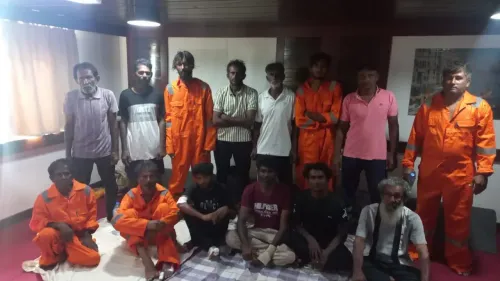
Congress MP Dr. Shashi Tharoor on Saturday, 13 June 2026 publicly thanked the Government and people of the Sultanate of Oman for rescuing 21 Indian seafarers from the attacked merchant vessel MT Settebello in the Gulf of Oman, calling the operation swift and courageous and describing it as a reflection of the strong bonds between the two nations.
Context
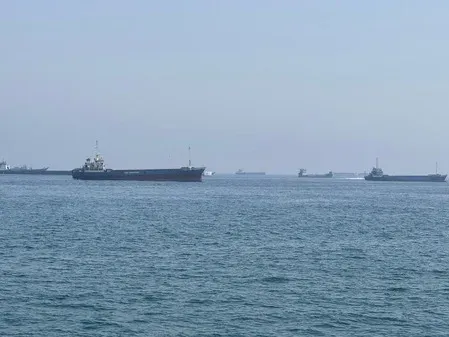
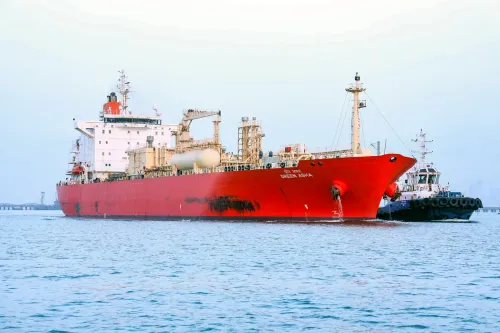
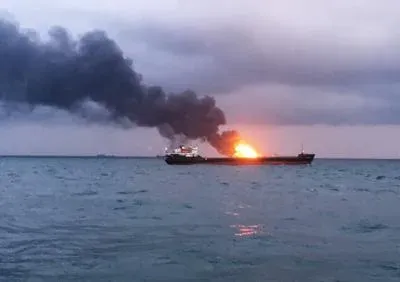
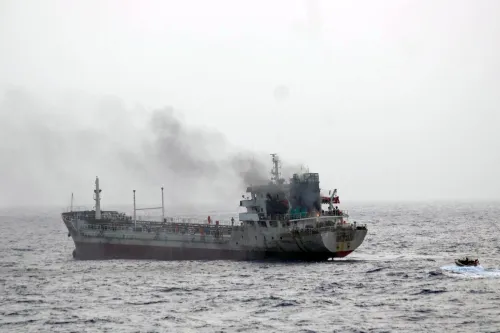
Tharoor, in a post he himself described as an 'inadvertent omission' — indicating the gratitude had been delayed — expressed that Oman's prompt action 'once again reflects the strong bonds' between India and the Gulf state. The MT Settebello, a merchant tanker, came under attack in the Gulf of Oman, a high-risk waterway linking the Strait of Hormuz to the Arabian Sea. All 21 Indian crew members were rescued by Omani authorities.
The Gulf of Oman has remained a flashpoint for commercial shipping amid persistent regional instability, and Indian seafarers employed on international merchant vessels have repeatedly found themselves in harm's way. India consistently relies on Gulf partners for rapid consular and operational assistance in such emergencies.
Policy Backdrop
India and Oman share one of the most enduring bilateral relationships in the Gulf, underpinned by defence and maritime cooperation agreements that have been periodically renewed since the early 2000s. These agreements specifically cover search-and-rescue coordination and maritime information sharing, providing the institutional framework that enables rapid responses like the MT Settebello rescue.
Oman hosts a large Indian expatriate community and occupies a strategically significant position along the western Indian Ocean rim. New Delhi's broader 'Act West' policy treats Muscat as a cornerstone partner for maritime security and Gulf outreach, and episodes of bilateral operational cooperation reinforce that strategic logic.
Stakeholders and Impact
India is one of the world's largest suppliers of maritime labour, with hundreds of thousands of Indian seafarers serving on merchant vessels globally. The safety of this workforce is a recurring consular and diplomatic priority, particularly in the volatile waters of the Gulf of Oman, the Red Sea, and surrounding corridors. Successful rescues like this one carry both humanitarian weight and diplomatic significance.
The Indian shipping industry and maritime labour unions closely watch such incidents for their implications on crew safety standards, insurance costs, and routing decisions. Omani swift action in this case will be noted by shipowners and crewing agencies as evidence of effective bilateral safety nets in the region.
What's Next
Attention will now turn to any official readout from India's Ministry of External Affairs on the MT Settebello incident and the status of the rescued crew. Diplomatic observers will also watch whether the episode is formally acknowledged at the next India-Oman Joint Commission meeting, where maritime security cooperation is a standing agenda item.
As regional shipping risks persist, the rescue underscores the importance of operationalising bilateral maritime frameworks — and may prompt fresh discussions on expanding the scope of India-Oman search-and-rescue protocols to cover a wider arc of the western Indian Ocean.
Point of View
Though framed as a personal expression of gratitude, carries political weight as a signal of bipartisan consensus on the value of India-Oman ties — a relationship the current government has also cultivated. By publicly acknowledging Oman's role, the Thiruvananthapuram MP reinforces the 'Act West' diplomatic logic that transcends party lines. The episode also spotlights a structural vulnerability: India's dependence on Gulf partners for the safety of its maritime labour force, a constituency that rarely commands headline attention. Expect the rescue to be quietly cited in upcoming diplomatic exchanges as evidence that bilateral frameworks deliver tangible results.
NationPress
27 Oct 2026
Frequently Asked Questions
What happened to the MT Settebello in the Gulf of Oman?
The MT Settebello , a merchant vessel, was attacked in the Gulf of Oman . 21 Indian seafarers on board were subsequently rescued by the Sultanate of Oman in a swift operation.
Why did Shashi Tharoor thank Oman?
Congress MP Dr. Shashi Tharoor thanked the Government and people of Oman for their prompt and courageous rescue of 21 Indian seafarers from the attacked vessel MT Settebello , calling the action a reflection of strong India-Oman bonds.
How many Indian seafarers were rescued from MT Settebello?
21 Indian seafarers were rescued from the MT Settebello after the vessel was attacked in the Gulf of Oman .
What is India's relationship with Oman on maritime security?
India and Oman have maintained defence and maritime cooperation agreements since the early 2000s, covering search-and-rescue coordination and information sharing, forming a key pillar of India's 'Act West' Gulf engagement.
Is the Gulf of Oman dangerous for Indian shipping?
Yes. The Gulf of Oman , which links the Strait of Hormuz to the Arabian Sea , is a high-risk corridor for commercial shipping due to ongoing regional instability, and Indian-crewed vessels have faced repeated threats in these waters.