MT Settebello attack: Bodies of 2 Indian sailors repatriated from Oman
Synopsis
Three Indian sailors are dead after a US military aircraft struck the commercial tanker MT Settebello in the Gulf of Oman. The bodies of two — Aditya Sharma and Shivanand Chaurasiya — have now been repatriated, while India has taken the rare step of summoning the US envoy and lodging a direct protest with Secretary of State Rubio. The incident has put a sharp and uncomfortable spotlight on American rules of engagement near civilian shipping lanes.
Key Takeaways
The mortal remains of Aditya Sharma and Shivanand Chaurasiya , killed in the MT Settebello attack, were repatriated to India on 17 June 2025 .
A total of 3 Indian seafarers died in the attack; 21 others were rescued and are returning home safely.
The US military acknowledged striking the Palau-flagged vessel , saying it failed to comply with naval instructions and was allegedly carrying Iranian oil.
External Affairs Minister S.
Jaishankar lodged a formal protest with US Secretary of State Marco Rubio on 13 June .
The MEA summoned US Charge d’Affaires Jason Meeks , calling the use of lethal force against civilian shipping ‘unacceptable.’ India’s Ambassador to Oman, Prashant Pise , met the rescued crew before their departure from Muscat.
The mortal remains of two Indian seafarers killed in the attack on MT Settebello have been repatriated to India, the Indian Embassy in Oman confirmed on Wednesday, 17 June. The sailors, identified as Aditya Sharma and Shivanand Chaurasiya, were among three Indian nationals who lost their lives when the Palau-flagged vessel came under attack approximately 30 nautical miles off the coast of Sohar, Oman.
What the Embassy Said
“The mortal remains of Mr. Aditya Sharma and Mr. Shivanand Chaurasiya, who tragically lost their lives in the attack on MT Settebello, have been repatriated to India. Our heartfelt condolences remain with their families during this difficult time,” the Embassy posted on X.
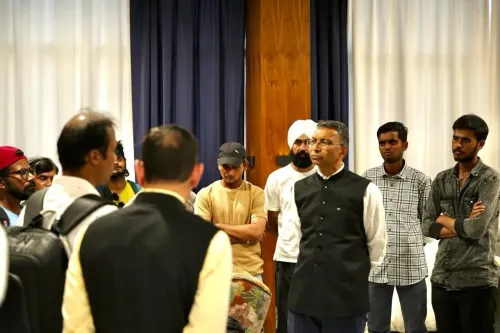
The Embassy also confirmed that all 21 rescued Indian crew members of MT Settebello are returning home safely from Oman. Prior to their departure, India’s Ambassador to Oman, Prashant Pise, met with the crew, conveyed his best wishes, and acknowledged their resilience through what he described as a deeply difficult period.
The Attack on MT Settebello
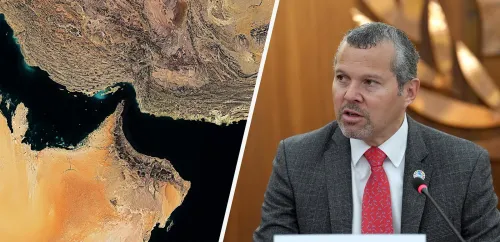
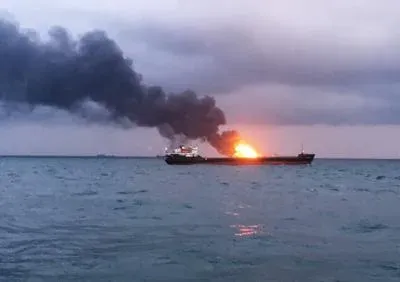
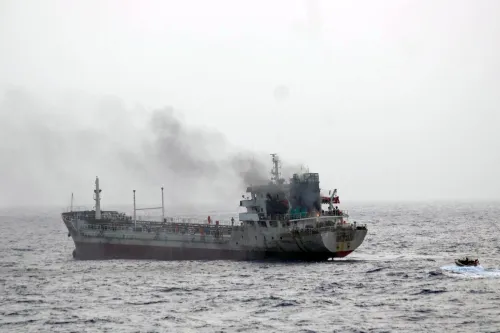
MT Settebello was sailing in the Gulf of Oman when it was struck, with the vessel located about 30 nautical miles off Sohar at the time. The Oman Maritime Security Centre was immediately alerted, prompting a Search and Rescue (SAR) operation by Omani authorities. Of the crew aboard, 21 Indian nationals were rescued while 3 seafarers lost their lives.
The US military subsequently acknowledged responsibility for the strike. According to US Central Command (CENTCOM), American forces targeted the tanker after it allegedly failed to comply with instructions from US naval personnel and was reportedly attempting to transport oil from Iran in violation of an ongoing American blockade. CENTCOM stated that one of its aircraft fired on the vessel, disabling it after the crew repeatedly failed to respond to directions.
India’s Diplomatic Protest
The attack has triggered a sharp diplomatic response from New Delhi. On 13 June, External Affairs Minister S. Jaishankar spoke directly with US Secretary of State Marco Rubio and lodged a formal protest over the killing of Indian seafarers by US naval forces on a commercial vessel.
The Ministry of External Affairs (MEA) also summoned US Charge d’Affaires Jason Meeks to register India’s strong objection to what it called “continuing attacks by the US naval forces on commercial vessels carrying Indian sailors in the Gulf of Oman.” The MEA stated that “such actions are unacceptable and undermine the safety, security and stability of international maritime commerce in a sensitive region at a difficult time.”
Meeks was specifically asked to convey India’s concerns to US authorities and to ensure that American forces operating in the region take all necessary measures to prevent further civilian casualties.
Broader Implications for Maritime Safety
This incident marks a serious escalation in tensions over commercial shipping in the Gulf of Oman, a critical artery for global oil and trade flows. The loss of Indian lives on a civilian vessel struck by a US military aircraft raises significant questions about rules of engagement in contested maritime corridors. India’s unusually direct diplomatic pushback against Washington — including a formal summoning of the US envoy — signals the gravity with which New Delhi views the safety of its nationals at sea.
As the repatriated remains reach their families, the diplomatic fallout between India and the United States over the incident is expected to continue in the days ahead.
Point of View
That the vessel was violating an Iran oil blockade, does not legally or morally insulate a strike on civilian shipping from scrutiny under international maritime law. What is missing from the official response on both sides is any acknowledgement of the structural risk: as the US tightens its Gulf enforcement posture, Indian-crewed commercial vessels operating in the region face lethal exposure with no clear protection mechanism. New Delhi’s protest is right in tone, but the harder question — what safeguards will prevent the next incident — remains unanswered.
NationPress
16 Sept 2026
Frequently Asked Questions
Who were the Indian sailors killed in the MT Settebello attack?
The two sailors whose remains have been repatriated are Aditya Sharma and Shivanand Chaurasiya. They were among three Indian seafarers who lost their lives when the Palau-flagged tanker MT Settebello was struck in the Gulf of Oman, approximately 30 nautical miles off the coast of Sohar, Oman.
Who attacked MT Settebello and why?
The US military acknowledged carrying out the strike. According to US Central Command, an American aircraft fired on the vessel after its crew allegedly failed to comply with instructions from US naval personnel and the tanker was reportedly attempting to transport oil from Iran in violation of an American blockade.
How did India respond to the attack on MT Settebello?
India lodged a formal diplomatic protest. External Affairs Minister S. Jaishankar spoke directly with US Secretary of State Marco Rubio on 13 June, and the Ministry of External Affairs summoned US Charge d’Affaires Jason Meeks. The MEA called the use of lethal force against civilian shipping ‘unacceptable.’
How many Indian crew members survived the MT Settebello attack?
21 Indian crew members were rescued following the attack and are returning to India safely from Oman. India’s Ambassador to Oman, Prashant Pise, met the survivors before their departure from Muscat.
Where did the MT Settebello attack take place?
The attack occurred in the Gulf of Oman, with the vessel located about 30 nautical miles off the coast of Sohar, Oman. The Oman Maritime Security Centre was alerted immediately, and Omani authorities conducted the Search and Rescue operation.