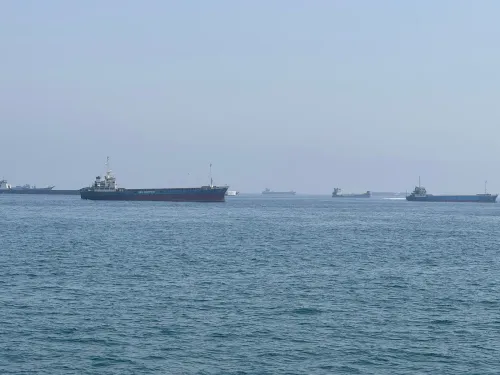
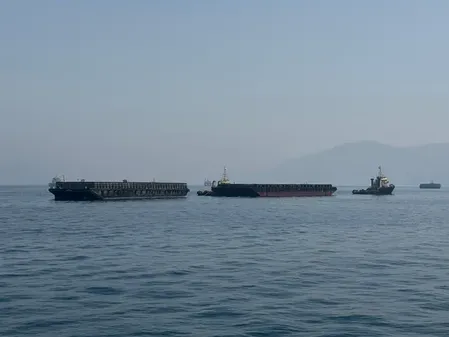
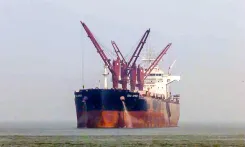
Indian-flagged ship MSV Haji Ali sinks off Oman after drone strike, all 14 crew safe
Synopsis
An Indian-flagged cargo vessel, MSV Haji Ali, was struck by a suspected drone or missile off Oman on 13 May and sank — the latest casualty in a rapidly deteriorating West Asian maritime crisis. With Iran blocking the Strait of Hormuz and India’s MEA calling the attack ‘unacceptable’, the safety of Indian-linked shipping in the Gulf is now a live diplomatic and economic flashpoint.
Key Takeaways
MSV Haji Ali , an Indian-flagged, Gujarat-owned cargo vessel, sank on 13 May after being struck by a suspected drone or missile off the Oman coast .
The ship was travelling from Berbera Port, Somalia to Sharjah when the attack occurred at approximately 3:30 am local time .
All 14 crew members were safely evacuated by the Oman Coast Guard .
The MEA called the attack “unacceptable” and reiterated India’s stance on freedom of navigation.
The incident follows the US-Israel strikes on Iran on 28 February and Iran’s subsequent blockade of the Strait of Hormuz .
The Ministry of External Affairs (MEA) on Thursday, 14 May strongly condemned the attack on the Indian-flagged cargo vessel MSV Haji Ali off the coast of Oman, calling it “unacceptable” and raising alarm over the continued targeting of commercial shipping and civilian mariners in West Asian waters. All 14 crew members aboard the vessel were rescued safely following a swift operation by the Oman Coast Guard.
What Happened to MSV Haji Ali
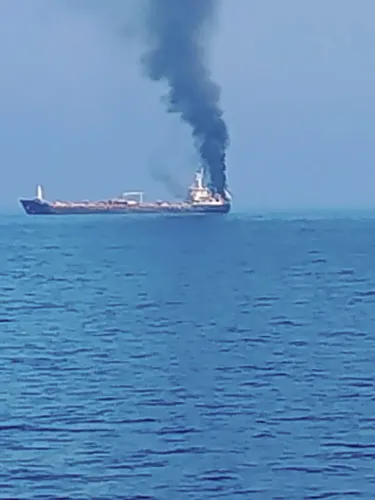
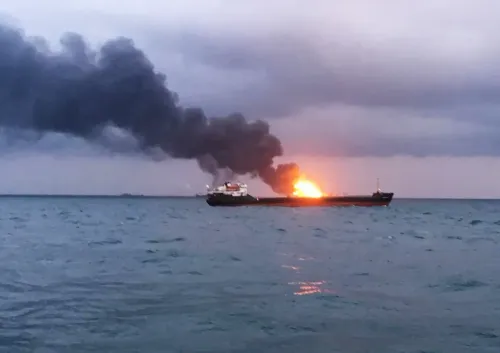
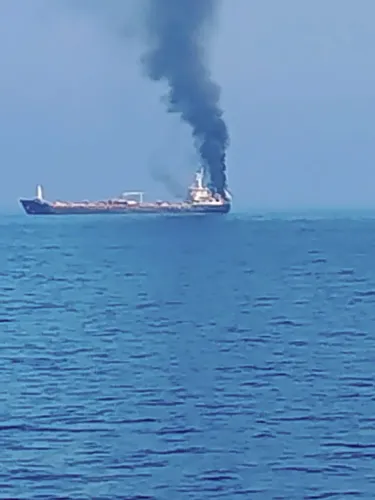
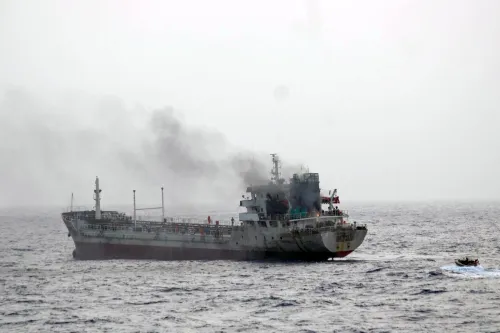
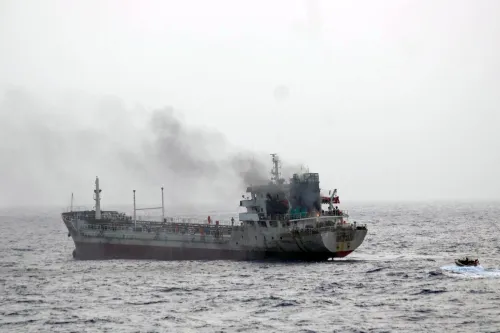
The Gujarat-owned cargo ship was struck by what preliminary reports described as a drone or missile-like projectile on 13 May while navigating through Omani waters. The vessel was en route from Berbera Port in Somalia to Sharjah when the strike occurred, causing the ship to catch fire and eventually sink. According to the ship’s owner, Sultan Ahmed Ansar, a resident of Dwarka, Gujarat, the vessel became stranded at approximately 3:30 am local time.
What the Government Said
In an official statement, the MEA said: “The attack on an Indian-flagged ship off the coast of Oman yesterday is unacceptable, and we deplore the fact that commercial shipping and civilian mariners continue to be targeted.” The Ministry also reiterated India’s position on maritime safety: “India reiterates that targeting commercial shipping and endangering innocent civilian crew members, or otherwise impeding freedom of navigation and commerce, should be avoided.”
Rescue Operation and Crew Safety
Teams from the Oman Coast Guard launched a prompt rescue operation and evacuated all 14 crew members safely, even as the ship was engulfed in fire following the strike. The MEA specifically thanked Omani authorities for their swift response. No casualties have been reported among the Indian crew.
Regional Context: West Asia Crisis
The attack comes amid a sharp escalation of tensions in the West Asia region. The broader crisis reportedly erupted following US-Israel joint strikes against Iran on 28 February, during which Iran’s former Supreme Leader Ayatollah Khamenei was killed, according to reports. Tehran subsequently retaliated with strikes against Israel and US military bases in Gulf nations, and Iran announced the blocking of the Strait of Hormuz — one of the world’s most critical maritime chokepoints. This is not the first time Indian-flagged or Indian-linked vessels have come under threat in the region; the Red Sea and Gulf of Aden corridors have seen repeated incidents over the past year.
What Comes Next
India has not publicly attributed the attack to any specific actor, and an investigation is reportedly ongoing. The incident is likely to intensify diplomatic pressure on regional and global powers to secure international shipping lanes. With the Strait of Hormuz blockade raising freight and insurance costs for vessels transiting the Gulf, Indian trade routes and energy imports face mounting uncertainty in the weeks ahead.
Point of View
Silent on attribution. That silence is telling. With Iran blocking the Strait of Hormuz and West Asian tensions at a post-February peak, New Delhi is walking a tightrope between condemning attacks on its vessels and preserving its traditionally non-aligned posture in the Gulf. What mainstream coverage underplays is the economic exposure: a sustained Hormuz blockade would directly hit India’s energy import bill and freight costs, making this far more than a maritime security story. The question of who attacked MSV Haji Ali — and whether India will press for an answer publicly — will define how far New Delhi is willing to go in asserting its maritime interests.
NationPress
5 Oct 2026
Frequently Asked Questions
What happened to the Indian ship MSV Haji Ali off Oman?
MSV Haji Ali, an Indian-flagged cargo vessel owned by a Gujarat-based shipowner, was struck by a suspected drone or missile-like projectile on 13 May while sailing through Omani waters and subsequently sank. All 14 crew members were rescued safely by the Oman Coast Guard.
Was any Indian crew member harmed in the MSV Haji Ali attack?
No. All 14 crew members aboard MSV Haji Ali were safely evacuated by the Oman Coast Guard despite the ship catching fire after the strike. The MEA confirmed their safety and thanked Omani authorities for the prompt rescue.
What did India’s MEA say about the ship attack?
The MEA called the attack ‘unacceptable’ and said India ‘deplores the fact that commercial shipping and civilian mariners continue to be targeted.’ It reiterated that freedom of navigation and commerce must not be impeded.
Who owns MSV Haji Ali and where was it headed?
MSV Haji Ali is owned by Sultan Ahmed Ansar, a resident of Dwarka in Gujarat. The vessel was travelling from Berbera Port in Somalia to Sharjah when it was attacked on 13 May.
How does the MSV Haji Ali attack connect to the West Asia crisis?
The attack comes amid a broader regional crisis that reportedly escalated after US-Israel joint strikes on Iran on 28 February. Iran subsequently retaliated against Israel and US Gulf bases and announced a blockade of the Strait of Hormuz, raising security risks for all commercial vessels in the region.