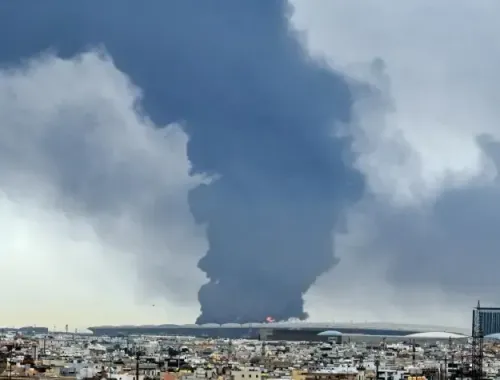
India condemns Fujairah attack, 3 Indian nationals injured in UAE
Synopsis
Three Indian nationals were injured when Iran launched missile and drone strikes on Fujairah in the UAE — prompting a rare, sharp condemnation from New Delhi. India's specific call for free navigation through the Strait of Hormuz signals the economic anxiety beneath the diplomatic language, as the Gulf's most critical oil chokepoint comes under renewed threat.
Key Takeaways
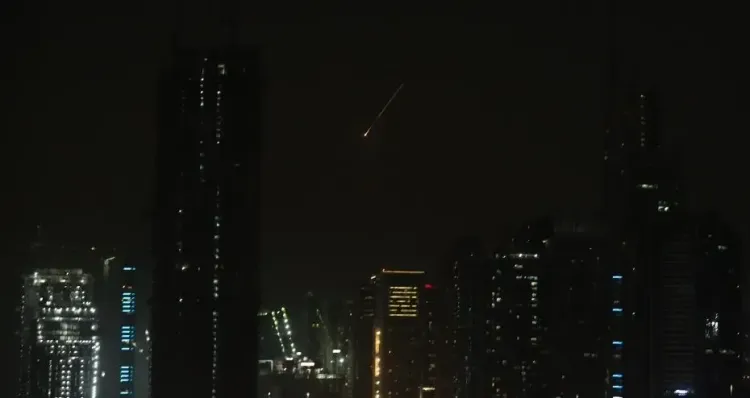
Three Indian nationals were injured in missile and drone attacks on Fujairah, UAE on Monday, 5 May 2025 .
India's Ministry of External Affairs (MEA) called the attack "unacceptable" and demanded an immediate cessation of hostilities.
The UAE held Iran fully responsible, describing the strikes as "renewed unprovoked Iranian aggression" .
India called for free and unimpeded navigation through the Strait of Hormuz in line with international law.
The Indian Embassy in the UAE confirmed it is coordinating with local authorities for the medical care of the injured nationals.
The UAE reserved its "full and legitimate right to respond" to the attacks in accordance with international law.
India on Tuesday, 6 May 2025 formally condemned missile and drone attacks on the United Arab Emirates (UAE), after three Indian nationals were injured in strikes on Fujairah the previous day. The Ministry of External Affairs (MEA) called the assault "unacceptable" and demanded an immediate halt to hostilities targeting civilians and civilian infrastructure. The UAE has held Iran fully responsible for the attacks.
India's Official Response
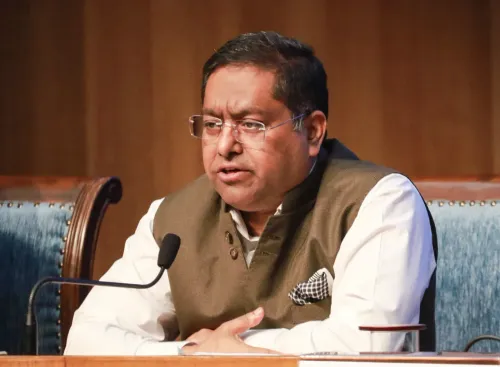
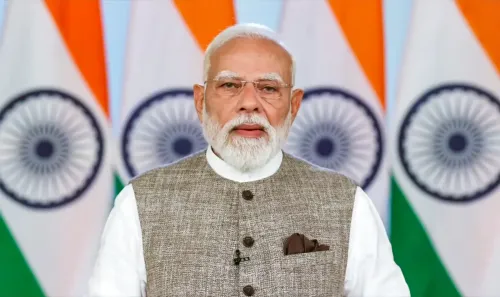
In a strongly worded statement, the MEA said: "The attack on Fujairah that resulted in injury to three Indian nationals is unacceptable. We call for immediate cessation of these hostilities and the targeting of civilian infrastructure and innocent civilians."
New Delhi also reiterated its commitment to diplomacy, stating that India "continues to stand for dialogue and diplomacy" to restore "peace and stability across West Asia". The ministry further called for "free and unimpeded navigation and commerce through the Strait of Hormuz" in keeping with international law, and said India stands ready to support all efforts toward a peaceful resolution.
Indian Embassy in UAE Acts Swiftly
Even before the MEA's formal condemnation, the Indian Embassy in the UAE on Monday confirmed it had made contact with local authorities. "Three Indian nationals have been injured in today's attacks in Fujairah. We are in touch with local authorities for ensuring adequate medical care and welfare of the affected Indian nationals," the Embassy stated. The identities and current medical conditions of the three injured individuals have not yet been officially disclosed.
UAE Holds Iran Responsible
The UAE's Ministry of Foreign Affairs condemned what it described as "renewed unprovoked Iranian aggression" carried out using missiles and drones against civilian sites and facilities. It characterised the strikes as an "unacceptable act of aggression" and a "direct threat to the UAE's security, stability and territorial integrity."
Abu Dhabi further stated that the attacks violate the principles of international law and the Charter of the United Nations. The UAE emphasised it "reserves its full and legitimate right to respond" to the attacks in a manner consistent with international law, and held Iran "fully responsible for these unprovoked attacks and their repercussions."
Strategic Stakes: The Strait of Hormuz
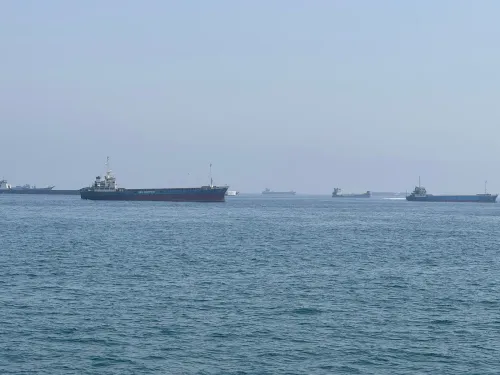
India's specific mention of the Strait of Hormuz underscores the broader economic anxiety behind its diplomatic language. The strait is the world's most critical oil chokepoint, through which roughly 20% of global petroleum trade flows. Any sustained conflict in the Gulf risks disrupting energy supplies and shipping lanes that are vital to India's economy. This comes amid an already volatile West Asia security environment, with tensions between Iran and its neighbours having escalated sharply in recent months.
Notably, Fujairah — one of the UAE's seven emirates — hosts a major oil terminal and is a key bunkering hub, making it a strategically sensitive target. With a large Indian diaspora of approximately 3.5 million residents in the UAE, New Delhi has particular cause for concern whenever hostilities flare in the region.
What Happens Next
As of Tuesday, no Indian government official had confirmed whether the three injured nationals required hospitalisation or had been discharged. The MEA is expected to continue monitoring the situation through the Indian Embassy in Abu Dhabi and the Consulate General in Dubai. Diplomatic observers will watch whether India escalates its engagement with Tehran bilaterally, given that New Delhi maintains active ties with both Iran and the UAE. Any further Iranian strikes on UAE soil could force India into a more difficult diplomatic position.
Point of View
Which typically favours hedged diplomatic language. Yet New Delhi faces a structural dilemma: it maintains deep economic and strategic ties with both the UAE and Iran, including the Chabahar port agreement with Tehran. The specific invocation of the Strait of Hormuz is a signal that India's primary concern is economic continuity, not just the welfare of its diaspora. As Iran-UAE tensions escalate, India's balancing act in West Asia is becoming harder to sustain without being seen as taking sides.
NationPress
14 Oct 2026
Frequently Asked Questions
What happened in the Fujairah attack?
Fujairah, one of the UAE's seven emirates, was struck by missile and drone attacks on Monday, 5 May 2025. The UAE has held Iran fully responsible, describing the strikes as unprovoked aggression against civilian sites and facilities.
How many Indian nationals were injured in the Fujairah attack?
Three Indian nationals were injured in the Fujairah attacks. The Indian Embassy in the UAE confirmed it is in contact with local authorities to ensure adequate medical care and welfare of the affected individuals.
What did India's Ministry of External Affairs say about the attack?
The MEA called the attack 'unacceptable' and demanded an immediate cessation of hostilities targeting civilians and civilian infrastructure. It also called for free navigation through the Strait of Hormuz and said India stands ready to support a peaceful resolution.
Why did India mention the Strait of Hormuz in its statement?
The Strait of Hormuz is a critical global oil chokepoint through which roughly 20% of world petroleum trade flows. India's call for unimpeded navigation reflects concern that escalating Iran-UAE conflict could disrupt energy supplies and shipping lanes vital to the Indian economy.
What has the UAE said in response to the attacks?
The UAE's Ministry of Foreign Affairs condemned the strikes as 'renewed unprovoked Iranian aggression,' called them a direct threat to its security and territorial integrity, and reserved its full right to respond in accordance with international law. It held Iran fully responsible for the attacks and their repercussions.