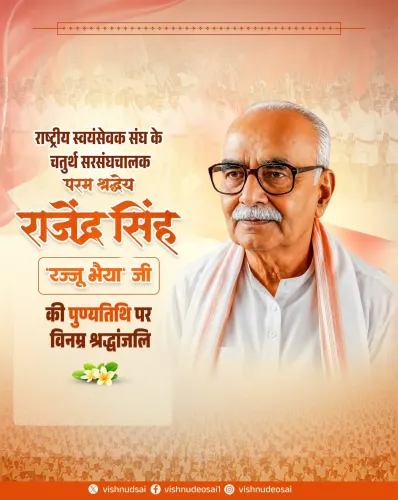
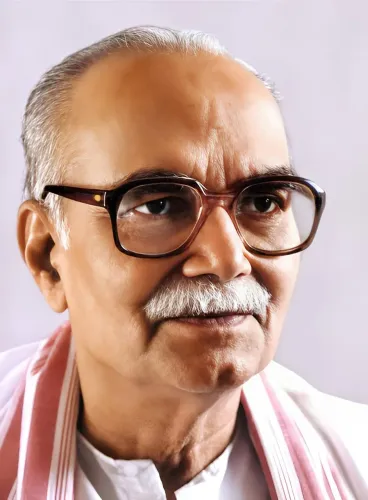
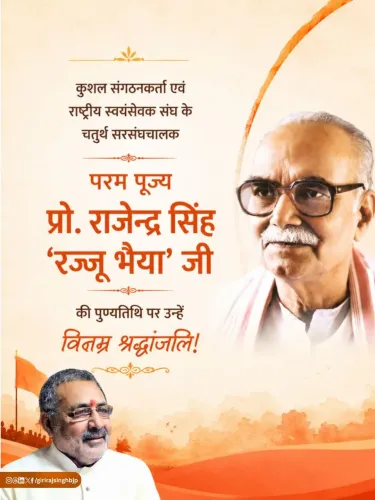
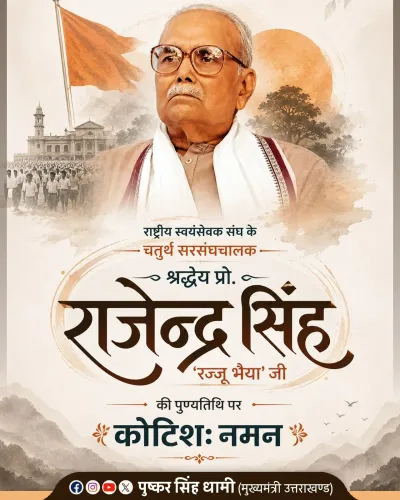
Dr. Jitendra Singh pays tribute to RSS chief Rajju Bhaiya
Synopsis
Union Minister Dr. Jitendra Singh marked the death anniversary of RSS's fourth Sarsanghchalak Rajendra Singh 'Rajju Bhaiya' on 14 July 2026, offering tribute on X. Rajju Bhaiya led the RSS from 1994 to 2000, succeeding Balasaheb Deoras, and is remembered for organizational expansion within the Sangh Parivar.
Key Takeaways
Jitendra Singh paid tribute to Rajendra Singh 'Rajju Bhaiya' on his death anniversary on 14 July 2026 .
Rajju Bhaiya served as the fourth Sarsanghchalak of the RSS from 1994 to 2000 .
He succeeded Balasaheb Deoras and was followed by K.S.
The RSS , founded in 1925 , is India's largest Hindu nationalist volunteer organization with deep links to the BJP .
Annual tributes by BJP ministers to past RSS chiefs are a consistent feature of the party's public outreach, reaffirming its ideological roots.
Union Science and Technology Minister Dr. Jitendra Singh on Tuesday, 14 July 2026, paid homage to Rajendra Singh, popularly known as Rajju Bhaiya, on the occasion of the fourth Rashtriya Swayamsevak Sangh (RSS) Sarsanghchalak's death anniversary.
Context
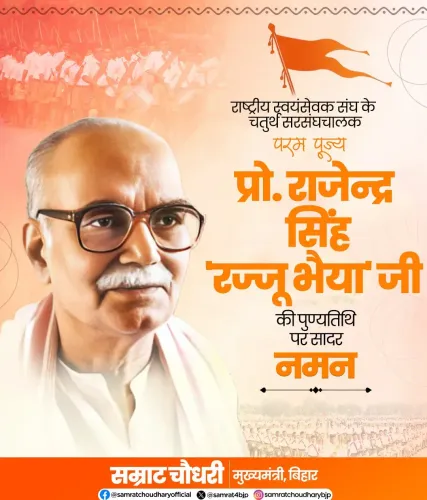
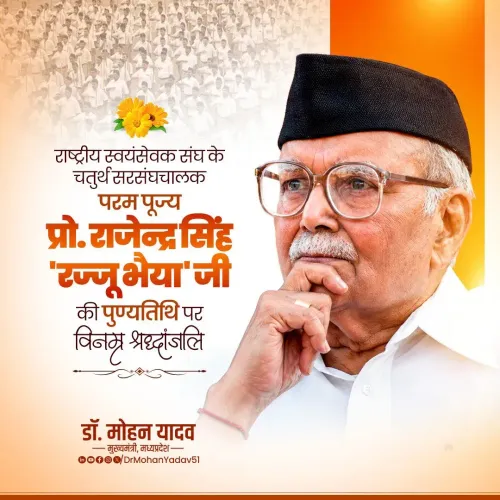
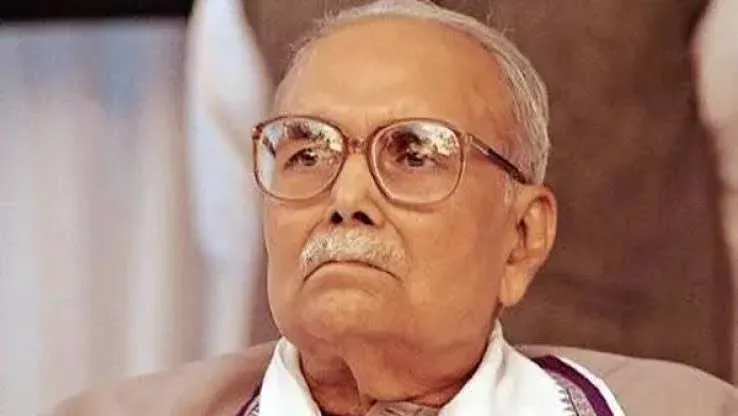
In his post on X, Dr. Jitendra Singh offered koti koti naman (countless salutations) to Rajendra Singh 'Rajju Bhaiya', describing him as the fourth Sarsanghchalak of the RSS and addressing him with the honorific Param Pujyaniya (most revered). The tribute was accompanied by an image shared on the minister's official handle.
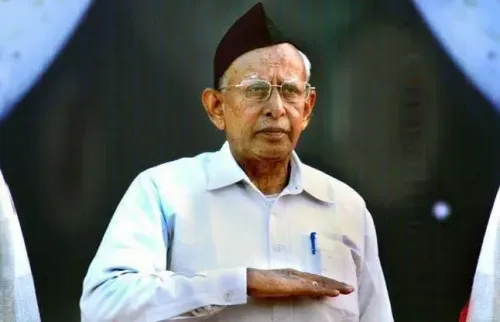
Rajju Bhaiya served as the fourth Sarsanghchalak of the RSS from 1994 to 2000, succeeding Balasaheb Deoras. He was widely respected within the Sangh Parivar for his emphasis on organizational expansion and grassroots education initiatives.
Policy Backdrop
The RSS, founded in 1925, is India's largest Hindu nationalist volunteer organization. Its ideological framework and network of pracharaks (full-time volunteers) have historically shaped the Bharatiya Janata Party (BJP) and a wide range of affiliated cultural and educational bodies.
Rajendra Singh was succeeded as Sarsanghchalak by K.S. Sudarshan in 2000. His tenure is remembered within the organization for consolidating the RSS's reach at a period of significant political transition in India.
Stakeholders and Impact
Annual death-anniversary tributes by BJP ministers to past RSS Sarsanghchalaks are a recurring feature of Indian political life, publicly affirming the party's ideological lineage and its enduring organizational relationship with the Sangh Parivar network.
Such commemorations resonate strongly among RSS swayamsevaks (volunteers) and BJP workers, reinforcing a shared sense of institutional memory and continuity of purpose across the wider Sangh ecosystem.
What's Next
Commemorations of this kind often precede or accompany broader RSS organizational events, including the annual Vijayadashami address and state-level shakha programs, where tributes to past leaders are a customary feature. The frequency of such public statements by senior ministers underscores the continuing interface between the ruling party and the RSS ahead of future organizational milestones.
Point of View
Reinforcing the party's organizational and ideological continuity with the Sangh Parivar. Such gestures serve a dual purpose: they consolidate loyalty among the RSS volunteer base and signal to the broader electorate the BJP's roots in a decades-old cultural nationalist movement. With RSS organizational events on the calendar, these tributes also function as soft mobilization signals for the swayamsevak network. The regularity and seniority of the ministers involved suggest this is coordinated institutional messaging rather than individual sentiment alone.
NationPress
13 Oct 2026
Frequently Asked Questions
Who was Rajju Bhaiya of the RSS?
Rajju Bhaiya, born Rajendra Singh, was the fourth Sarsanghchalak of the Rashtriya Swayamsevak Sangh (RSS), serving from 1994 to 2000. He succeeded Balasaheb Deoras and was known for strengthening the RSS's organizational network and educational initiatives.
When did Rajendra Singh 'Rajju Bhaiya' serve as RSS chief?
Rajendra Singh served as RSS Sarsanghchalak from 1994 to 2000, after which K.S. Sudarshan took over the position.
Why did Jitendra Singh pay tribute to Rajju Bhaiya?
Dr. Jitendra Singh paid tribute to Rajju Bhaiya on his death anniversary on 14 July 2026, as part of a recurring practice by BJP leaders to publicly honour past RSS Sarsanghchalaks and affirm the party's ideological roots.
What is the RSS and what is a Sarsanghchalak?
The RSS, or Rashtriya Swayamsevak Sangh, is India's largest Hindu nationalist volunteer organization, founded in 1925. The Sarsanghchalak is the supreme head of the organization, responsible for guiding its ideology and direction.
How are BJP leaders connected to the RSS?
The BJP and the RSS share deep ideological and organizational links; many senior BJP leaders began their public lives as RSS pracharaks or swayamsevaks, and the RSS's volunteer network has historically supported the party's electoral and grassroots activities.