India condemns Kuwait airport attack; one Indian killed, several injured
Synopsis
A drone strike on Kuwait International Airport's T1 terminal has killed an Indian national and injured several others, pulling India directly into the widening West Asia conflict. Kuwait has blamed Iran and invoked UN Security Council Resolution 2817 of 2026, while New Delhi's MEA has issued one of its sharpest calls yet to stop targeting civilian infrastructure.
Key Takeaways
One Indian national was killed and several injured in a drone attack on Kuwait International Airport on 3 June .
The MEA condemned the strike and urged all parties to cease attacks on civilian infrastructure.
Kuwait's Foreign Ministry blamed Iranian drones and ballistic missiles , citing a violation of UNSC Resolution 2817 of 2026 .
Kuwait's Health Ministry reported 63 injuries and seven major emergency surgeries since the attack began.
The Indian Embassy is coordinating with Kuwaiti authorities; missions across West Asia are on alert.
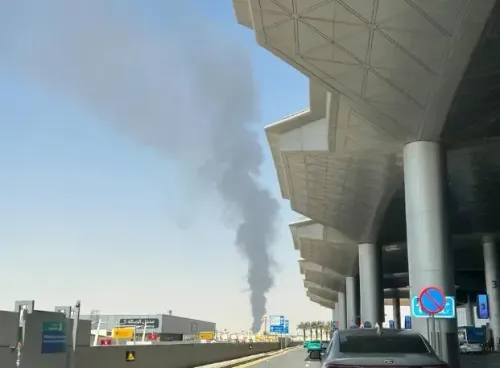
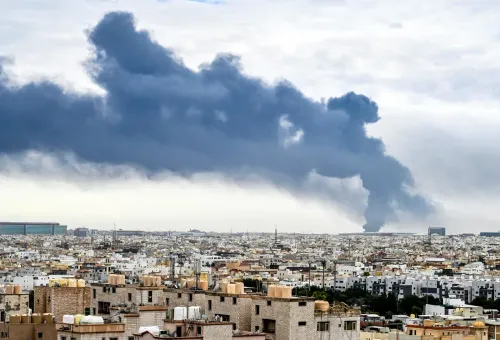
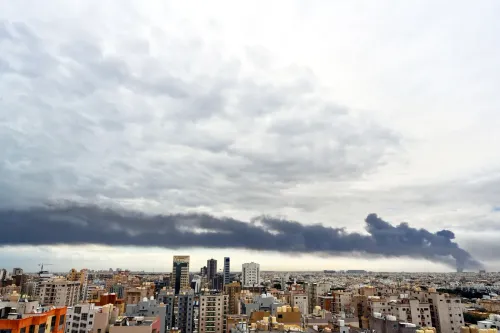
India on Wednesday, 3 June, strongly condemned the drone attack on Kuwait International Airport that killed one Indian national and injured several others, with the Ministry of External Affairs (MEA) urging an immediate halt to strikes on civilian infrastructure across West Asia. The attack, which Kuwaiti authorities have attributed to Iranian drones, damaged the passenger building (T1) and triggered a wide-scale health and security mobilisation in the Gulf state.
What the MEA said
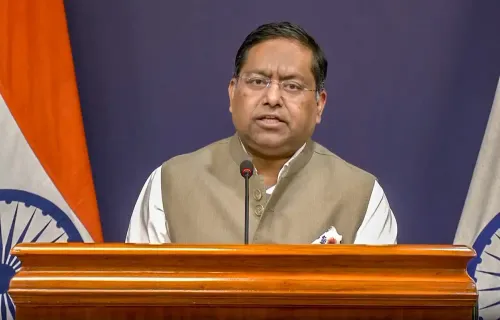
“We condemn the attack on the Kuwait International Airport today in which an Indian national has died and several of our nationals are injured. Since the onset of the conflict in West Asia, we have strongly urged that civilian population and civilian infrastructure must not be targeted. We again call upon parties to cease such attacks,” the MEA said in its statement.
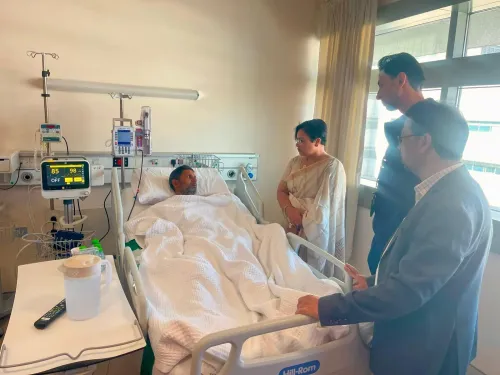
Offering condolences to the bereaved families, the ministry confirmed that the Indian Embassy in Kuwait is extending all possible assistance to the injured. “We remain in close contact with local authorities for the welfare of Indian nationals. Indian Missions and Posts across the region are on alert and continue to proactively support our community,” it added.
Embassy response on the ground
The Embassy of India in Kuwait, in a post on X, confirmed the Indian national's death and said it was in direct contact with the bereaved family. “The Embassy is in touch with the bereaved family and is closely coordinating with the Kuwaiti authorities to render all possible support and assistance to the bereaved family as well as those injured in the incident,” the mission stated.
Kuwait blames Iran, cites UN resolution
Kuwait's Ministry of Foreign Affairs condemned in the strongest terms what it described as “brutal and ongoing Iranian attacks” involving ballistic missiles and drones targeting civilian and vital facilities, including the airport and diplomatic missions. The ministry called the strikes a “flagrant violation” of international law, the UN Charter, and Security Council Resolution 2817 of 2026.
Casualty toll and medical mobilisation
According to the spokesperson for Kuwait's Ministry of Health, the health system received 63 injury cases and carried out seven major emergency surgeries since the first hours of the assault. “The health system continues to enhance its readiness around the clock,” the spokesperson said.
Kuwait's Ministry of Defence spokesman, Brigadier General Saud Abdulaziz Al-Otaibi, said hostile drones struck the T1 passenger terminal, causing significant material damage and injuries. The armed forces, he affirmed, remain in “complete readiness” to respond to further developments.
What happens next
Indian missions across West Asia have been placed on alert as the regional conflict deepens. New Delhi is expected to step up consular outreach to the sizeable Indian diaspora in Kuwait, estimated at nearly a million, even as the diplomatic push for de-escalation gathers pace.
Point of View
But through casualties. India's call to stop targeting civilian infrastructure is correctly hedged and non-aligned, but with nearly a million Indians in Kuwait alone, neutrality has a logistical ceiling. The bigger question mainstream coverage is sidestepping: does New Delhi have a contingency evacuation framework ready if Gulf airspace deteriorates further? The 2020 Vande Bharat playbook bought time then; this conflict may not afford the same runway.
NationPress
21 Oct 2026
Frequently Asked Questions
What happened at Kuwait International Airport?
Hostile drones struck the T1 passenger building of Kuwait International Airport on 3 June, killing one Indian national and injuring several others. Kuwait's Defence Ministry has attributed the strike to Iranian aggression, and the airport sustained significant material damage.
What has India said about the Kuwait attack?
The Ministry of External Affairs strongly condemned the attack and reiterated its call that civilian populations and infrastructure must not be targeted in the West Asia conflict. The MEA also offered condolences and confirmed that the Indian Embassy is assisting the injured and the bereaved family.
How many people were injured in the attack?
Kuwait's Ministry of Health reported 63 injury cases and seven major emergency surgeries since the first hours of the assault. The health system remains on round-the-clock readiness, the ministry's spokesperson said.
Why is Kuwait blaming Iran?
Kuwait's Foreign Ministry has accused Iran of carrying out ongoing attacks using ballistic missiles and drones against civilian and vital facilities, including diplomatic missions and the airport. It has called the strikes a flagrant violation of international law and UN Security Council Resolution 2817 of 2026.
Are Indians in Kuwait safe?
The Indian Embassy in Kuwait says it is in close contact with local authorities and is extending all possible assistance to affected nationals. Indian missions across the region have been placed on alert and are proactively supporting the community.