India condemns Riyadh airport attack: 12 dead, 300+ injured in Houthi strike
Synopsis
India has issued one of its sharpest condemnations of the ongoing Houthi-Saudi conflict after a strike on King Khalid International Airport in Riyadh killed 12 people — including nationals from eight countries — and injured over 300. With 2.5 million Indians in Saudi Arabia and airport operations suspended, New Delhi's 'completely unacceptable' rebuke signals how directly this escalation hits Indian strategic and humanitarian interests.
Key Takeaways
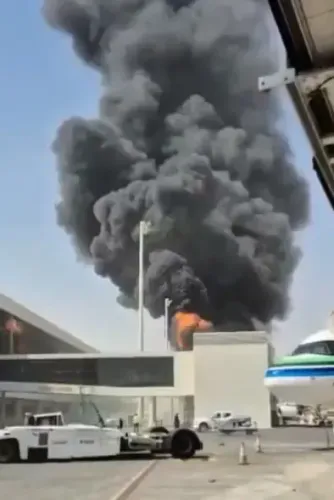
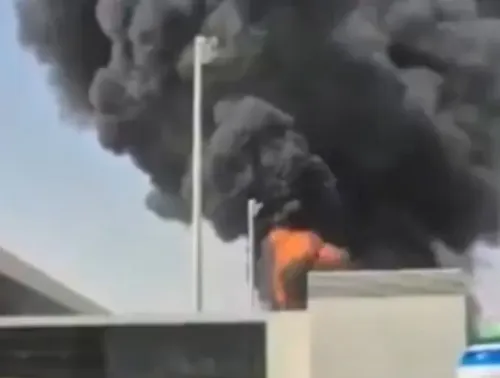
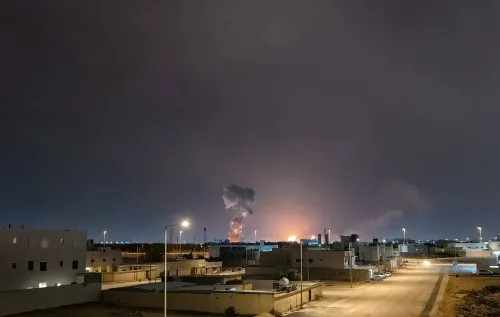
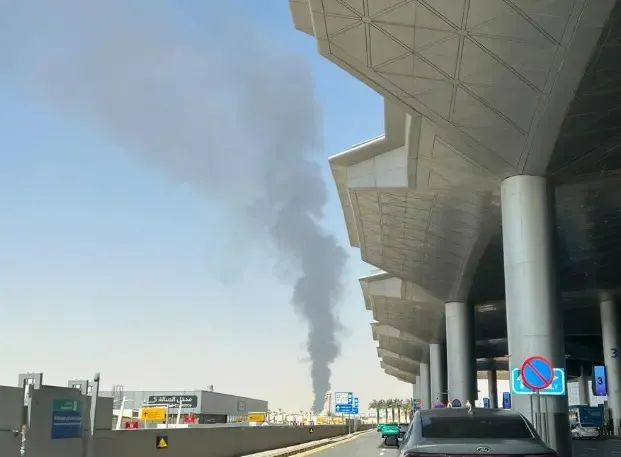
India's MEA on 11 October 2026 condemned the repeated attacks on King Khalid International Airport in Riyadh , calling them 'completely unacceptable.' The Saturday, October 10 attack killed 12 people — 4 Saudi citizens and 8 foreign nationals — and injured 309 others .
Foreign victims included nationals from Bangladesh (2), US , Egypt , Jordan , Syria , Palestine , and Sudan .
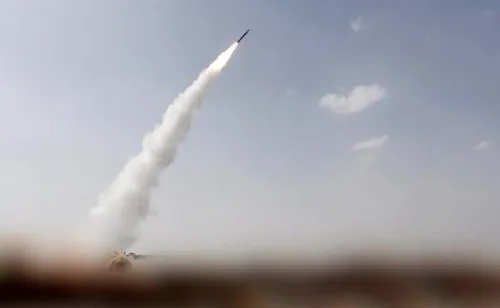
Yemen's Houthi group claimed responsibility; Saudi Arabia retaliated with strikes on Sanaa International Airport and Houthi-held areas.
The Houthis offered 'reciprocal measures' to protect civilian infrastructure from further strikes, signalling a possible limited diplomatic opening.
Airport operations at King Khalid were temporarily suspended for damage assessment and safety checks.
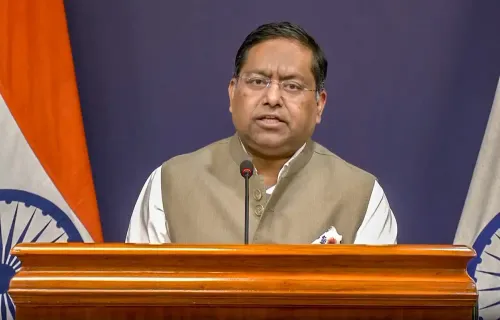
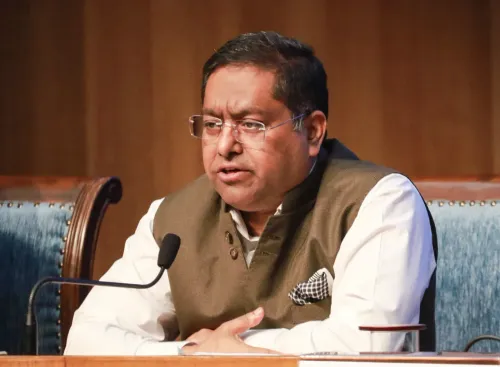
India on Sunday, 11 October 2026 strongly condemned the attack on King Khalid International Airport in the Saudi capital Riyadh, which killed 12 people and left over 300 others injured, calling the strikes on civilians and civilian infrastructure 'completely unacceptable.' New Delhi expressed solidarity with Saudi Arabia in defence of its sovereignty and demanded an immediate cessation of hostilities.
What India Said
The Ministry of External Affairs (MEA) issued a formal statement condemning what it described as 'repeated attacks' on the airport over several days, including the 'dastardly attack on October 10.' The MEA said the strikes had caused 'loss of lives, injuries and damage to property,' and conveyed condolences to the families of the deceased while wishing a speedy recovery to the injured.
'The repeated attacks on civilians and civilian infrastructure are completely unacceptable and must cease immediately,' the MEA statement read. It further added: 'We stand in solidarity with the people and the government of the Kingdom of Saudi Arabia in defence of their sovereignty, and hope that peace and normalcy returns to the region at the earliest.'
Casualties and Nationalities
According to the Saudi General Authority of Civil Aviation, the Saturday afternoon attack on King Khalid International Airport killed 12 people — including four Saudi citizens and eight foreign residents. The foreign victims comprised two Bangladeshis and one national each from the United States, Egypt, Jordan, Syria, Palestine, and Sudan. A total of 309 people were injured, some in serious condition, and are receiving treatment across several hospitals.
The authority confirmed that airport operations were temporarily suspended following the attack, pending damage assessments and safety checks.
The Broader Conflict: Houthis and Saudi Arabia
The strike is part of an escalating exchange of attacks on major airports between Yemen's Houthi group and Saudi Arabia. Following the Saturday assault, the Houthis stated they were ready for 'reciprocal measures' with Saudi Arabia to keep airports, seaports, and other facilities with humanitarian functions outside the military confrontation — a signal that could indicate a willingness to negotiate limited protections even as fighting continues.
Houthi-run al-Masirah TV reported that Saudi Arabia launched a new wave of air and missile strikes across Houthi-held areas in Yemen on Saturday, targeting Sanaa International Airport, areas near the strategic Bab al-Mandeb Strait, and several northern provinces. This comes amid a broader regional escalation that has drawn increasing international concern.
India's Strategic and Diplomatic Stakes
India's swift condemnation underscores its significant interests in the Gulf region. With an estimated 2.5 million Indian nationals residing in Saudi Arabia — one of the largest diaspora communities globally — New Delhi's response reflects both humanitarian concern and strategic diplomacy. This is not the first time India has spoken out against attacks on civilian infrastructure in the region; the MEA has consistently called for de-escalation in Middle Eastern conflicts where Indian lives and livelihoods are at stake.
The attack on a major international hub also raises concerns about aviation safety across the Arabian Peninsula, with airlines and governments monitoring the situation closely.
What Comes Next
Regional and international calls for a ceasefire are expected to grow louder in the coming days. The Houthi group's offer of reciprocal restraint on civilian infrastructure, while conditional, may open a narrow diplomatic window. How Saudi Arabia and its allies respond to both the Houthi proposal and international pressure will shape the near-term trajectory of the conflict.
Point of View
' 'completely unacceptable' — signals that New Delhi is no longer content with carefully balanced neutrality when Indian diaspora lives are directly at risk in a conflict zone. The MEA's explicit solidarity with Saudi sovereignty, without a parallel call for Houthi grievances to be addressed, is a notable diplomatic tilt that reflects the depth of India-Saudi economic and energy ties. What is missing from mainstream coverage is the scale of Indian exposure: over 2.5 million Indian nationals in Saudi Arabia means any further escalation targeting civilian infrastructure carries real consular and humanitarian consequences for New Delhi. The Houthi offer of reciprocal restraint on civilian infrastructure is the most actionable diplomatic signal to emerge from this cycle of strikes — and it deserves more scrutiny than it is receiving.
NationPress
11 Oct 2026
Frequently Asked Questions
What happened at King Khalid International Airport in Riyadh?
Yemen's Houthi group attacked King Khalid International Airport in Riyadh on Saturday, 10 October 2026, killing 12 people and injuring 309 others. The Saudi General Authority of Civil Aviation confirmed the attack and said airport operations were temporarily suspended for damage assessment.
Why did India condemn the Riyadh airport attack?
India's Ministry of External Affairs condemned the attack because strikes on civilian infrastructure and civilian lives are contrary to international norms, and India has significant strategic and humanitarian stakes in Saudi Arabia — home to an estimated 2.5 million Indian nationals. The MEA expressed solidarity with Saudi Arabia's sovereignty and called for an immediate cessation of hostilities.
Who were the victims of the Riyadh airport attack?
The 12 fatalities included four Saudi citizens and eight foreign nationals — two Bangladeshis and one each from the United States, Egypt, Jordan, Syria, Palestine, and Sudan. A total of 309 people were injured, with some in serious condition receiving treatment at multiple hospitals.
How has Saudi Arabia responded to the Houthi attack?
Saudi Arabia launched a new wave of air and missile strikes on Houthi-held areas in Yemen, including Sanaa International Airport, areas near the Bab al-Mandeb Strait, and several northern provinces, according to Houthi-run al-Masirah TV.
What did the Houthis say after the Riyadh airport strike?
Following the Saturday attack, the Houthi group said it was ready for 'reciprocal measures' with Saudi Arabia to keep airports, seaports, and other facilities with humanitarian functions outside the military confrontation — signalling a conditional willingness to limit strikes on civilian infrastructure.