Red Sea crisis: India condemns Houthi drone attack near Mecca, flags Bab el-Mandeb threat
Synopsis
India has issued its sharpest condemnation yet of Houthi attacks, calling the drone strike near Mecca 'particularly concerning' and warning that Red Sea escalation directly threatens freedom of navigation through the Bab el-Mandeb — a chokepoint critical to India's energy imports. The MEA's back-to-back statements, combined with EAM Jaishankar's BRICS-sidelines meeting with the Saudi FM, signal a deliberate diplomatic escalation by New Delhi.
Key Takeaways
MEA spokesperson Randhir Jaiswal on 18 September 2026 called Houthi attacks on Saudi Arabia 'unacceptable' and 'deeply concerning.' Royal Saudi Air Defence Forces intercepted a Houthi drone before it entered the prohibited airspace of Mecca on Tuesday.
India warned that escalation threatens freedom of navigation through the Bab el-Mandeb strait , a key route for India's energy imports.
External Affairs Minister S.
Jaishankar discussed the Houthi threat with the Saudi Foreign Minister on the sidelines of the BRICS Summit .
India has issued at least two consecutive briefings this week condemning attacks on Saudi sovereign territory, including civilian infrastructure and economic assets.
India on Friday, 18 September 2026, reiterated its 'deep concern' over the worsening security situation in the Red Sea region and strongly condemned the attempted drone attack on Mecca, Saudi Arabia's holiest city, warning that such incidents threaten both regional stability and the critical freedom of navigation through the Bab el-Mandeb strait. The statement was made by Ministry of External Affairs (MEA) spokesperson Randhir Jaiswal at a bi-weekly press briefing in New Delhi.
India's Condemnation: What the MEA Said
Jaiswal described the attacks as 'unacceptable', calling for an immediate return to peace and stability. 'We are deeply concerned about the escalation in the security situation in the Red Sea area. We have expressed our condemnation of the attacks on Saudi sovereign territory, including on civilians and economic assets,' he said.
On the Mecca drone incident specifically, Jaiswal said the episode was 'particularly concerning, given the special significance of the city to Muslims across the world.' India's statement stressed that such attacks 'vitiate the regional security situation' and 'undermine regional peace and security.'
The Drone Attack on Mecca: What Happened
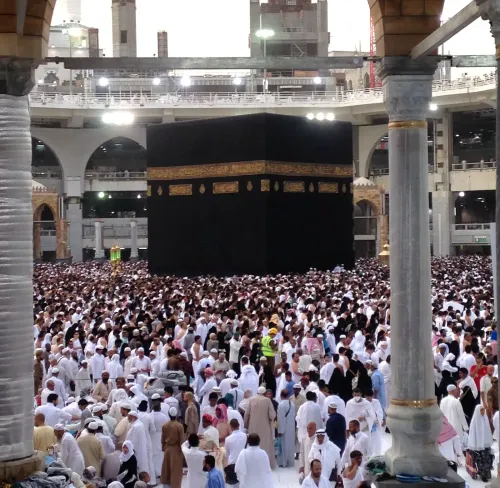
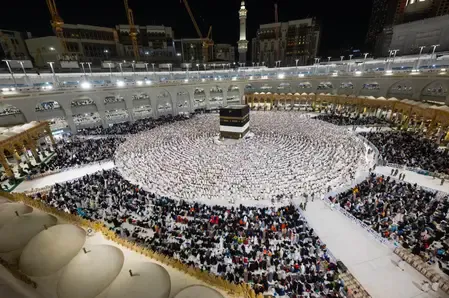
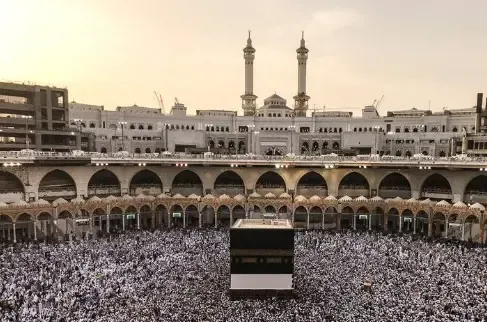
According to reports, Royal Saudi Air Defence Forces intercepted and destroyed a hostile drone launched by Yemen's Houthi group before it entered the prohibited airspace of Mecca on Tuesday. The attempted strike drew swift international condemnation given the city's immense religious significance to 1.8 billion Muslims worldwide.
This incident is the latest in an escalating pattern of Houthi attacks on Saudi territory, targeting civilian infrastructure and economic assets. The Bab el-Mandeb strait — a narrow chokepoint between Yemen and Djibouti — remains one of the world's most vital shipping lanes, carrying a significant share of global energy trade.
Jaishankar-Saudi FM Meeting at BRICS
The MEA's Friday statement follows an earlier briefing on Tuesday, when Jaiswal disclosed that External Affairs Minister S. Jaishankar had met with the Saudi Foreign Minister on the sidelines of the BRICS Summit. The two ministers discussed regional and international developments, including the Houthi threat and its impact on the Red Sea security environment.
'Such attacks undermine regional stability and threaten freedom of navigation through the Bab-el-Mandeb Strait. These actions are obviously unacceptable to us,' Jaiswal had said on Tuesday, also acknowledging India's energy dependence on the Gulf region: 'We continue to receive energy supplies from that part of the world.'
Why This Matters for India
India has a direct strategic and economic stake in the Red Sea's stability. A significant portion of India's crude oil imports transits through the Bab el-Mandeb, and disruptions to this corridor have direct consequences for domestic fuel prices and energy security. Indian-flagged vessels and shipping companies have also faced threats in the region in recent months.
Notably, this is among the most direct and forceful positions New Delhi has taken on the Houthi conflict, signalling a shift from careful diplomatic hedging to explicit condemnation — a posture consistent with India's growing strategic alignment with Gulf partners and its G20-era push to secure global trade routes.
What Comes Next
With the Houthi threat showing no signs of abating and Saudi Arabia continuing to face attacks on its sovereign territory, regional observers expect further diplomatic consultations. India's back-to-back statements — and the Jaishankar-Saudi FM bilateral — suggest New Delhi is actively working through diplomatic channels to press for de-escalation. Whether the Houthis respond to international pressure or intensify their campaign will determine the next phase of the crisis.
Point of View
Balancing ties with Iran (a Houthi backer) against its deepening strategic and energy partnership with Saudi Arabia. The Mecca drone attack appears to have changed the calculus: attacking Islam's holiest city raises stakes that go beyond geopolitics. But India's condemnation also has a hard economic edge — the Bab el-Mandeb carries crude that keeps India's refineries running. What's missing from the public statements is any indication of what India is prepared to do beyond words, and whether the Jaishankar-Saudi FM meeting produced any concrete commitments on maritime security cooperation.
NationPress
18 Sept 2026
Frequently Asked Questions
What did India's MEA say about the Houthi attack near Mecca?
India's MEA spokesperson Randhir Jaiswal called the drone attack near Mecca 'particularly concerning' given the city's special religious significance to Muslims worldwide. He reiterated India's condemnation of all attacks on Saudi sovereign territory and called for the early restoration of peace and stability in the region.
What happened in the Houthi drone attack on Mecca?
Royal Saudi Air Defence Forces intercepted and destroyed a Houthi-launched hostile drone before it could enter the prohibited airspace of Mecca on Tuesday. The attempted strike was widely condemned internationally given Mecca's status as Islam's holiest city.
Why is the Red Sea crisis significant for India?
India depends heavily on the Red Sea corridor and the Bab el-Mandeb strait for its crude oil imports from the Gulf. Any disruption to shipping through this chokepoint directly affects India's energy security and domestic fuel prices, making the region's stability a core national interest.
Did EAM Jaishankar discuss the Red Sea situation with Saudi Arabia?
Yes. External Affairs Minister S. Jaishankar met with the Saudi Foreign Minister on the sidelines of the BRICS Summit, where regional developments including the Houthi threat and attacks on Saudi Arabia were discussed, according to the MEA.
What is the Bab el-Mandeb strait and why does it matter?
The Bab el-Mandeb is a narrow maritime chokepoint between Yemen and Djibouti connecting the Red Sea to the Gulf of Aden and the Indian Ocean. It is one of the world's most critical shipping lanes for global energy trade, including a significant share of India's oil imports from the Gulf region.