India backs free navigation in Bab al-Mandab as Houthis target Saudi tankers
Synopsis
India's MEA has drawn a clear line: freedom of navigation in the Bab al-Mandab Strait is non-negotiable under international law. The statement arrives as Houthis strike two Saudi oil tankers with missiles and drones — while insisting the strait itself remains open. With global energy flows at stake, the diplomatic and commercial pressure on this narrow chokepoint is intensifying fast.
Key Takeaways
MEA spokesperson Randhir Jaiswal on 24 July reaffirmed India's position that navigation rights through international waterways must be protected under international law.
Houthi spokesperson Mohammed Abdul-Salam denied a full closure of the Bab al-Mandab Strait , saying restrictions target only Saudi -linked vessels.
The Houthi group announced a maritime ban on Saudi-linked shipping on Monday , citing what it called Riyadh 's blockade of Houthi-controlled areas.
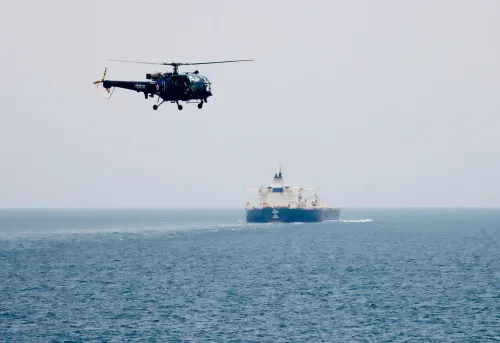
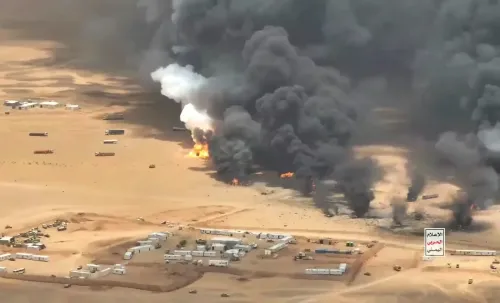
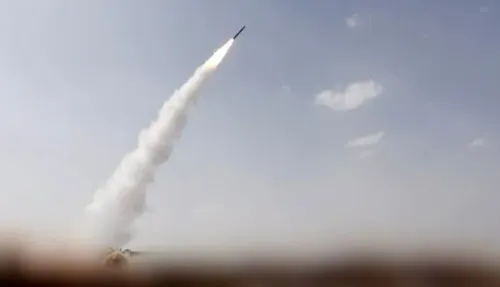
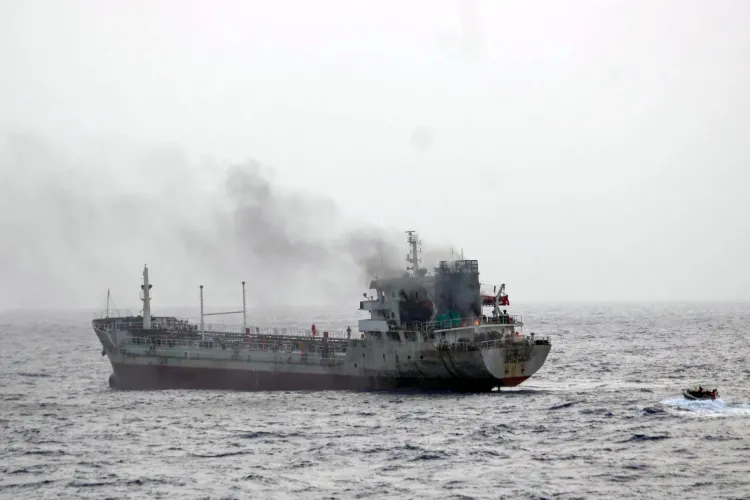
On Thursday , Houthi forces reportedly struck two Saudi oil tankers — ENCELIA and LAYLA — using ballistic missiles, cruise missiles, and drones in the Red Sea .
The Bab al-Mandab Strait carries an estimated 6 million barrels of oil daily, making disruptions a direct threat to global energy security.
India's Ministry of External Affairs (MEA) on Friday, 24 July reaffirmed that freedom of navigation through international waterways must be upheld under international law, as Yemen's Houthi group escalated its maritime campaign against Saudi Arabia-linked shipping in the Bab al-Mandab Strait. The statement came amid rising concern over disruptions to one of the world's most critical shipping chokepoints.
India's Position on Maritime Freedom
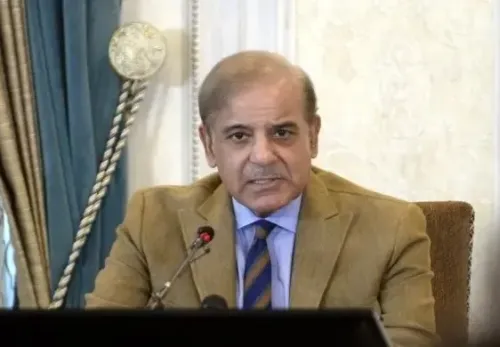
MEA spokesperson Randhir Jaiswal, speaking at a media briefing in New Delhi, stressed that commercial shipping rights must be protected. 'When it comes to the passage of commercial shipping or right of navigation, we continue to stress that it's important that right of navigation be allowed through international waterways as per international law,' Jaiswal said. He added that the issue bears directly on 'global shipping, economic security of the world and the energy security of the global community.'
Jaiswal's remarks came in direct response to a question about the Bab al-Mandab Strait situation and Houthi threats to block vessels linked to Saudi Arabia. India, as a major maritime trading nation and energy importer, has a significant stake in the strait's stability — it is a key corridor for Gulf oil exports heading to Asian markets.
Houthis Deny Full Strait Closure
Also on Friday, Mohammed Abdul-Salam, the Houthi group's chief negotiator and spokesperson, pushed back against reports that the strait had been shut entirely. In a statement posted on social media platform X, Abdul-Salam said: 'There is no closure of Bab al-Mandab as some are promoting,' describing the measures as 'only affecting the Saudi side.'
According to Abdul-Salam, the maritime restrictions are a direct response to what the group characterises as a Saudi-led 'siege' on Houthi-controlled Yemeni territories, and are intended to guarantee 'the security, sovereignty and independence of the Yemeni people.'
Houthi Maritime Ban and Tanker Strikes
On Monday, the Houthi group formally announced a maritime ban on Saudi-linked shipping, citing what it called Riyadh's prolonged blockade of areas under Houthi control. By Thursday, the group said it had carried out a military operation targeting two Saudi oil tankers in the Red Sea, claiming both vessels had violated the embargo.
Houthi military spokesman Yahya Sarea, in a statement aired by the group's Al-Masirah television, said forces targeted the tankers — identified as ENCELIA and LAYLA — using 'ballistic and cruise missiles, as well as drones.' Sarea claimed the strikes caused fires to engulf both vessels and had 'successfully achieved their objectives.' These claims have not been independently verified.
Why the Bab al-Mandab Strait Matters
The Bab al-Mandab Strait, a narrow waterway between Yemen and Djibouti, connects the Red Sea to the Gulf of Aden and is one of the world's busiest maritime corridors. Roughly 6 million barrels of oil transit the strait daily, making any disruption a direct threat to global energy supply chains. This is not the first time Houthi activity has rattled shipping in the region — the group has previously targeted commercial vessels in the Red Sea, drawing international condemnation and naval responses.
With India's energy imports significantly reliant on Gulf crude, and with Indian-flagged and Indian-crewed vessels regularly transiting the corridor, New Delhi's reiteration of navigation rights carries both diplomatic and economic weight. How the situation evolves in the coming days will be closely watched by shipping insurers, energy markets, and regional powers alike.
Point of View
Yet the message is unmistakable. What mainstream coverage underplays is the energy-security dimension for India specifically: Gulf crude transiting this strait is not an abstraction, it is the lifeblood of Indian refineries. The Houthi framing of their blockade as a bilateral Saudi matter does not hold up against the reality that missiles targeting commercial tankers affect every nation whose ships use the Red Sea. The deeper risk is escalation creep — each strike normalises the next, and the absence of a credible international deterrent in the strait is becoming harder to ignore.
NationPress
23 Oct 2026
Frequently Asked Questions
What is India's position on the Bab al-Mandab Strait situation?
India's Ministry of External Affairs reaffirmed on 24 July that freedom of navigation through international waterways must be upheld under international law. MEA spokesperson Randhir Jaiswal said the right of passage is critical for global shipping, economic security, and energy security.
Have the Houthis closed the Bab al-Mandab Strait?
No, according to Houthi spokesperson Mohammed Abdul-Salam, the strait has not been closed. In a post on X, he stated that the group's maritime measures are 'only affecting the Saudi side' and are not a blanket closure of the waterway.
Why did the Houthis target Saudi oil tankers in the Red Sea?
The Houthis say their maritime ban on Saudi-linked shipping is a response to what they describe as a prolonged Saudi-led blockade of Houthi-controlled areas in Yemen. They claim the tankers ENCELIA and LAYLA violated this embargo and were struck with missiles and drones on Thursday.
Which tankers were targeted and how?
The two vessels targeted were identified as ENCELIA and LAYLA. Houthi military spokesman Yahya Sarea said forces used ballistic missiles, cruise missiles, and drones in the strikes, claiming both tankers caught fire. These claims have not been independently verified.
Why does the Bab al-Mandab Strait matter for India?
The Bab al-Mandab Strait is a critical chokepoint connecting the Red Sea to the Gulf of Aden, through which an estimated 6 million barrels of oil transit daily. India is a major importer of Gulf crude, and disruptions to this corridor directly affect its energy security and shipping costs.