Pakistan torn between military power and restraint as Bab el-Mandeb tensions rise
Synopsis
Pakistan possesses one of the Muslim world's most powerful militaries — yet it is again choosing caution over commitment. With Saudi Arabia reportedly planning a major offensive to retake the Bab el-Mandeb Strait and the new Mecca Joint Defence Pact creating fresh obligations, Islamabad's balancing act between Riyadh and Tehran has never been more exposed.
Key Takeaways
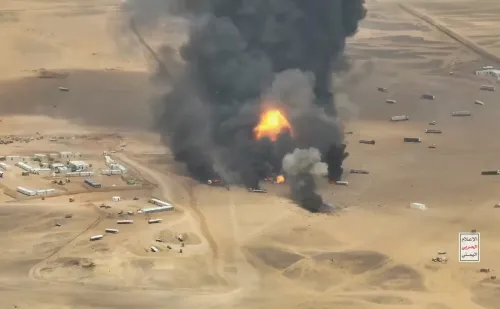
Saudi Arabia is reportedly weighing a military offensive to retake the Bab el-Mandeb Strait from Yemen's Houthi movement , with American intelligence assistance.
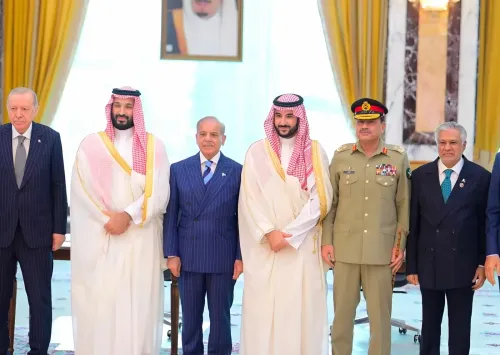
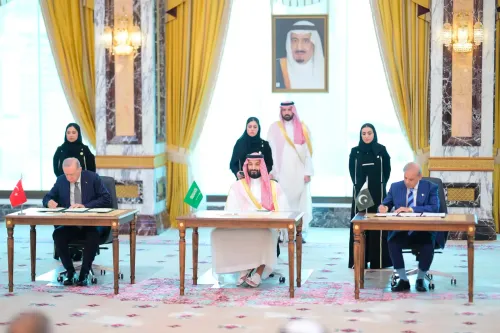
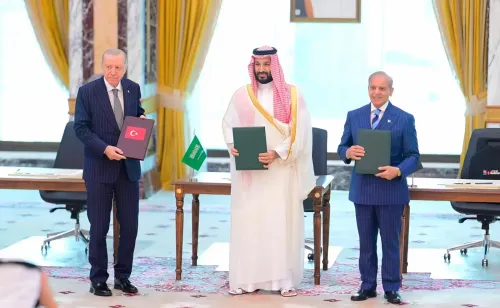
Pakistan is a signatory to the trilateral Mecca Joint Defence Agreement alongside Saudi Arabia and Turkey , but maintains the pact does not automatically trigger military action.
Foreign Minister Ishaq Dar has signalled that diplomatic options, including political engagement with the Houthis, remain under consideration.
In 2015 , Pakistan declined direct participation in the Saudi -led Yemen campaign despite significant regional pressure.
Islamabad's calculus is shaped by its shared border with Iran , energy ties, and the risk of being drawn into a prolonged Middle Eastern conflict.
Pakistan's strategic choices on Yemen are expected to remain a closely watched variable in West Asia's security landscape.
Pakistan finds itself once again navigating a familiar strategic tightrope as Saudi Arabia reportedly weighs a major military offensive to retake the Bab el-Mandeb Strait from Yemen's Houthi movement — forcing Islamabad to weigh alliance obligations against domestic pressures, border sensitivities, and the risk of being drawn into yet another Middle Eastern conflict.
Pakistan's Strategic Dilemma
Despite commanding one of the Muslim world's most capable armed forces — with significant conventional strength, an active drone programme, and nuclear deterrence — Pakistan has historically demonstrated marked caution when confronted with conflicts that could expand into wider regional confrontations. This pattern is not new: in 2015, Islamabad declined direct participation in the Saudi-led military campaign in Yemen, effectively ending Riyadh's hopes of substantial Pakistani military support against the Iran-aligned Houthis.
According to reports, that decision was driven by concerns that involvement would entangle Pakistan in a prolonged conflict while simultaneously complicating its relations with Iran — a country with which it shares a sensitive and strategically important border. Those same concerns remain acutely relevant today.
The Mecca Joint Defence Agreement Factor
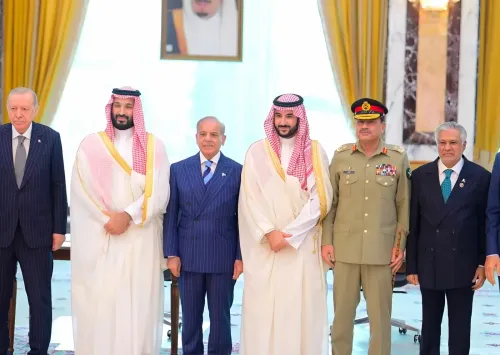
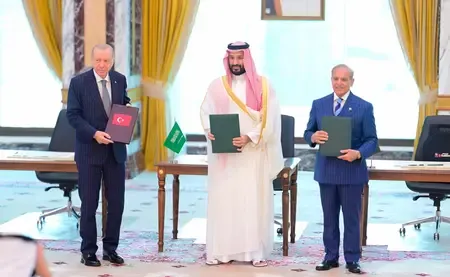
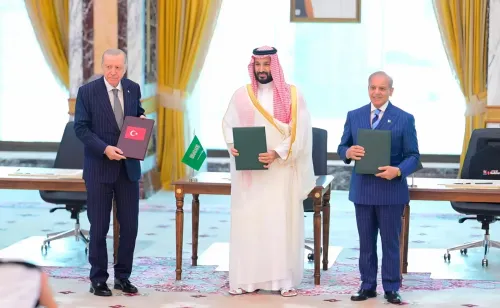
The recent signing of the trilateral Mecca Joint Defence Agreement — committing Saudi Arabia, Turkey, and Pakistan to enhanced security cooperation and mutual consultation — has added a new layer of complexity. The pact stipulates that any attack on one signatory will be treated as an attack on all, drawing comparisons to NATO's collective defence clause.
However, Islamabad has been careful to emphasise that the agreement remains in an early institutional phase and does not automatically mandate immediate military action. Remarks by Pakistan's Foreign Minister Ishaq Dar suggest that member states are still actively considering diplomatic channels, including political engagement with the Houthis, even as reports emerge of Riyadh's military preparations involving large Yemeni formations supported by Saudi air power and American intelligence assistance.
The Iran Equation
Pakistan's security establishment cannot view developments in Yemen solely through the lens of alliance politics. Islamabad must simultaneously weigh border stability with Iran, bilateral energy cooperation, and trade interests. Any military role perceived as directly targeting a group closely associated with Tehran risks generating consequences that could compound Pakistan's existing political and economic difficulties, according to analysts.
This is the central contradiction in Pakistan's position: its alliance architecture pulls it toward Riyadh, while its geography and economic dependencies pull it toward caution on Iran.
Riyadh's Expectations and the Bab el-Mandeb Stakes
The Bab el-Mandeb Strait has grown increasingly significant amid wider regional disruptions affecting maritime commerce and global energy flows. Reports indicate that Saudi officials believe meaningful negotiations with the Houthis may be impossible while the group retains control of the strategic chokepoint.
Should a Saudi-backed offensive achieve early successes, pressure on Pakistan to provide expanded logistical, intelligence, or defensive support is expected to grow — even if direct combat participation remains off the table. Notably, even such limited involvement would represent a materially deeper level of engagement than Islamabad has thus far accepted.
What Comes Next
Islamabad appears to have calculated that entering the conflict would impose military, political, and diplomatic costs disproportionate to any immediate strategic gains. It continues to walk a delicate line — projecting itself as a reliable security partner to Saudi Arabia while avoiding a direct confrontation with Iran, and seeking to consolidate the new Mecca defence framework without being drawn into another Middle Eastern war.
If the conflict in Yemen escalates further, Pakistan's strategic choices — and the consequences of continued hesitation — are likely to remain among the most closely watched developments in West Asia's evolving security landscape.
Point of View
But without a credible enforcement mechanism, it risks becoming a pact that satisfies no one: too binding for Islamabad's Iran calculations, too toothless for Riyadh's actual security needs. The deeper problem is structural: Pakistan's military capability and its diplomatic bandwidth have long been misaligned, with Islamabad consistently overcommitting on paper and underdelivering in practice. If the Bab el-Mandeb offensive materialises and Pakistan again sits it out, the credibility of the entire Mecca framework — and Pakistan's standing as a serious regional security actor — will face a genuine test.
NationPress
3 Oct 2026
Frequently Asked Questions
Why is Pakistan reluctant to join a Saudi military offensive in Yemen?
Pakistan fears that direct military involvement would entangle it in a prolonged conflict while straining its relationship with Iran, with which it shares a border and maintains energy and trade ties. Islamabad also faces significant domestic political and economic pressures that constrain its foreign military commitments.
What is the Mecca Joint Defence Agreement?
The Mecca Joint Defence Agreement is a trilateral security pact signed by Saudi Arabia, Turkey, and Pakistan, committing the three countries to enhanced security cooperation and mutual consultation, with a clause stating that an attack on one will be treated as an attack on all. Pakistan has clarified that the agreement is in an early institutional phase and does not automatically mandate immediate military action.
What is the strategic significance of the Bab el-Mandeb Strait?
The Bab el-Mandeb Strait is a critical maritime chokepoint linking the Red Sea to the Gulf of Aden, through which significant volumes of global trade and energy shipments pass. Saudi Arabia reportedly views retaking it from Houthi control as a strategic necessity, particularly given wider regional disruptions to maritime commerce.
Has Pakistan previously refused to participate in Saudi-led military operations?
Yes. In 2015, Pakistan's parliament voted against direct participation in the Saudi-led military coalition in Yemen, despite considerable pressure from regional partners. That decision effectively ended Riyadh's expectations of substantial Pakistani military support in that campaign.
What has Pakistan's Foreign Minister said about the current Yemen situation?
Foreign Minister Ishaq Dar has indicated that members of the Mecca Joint Defence Agreement are still weighing diplomatic options, including political engagement with the Houthis, even as reports of Saudi military preparations have emerged. His remarks reflect Islamabad's effort to signal solidarity with Riyadh without committing to direct military involvement.